Table of Contents
ToggleOmaha’s real estate market is shifting, and tiny homes are capturing serious attention from buyers looking for affordability, sustainability, and freedom from sprawling mortgages. Whether you’re a first-time homeowner, downsizing empty-nester, or someone seeking a lower cost of living in Nebraska’s largest metro area, the tiny home movement is no longer just a trend, it’s a practical housing solution. This guide walks you through everything you need to know about tiny homes for sale in Omaha: market trends, where to find them, zoning regulations, and what to expect before you buy.
Key Takeaways
- Tiny homes for sale in Omaha range from $150,000 to $350,000, offering first-time buyers and downsizers an affordable alternative to traditional houses priced at $300,000–$500,000.
- Omaha’s zoning ordinances historically require 500+ square feet on single-family lots, so verify compliance with the City Planning Department before purchasing to avoid fines or forced removal.
- Current tiny home inventory in Omaha sits at 50–80 active listings, primarily concentrated in Benson, Dundee, Midtown, and South Omaha with increased availability in spring and early summer.
- Renovation costs for tiny homes are significantly lower than traditional homes—expect flooring upgrades at $1,050–$2,800 and kitchen remodels at $8,000–$15,000 instead of $50,000+.
- FHA and conventional financing are increasingly available for tiny homes, though some lenders still require square footage waivers; credit unions like Mutual of Omaha Bank often provide more flexible terms.
- Tiny homes in Omaha appeal to diverse buyers seeking sustainability, lower utility bills, reduced property taxes, and faster paths to homeownership without sprawling mortgages.
Why Tiny Homes Are Gaining Popularity in Omaha
Omaha’s affordability compared to coastal metros, combined with rising construction costs, has made tiny homes an attractive alternative. A standard suburban house in many Omaha neighborhoods now runs $300,000–$500,000, but a quality tiny home can cost half that or less.
Beyond price, buyers are drawn to the sustainability angle. Smaller living spaces mean lower utility bills, less waste, and a lighter environmental footprint. Many Omaha buyers also value the simplicity, fewer rooms to maintain, lower property taxes, and the psychological freedom of owning a home outright faster.
The demographic is diverse. Millennials seek affordability: retirees want low-maintenance living: and young families appreciate the financial flexibility to invest elsewhere. Omaha’s tech and healthcare job growth means professionals are staying in the city and choosing compact housing as a way to be urban-adjacent without the urban price tag.
Tiny Homes for Beginners explores this shift in detail, showing how the tiny home movement reshapes housing priorities for modern buyers.
Current Tiny Home Market in Omaha
Price Range and Availability
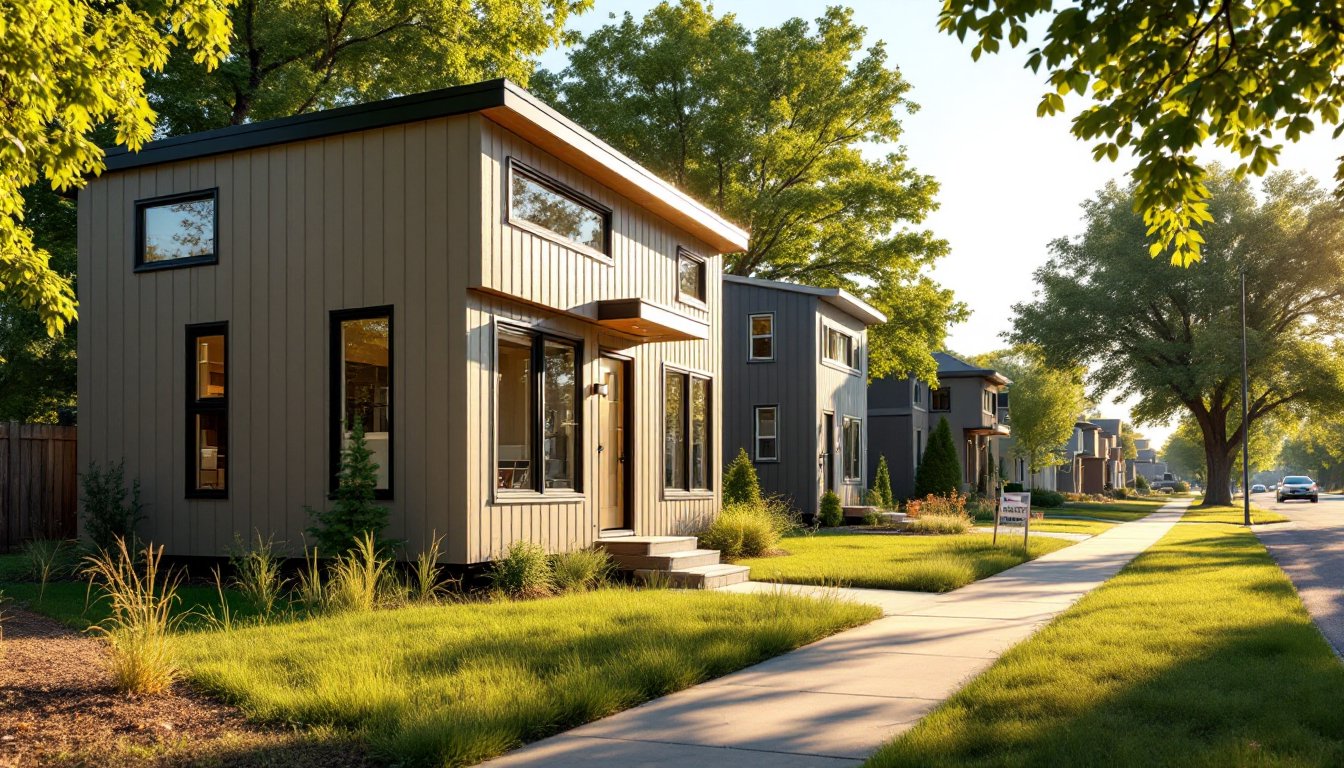
As of early 2026, Omaha’s tiny home inventory sits at roughly 50–80 active listings, a notable increase from 2023. Most are single-family units in Benson, Dundee, Midtown, and South Omaha neighborhoods, areas with good walkability and community amenities.
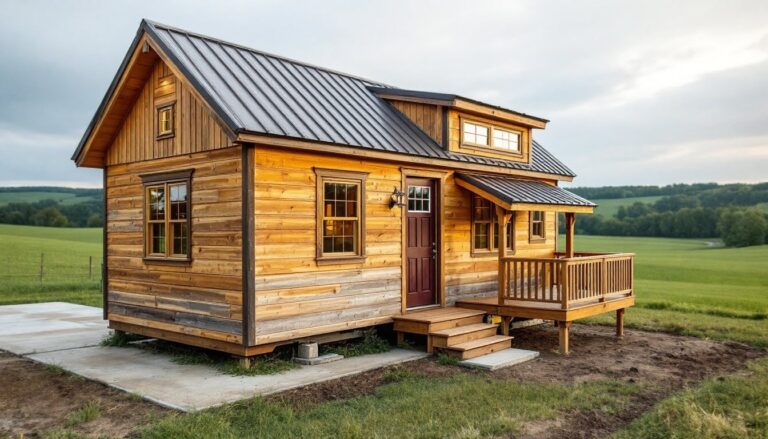
Prices range from $150,000 to $350,000 depending on size, finishes, and location. A 350-square-foot, move-in-ready home typically runs $200,000–$250,000. Custom-built units with premium materials or unique designs can exceed $300,000. Used or bank-owned tiny homes occasionally appear at lower price points but often need work.
Availability fluctuates seasonally. Spring and early summer see the most listings: winter months are slower. Interest rates and local employment trends also affect demand. Tiny Home Reviews: Discover provides detailed breakdowns of current market leaders and design standards.
FHA and conventional loans are increasingly available for tiny homes, though some lenders still require minimum square footage waivers. Credit unions like Omaha-based Mutual of Omaha Bank often offer more flexible terms than national banks.
Where to Find Tiny Homes for Sale in Omaha
MLS and Real Estate Websites: Realtor.com, Zillow, and Redfin allow you to filter by square footage and price in Omaha and metro areas. Use search terms like “tiny home,” “small home,” or set filters for homes under 500 square feet.
Local Omaha Real Estate Agents: Agents familiar with tiny homes can alert you to pocket listings and upcoming inventory. Ask specifically for agents with experience in compact housing: not all realtors understand the segment well.
Tiny Home Builders and Communities: Companies like Tiny Homes Omaha and Prairie Tiny Homes operate in the greater Omaha area and offer semi-custom and custom builds. Lead time is typically 6–12 months, but you control the design.
Craigslist and Facebook Marketplace: Owner-financed and private sales pop up here regularly. vet carefully, confirm title, ask for inspections, and avoid cash deals without proper documentation.
Online Tiny Home Marketplaces: Tinypad and Tiny Home Hub list inventory across the region, though you’ll still need local real estate support to close.
Tiny Homes Strategies: Smart Approaches for Small Space Living covers how to evaluate options and navigate the buying process efficiently.
Key Considerations Before Buying a Tiny Home
Zoning Laws and Regulations in Omaha
This is critical. Omaha’s zoning ordinances historically restrict residential dwelling units to a minimum of 500 square feet on single-family lots. That means a 350-square-foot home may technically be non-compliant if the property is zoned single-family residential (R-1 or R-2).
But, the city has been gradually softening restrictions. Properties zoned R-3 (multi-family) or in areas that have adopted ADU (Accessory Dwelling Unit) ordinances may allow tiny homes. Some neighborhoods, Benson and North Omaha in particular, have more flexible interpretations.
Before you make an offer, always:
- Ask the listing agent or seller if the property and home configuration are zoned-compliant
- Contact the City of Omaha Planning Department to confirm current zoning
- Request a certificate of occupancy or legal non-conforming status if already built
- Check if the home is deed-restricted (some older properties have restrictions that predated the tiny home movement)
Violations can result in fines, forced removal, or inability to insure the property. It’s not common, but it happens. If you’re buying a non-compliant home, factor in the cost of potential future rezoning or legal fees.
Financing challenges: Some lenders won’t finance homes below certain square footage minimums, and some title companies flag non-compliant properties. Confirm financing and insurance feasibility before contracting.
Tiny Homes Tips: Essential Advice for Small Space Living addresses common pitfalls and compliance shortcuts many buyers overlook. Per ImproveNet, homeowners who skip code verification often face costly surprise expenses after purchase.
Customization and Renovation Opportunities
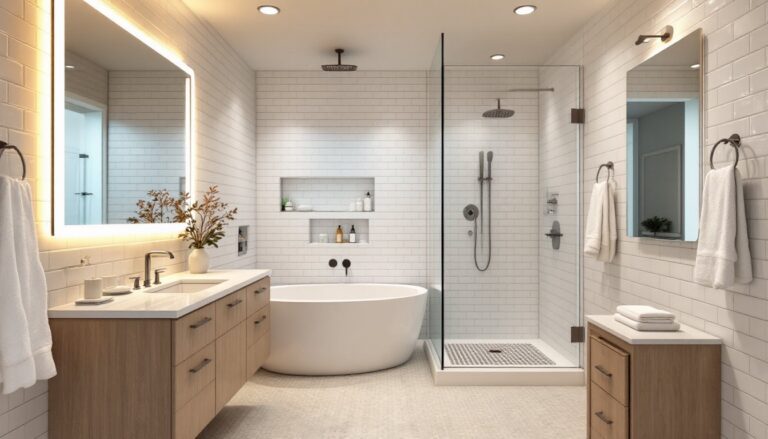
One of the best aspects of tiny home ownership is the ability to fully customize a space affordably. Whether you’re buying a shell, a used unit, or a half-finished project, renovation costs are manageable because the total square footage is small.
Common upgrades:
- Flooring: Luxury vinyl plank (LVP) or engineered hardwood runs $3–$8 per square foot installed: for a 350-sq-ft home, expect $1,050–$2,800
- Kitchen: A full kitchen remodel in a tiny home ranges $8,000–$15,000 (vs. $50,000+ in a traditional home)
- Insulation and HVAC: If upgrading for energy efficiency, spray foam insulation and a high-efficiency mini-split heat pump cost $5,000–$10,000 total
- Custom storage: Built-in shelving, lofted bedrooms, and murphy beds transform utility and add value
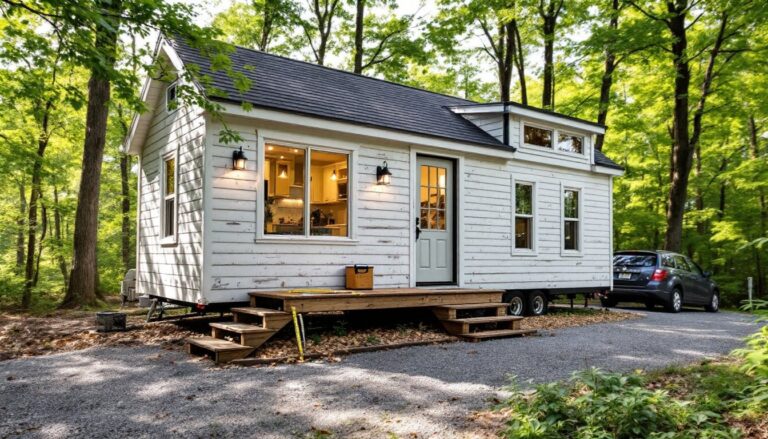
Sourcing materials: Home Depot, Lowe’s, and local salvage yards all stock materials suitable for tiny spaces. Reclaimed wood and reclaimed fixtures add character without inflating costs. Tiny House on Wheels: showcases renovation examples and cost-effective design strategies.
Working with contractors: Not all contractors are comfortable with tiny home projects. Find someone with experience in compact spaces: they’ll maximize efficiency and avoid costly mistakes. Per Angi, tiny home renovations take 8–16 weeks on average, versus 12–20 weeks for standard homes, since there’s simply less square footage to cover.
Permits: Most renovation work in Omaha requires permits if it involves electrical, plumbing, structural changes, or windows. Budget $500–$2,000 for permit fees and inspections depending on scope. It’s not optional, skip it and you risk title issues at resale.