Table of Contents
ToggleAmish-built tiny homes represent a unique intersection of craftsmanship, practicality, and affordability. Unlike mass-produced alternatives, these structures are constructed by hand using time-tested building methods that prioritize durability over shortcuts. If you’re searching for “Amish tiny homes for sale near me,” you’re likely drawn to the solid construction, customizable design, and lower price point compared to factory-built options. Understanding where to find these homes, what makes them special, and how to evaluate your options will help you make an well-informed choice whether an Amish tiny home is the right fit for your lifestyle and budget.
Key Takeaways
- Amish tiny homes for sale are hand-built using traditional carpentry techniques with 2×6+ wall framing and quality materials, typically lasting 50+ years with superior craftsmanship compared to factory-built alternatives.
- Search online real estate platforms like Zillow and specialized marketplaces like Tiny House Listings, plus Facebook groups and direct builder contact in PA, OH, IN, MI, and NC where Amish building traditions are strongest.
- Expect to pay $30,000–$60,000 for a complete Amish tiny home, but budget an additional 15–20% for hidden costs like foundation work, utility hookups, and site preparation.
- Customize your home’s layout, materials, and finishes with Amish builders, though build timelines extend 8–16 weeks and require hands-on involvement compared to prefab options.
- Inspect completed projects in person, verify material specifications in writing, confirm local zoning permits tiny homes, and request builder references before committing to ensure you’re getting true quality and legal compliance.
- Visit local dealers with display models to assess construction quality firsthand and leverage word-of-mouth recommendations within Amish communities for the most reliable builder partnerships.
What Makes Amish Tiny Homes Unique
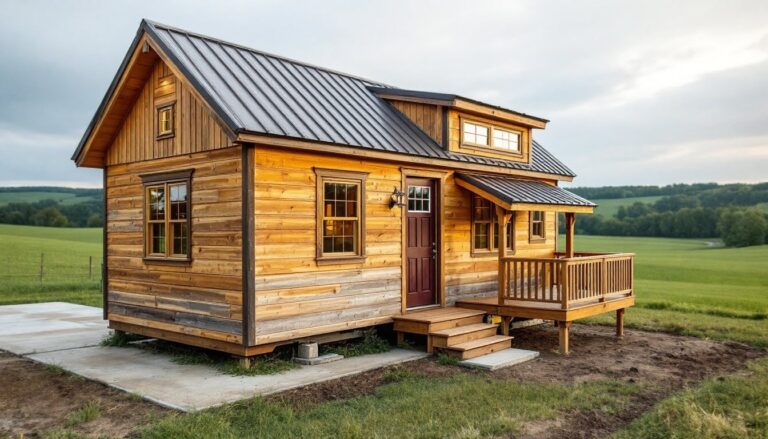
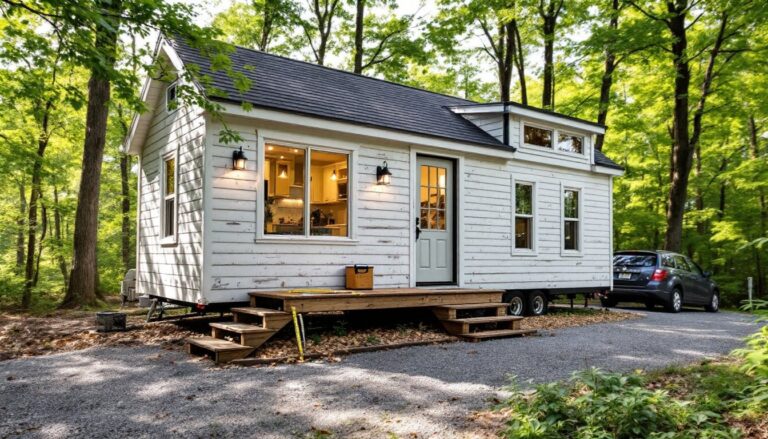
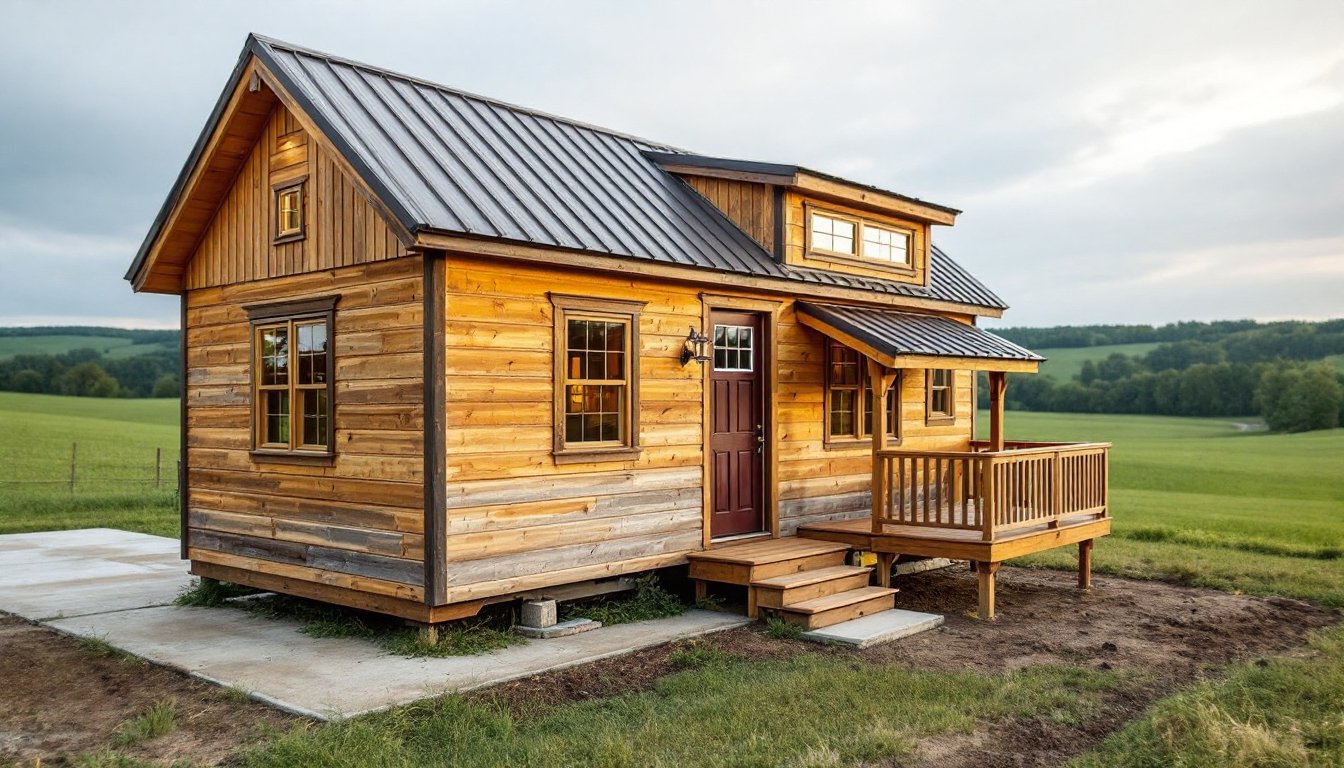
Amish tiny homes stand apart from conventional prefab and manufactured options due to their construction philosophy and execution. Amish builders rely on traditional carpentry techniques, solid lumber framing, and attention to detail that you simply won’t find in assembly-line production. Most Amish-built tiny homes feature 2×6 or thicker wall framing for superior insulation, full hardwood subfloors, and hand-finished interior details.
These homes are typically built to last 50+ years with proper maintenance. The use of quality materials, real wood siding, metal roofing, and solid joinery, means fewer callbacks and repairs down the road. Many buyers report that Amish tiny homes hold their resale value better than factory-built alternatives, partly because the hand-crafted reputation is strong and partly because the bones are genuinely better.
Another key difference is customization. Amish builders will work with you on layout, materials, and finishes in ways that large manufacturers simply can’t. Want a different roof pitch, custom cabinetry, or specific window placement? That’s possible. This flexibility means your home reflects your actual needs rather than a generic floor plan. The downside is a longer build timeline, expect 8–16 weeks for completion, and you’ll need to be hands-on during the design process. Real estate platforms like Curbed frequently highlight the resale appeal of well-built custom tiny homes, and Amish construction consistently earns praise in that space.
Where To Find Amish Tiny Homes For Sale Near You
Online Marketplaces And Real Estate Platforms
Your first stop should be mainstream real estate sites with robust filtering options. Zillow, Realtor.com, and Trulia all allow you to search by home size, and many listings will specifically mention Amish-built construction. You can filter by location and square footage to narrow results. The advantage here is transparency, photos, property records, and inspection reports are often available upfront.
Specialized marketplaces focused on alternative housing have emerged in recent years. Tiny House Listings and The Tiny Life marketplace catalog available tiny homes by builder and region. Facebook groups dedicated to tiny homes are another goldmine: search “Amish tiny homes [your state]” and you’ll find active communities where people post local listings and builder recommendations. These groups often include buyer reviews and direct connections to builders.
Craigslist and Facebook Marketplace require more vetting but can surface deals. Always verify credentials, ask for builder references, and request to see completed projects before committing.
Direct Builder Networks And Local Dealers
The best way to find Amish tiny homes is often the old-fashioned way: calling local dealers and builders directly. Amish communities tend to cluster in specific regions, Pennsylvania, Ohio, Indiana, Michigan, and North Carolina have particularly strong tiny home building traditions. Research builders in your desired state, then contact them or their authorized dealers.
Buyers interested in understanding financing should explore Tiny House Mortgage financing options, as many Amish builders work with lenders who specialize in alternative housing. Local dealers often have display models on-site, which lets you walk through a finished home and see construction quality firsthand. This in-person inspection is invaluable, you’ll spot craftsmanship details, assess storage solutions, and get a real sense of proportions.
Word-of-mouth is powerful in Amish communities. If you have a referral or know someone who bought from a specific builder, that’s your golden ticket. Builders who rely on reputation (which most Amish do) will bend over backward to deliver on promises. Ask the builder for client references and follow up with them. A five-minute phone call with a satisfied buyer is worth hours of online searching.
Cost Considerations And Budget Planning
Amish tiny homes typically cost $30,000 to $60,000 for a complete, finished structure, though this varies widely based on size, features, materials, and your location. A 200-square-foot basic model on the lower end, while a 400-square-foot home with upgraded finishes lands on the higher end. These prices are significantly lower than comparable manufactured homes and far below site-built construction in most markets.
Break down costs clearly: the base structure (framing, roofing, siding, windows, doors), interior finishes (flooring, cabinetry, plumbing, electrical, HVAC), and any site-specific work (foundation, utilities hookup, grading). Amish builders typically handle the first two: foundation and site prep are your responsibility unless you contract them separately.
Don’t skip the hidden expenses. A foundation, whether concrete pad, pilings, or basement, adds $5,000 to $15,000 depending on soil conditions and local codes. Utility hookups (septic, well, electric, water) vary wildly by location. Many buyers recommend budgeting an additional 15–20% beyond the quoted home price for these contingencies. For those considering financing, understanding tiny house mortgage options helps clarify whether a personal loan, construction loan, or traditional mortgage makes sense for your situation.
Get multiple quotes from different builders. Prices fluctuate with lumber costs, fuel, and regional labor availability. A quote is typically good for 30 days, so if you’re comparison shopping, request quotes close together. Ask whether the price includes delivery to your site (many builders include it within a certain radius) and what warranty is offered. Most Amish builders provide a 1-year structural warranty as standard: negotiate if you want longer coverage.
Evaluating Quality And Customization Options
When you’re ready to evaluate a specific home or builder, inspect like a contractor, not a casual shopper. Start with fundamentals: wall thickness, roof framing lumber size, nail vs. screw fastening, insulation type, and window quality. Ask the builder for material specs in writing. Full-thickness exterior walls (2×6 instead of 2×4) cost more but deliver better insulation and structural durability, worth the premium if you live in a cold climate.
Examine the interior: solid wood cabinetry (not particleboard veneer), hardwood or quality vinyl flooring, and proper subflooring. Look at how plumbing and electrical rough-in is completed. Cheap work shows immediately, exposed fasteners, uneven cuts, sloppy caulking. Quality builders take pride in fit and finish even in hidden spaces.
Discuss customization specifics upfront. Which elements can you change, and what does each change cost? Some builders have a fixed design and resist modifications: others will adapt within reason. If you want a specific layout, roof style, or window configuration, clarify pricing and timeline before signing a contract.
Visit completed projects if possible. A half-hour on-site conversation with a previous buyer reveals far more than marketing photos. Ask about warranty claims, build timeline accuracy, and whether the builder was responsive to issues. Those insights are gold. For broader context on tiny home designs and quality standards, reading tiny home reviews helps you benchmark what to expect from different builders.
Finally, confirm legality in your intended location. Not all municipalities permit residential tiny homes, and setback requirements, minimum lot sizes, and zoning restrictions vary. Some Amish tiny homes are marketed as “portable” structures to skirt zoning laws, but that often creates problems if you later want to establish permanent residency. Verify your local tiny house legality requirements before purchasing. Many counties now explicitly allow tiny homes on single-family residential lots, but you must confirm in writing with your local planning office.
Conclusion
Finding the right Amish tiny home near you requires balancing online research, direct builder contact, thorough inspection, and careful financial planning. These handcrafted homes offer genuine durability, customization potential, and a lower price point than most alternatives. Take time to compare builders, ask hard questions, and always verify that your purchase complies with local zoning and building codes. When you get it right, an Amish-built tiny home provides decades of reliable, comfortable shelter without the compromises of mass production.