Table of Contents
ToggleFort Lauderdale’s real estate market has shifted dramatically in recent years, and tiny homes are leading the charge. Whether you’re a first-time buyer, downsizer, or investor, tiny homes for sale in Fort Lauderdale offer an attractive alternative to traditional housing. These compact dwellings, typically ranging from 100 to 400 square feet, combine affordability, walkability, and modern design in one of South Florida’s most vibrant communities. This guide walks you through current market conditions, neighborhoods worth exploring, renovation potential, and financing options so you can make an well-informed choice.
Key Takeaways
- Tiny homes for sale in Fort Lauderdale range from $150,000 to $350,000, offering affordable entry into homeownership with manageable mortgage payments even in the current mid-6% interest rate environment.
- Wilton Manors, Rio Vista, and Las Olas Heights are the top neighborhoods for tiny home living, each offering unique benefits from walkability to character-filled streets and proximity to downtown employment hubs.
- Before purchasing, verify zoning compliance and residential qualification with a real estate attorney, as some older cottages may not meet current code requirements, complicating future sales or refinancing.
- Prioritize inspections of electrical systems, roof condition, and HVAC replacements in older homes, budgeting $8,000–$15,000 for roofing and $3,000–$6,000 for AC systems in Florida’s climate.
- Storage innovation, vertical cabinets, and space-saving solutions transform tiny homes’ usability more effectively than square footage expansion, with thoughtful design upgrades costing $1,500–$7,000 depending on scope.
- Standard mortgage rules apply to tiny homes, but confirm lender approval early since some banks restrict financing for homes under 300 square feet or non-traditional foundations.
Why Tiny Homes Are Booming in Fort Lauderdale
Fort Lauderdale’s appeal for tiny home living stems from several converging factors. Rising land costs and limited available property mean fewer affordable options in desirable neighborhoods, tiny homes fill that gap. The city’s walkable downtown, proximity to beaches, and established infrastructure make small-footprint living practical, not just trendy. Younger professionals and retirees alike appreciate the low maintenance and utility costs that come with smaller spaces.
The pandemic accelerated this trend. Remote workers realized they didn’t need a sprawling home: they needed a reliable internet connection and neighborhood character. Fort Lauderdale delivered on both counts. Also, sustainability concerns drive adoption, smaller homes consume less energy and resources, appealing to environmentally conscious buyers. Investment groups have noticed the demand too, treating tiny home purchases as short-term rental opportunities in a tourist-heavy market.
What to Expect: Pricing and Availability in the Current Market
As of early 2026, tiny homes in Fort Lauderdale range from roughly $150,000 to $350,000 depending on condition, location, and amenities. A newly renovated 250-square-foot unit in a prime neighborhood commands premium pricing: an older fixer-upper near the edges of desirable areas costs less. Availability fluctuates, but the inventory generally includes a mix of standalone cottages, converted apartments, and purpose-built micro-units.
Market competition remains brisk. Homes listed below $200,000 often receive multiple offers within days. The current mortgage environment, with rates hovering in the mid-6% range, means financing costs are higher than a few years back, but tiny home purchases require smaller loans, making monthly payments manageable. Don’t expect negotiation leverage on price in hot neighborhoods: sellers know demand is strong. But, properties requiring cosmetic or structural work may offer room to negotiate, especially if you’re willing to handle renovation work yourself.
Prime Neighborhoods for Tiny Home Living
Wilton Manors stands out as the top neighborhood for tiny home seekers. This walkable community features eclectic architecture, strong neighborhood character, and a mix of price points. You’ll find renovated cottages, converted bungalows, and newer compact builds throughout the area. The surrounding retail and dining scene makes car-free living feasible for many residents.
Rio Vista offers similar walkability with proximity to downtown Fort Lauderdale’s employment hubs. Homes here tend to be slightly older, meaning more renovation opportunities and lower entry prices. The tree-lined streets and established community feel attract buyers seeking character over brand-new construction.
Las Olas Heights caters to buyers with higher budgets. Expect renovated, move-in-ready units with modern finishes and higher price tags. The proximity to Las Olas Boulevard’s restaurants and entertainment justifies the premium.
Boundary neighborhoods like Sailboat Bend and areas near Victoria Park are emerging options. Prices remain slightly lower, though gentrification is creeping in. If you’re buying for investment or willing to live on the edge of “hot,” these neighborhoods offer value. According to recent home design trends covered by industry publications, urban micro-housing in secondary Fort Lauderdale neighborhoods is gaining traction as investors seek untapped markets.
Design and Renovation Opportunities in Tiny Fort Lauderdale Homes
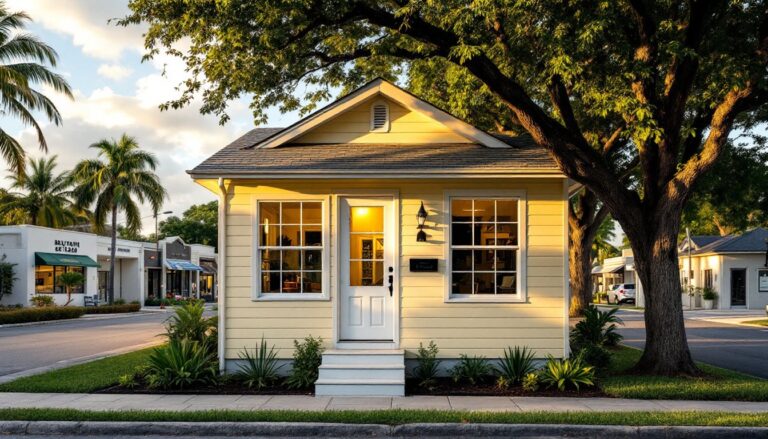
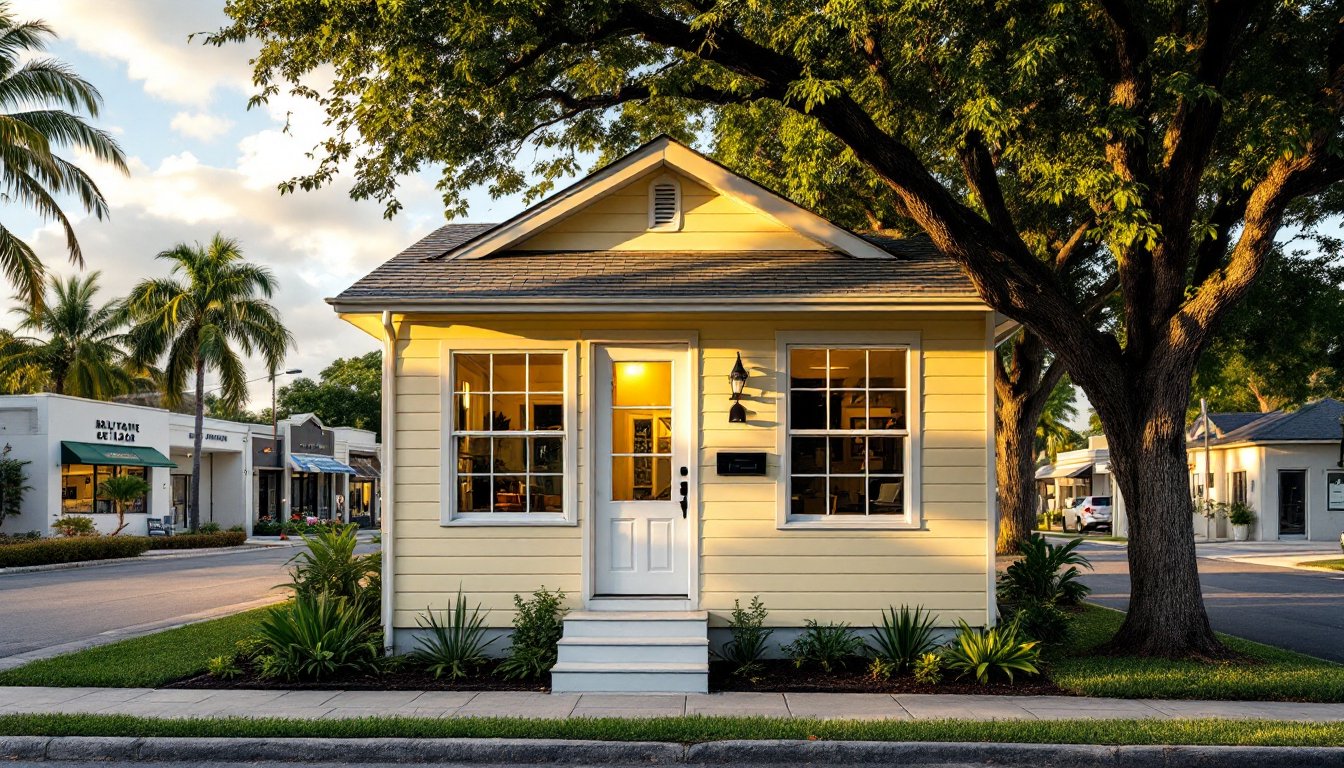
Most tiny homes for sale in Fort Lauderdale fall into two categories: older cottages and bungalows built in the 1950s–1970s, or newer micro-units with minimal design character. The older stock offers charm and solid construction but often needs updates, outdated electrical, plumbing, HVAC, and cramped, compartmentalized layouts. The newer builds are efficient but generic, ripe for personalization.
Key renovation priorities depend on the home’s age. For vintage cottages, have the electrical system inspected first, old knob-and-tube wiring or undersized panels won’t support modern appliance loads and create fire hazards. Roof condition matters in Florida’s hurricane climate: expect to budget $8,000–$15,000 for re-roofing a small structure. AC systems in small homes typically cost $3,000–$6,000 to replace, and Florida’s heat makes this non-negotiable.
Layout changes are where tiny homes shine. Removing non-load-bearing interior walls opens sightlines and makes spaces feel larger. A contractor or architect can confirm which walls bear load, don’t assume. Open-concept living, but, demands good ventilation and odor control from kitchens. Consider pocket doors instead of swinging doors to save floor space: they cost $300–$600 per unit but reclaim precious square footage.
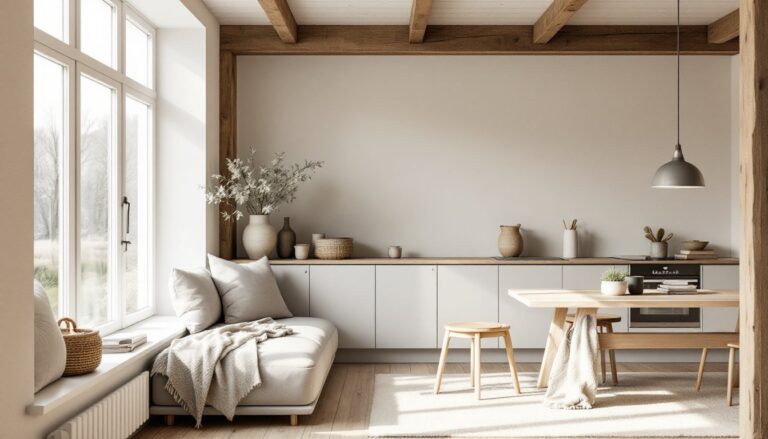
Updated tiny home design solutions show that storage innovation matters more in small spaces than in large ones. Built-in shelving, loft sleeping areas, and multi-function furniture transform usability. A competent carpenter can frame shelves, a mezzanine, or closet upgrades for $1,500–$5,000 depending on scope.
Smart Space-Saving Solutions
Vertical storage wins in tiny homes. Floor-to-ceiling cabinets and floating shelves cost less than expanding square footage and visually emphasize height. Kitchen efficiency is critical, a compact layout with a galley setup or L-shaped counter usually works better than open planning. Invest in quality hardware, drawer organizers, and under-cabinet lighting: these details cost $500–$1,500 but dramatically improve functionality.
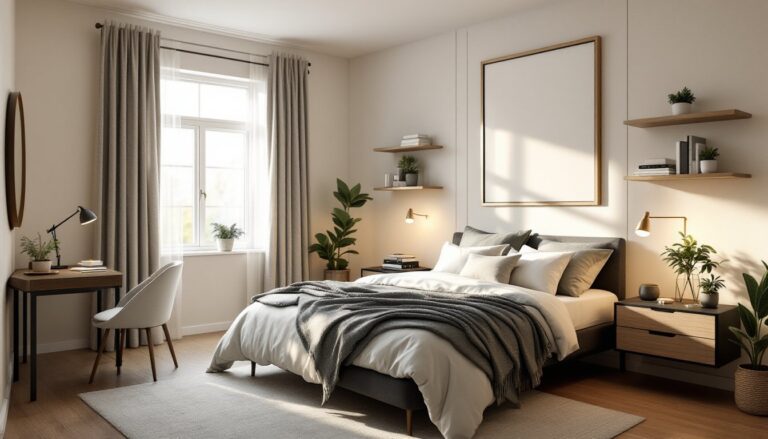
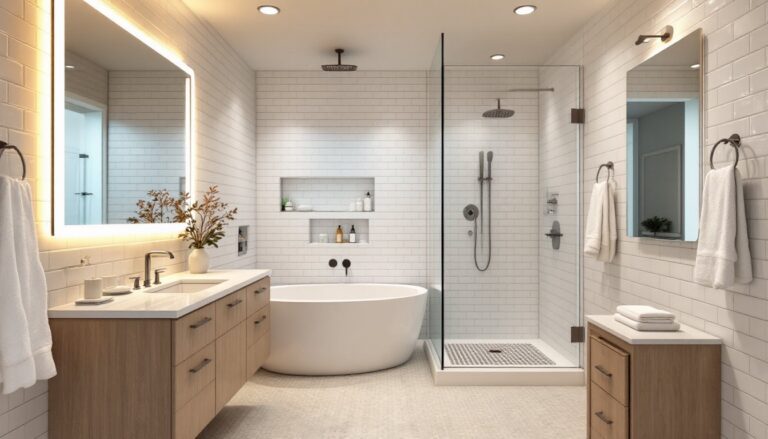
Bathroom updates pay dividends. A wall-mounted toilet, corner sink, or compact shower enclosure frees up visual space. High-gloss or light-colored wall finishes reflect light, making small bathrooms feel larger. Expect $3,000–$7,000 for a complete bathroom update in a tiny home.
Flooring continuity matters. Using the same material throughout eliminates visual breaks and makes layouts feel seamless. Polished concrete, large-format tile, or light wood flooring works well: avoid busy patterns that clutter small spaces. Flooring for a 250-square-foot home runs $1,500–$3,000 installed.
Financing and Legal Considerations
Financing a tiny home follows standard mortgage rules, but lender restrictions sometimes apply. Some banks won’t finance homes below 300 square feet or properties on non-traditional foundations (like mobile home pads). Verify lender approval early: FHA loans generally accommodate tiny homes if they meet minimum square footage, but conventional loans vary by institution.
Downpayment expectations match traditional homes, typically 3–20% depending on loan type and credit. Since tiny home prices are lower, your absolute dollar requirement is less, making down payment saving more achievable. For a $200,000 home, 5% down is $10,000: for a $300,000 property, $15,000.
Permits and zoning present real obstacles in Fort Lauderdale. The city has specific regulations on minimum home sizes, setbacks, and what qualifies as “residential.” Before buying, verify that your target property is zoned for residential use and that zoning allows the home’s current footprint. Some older cottages or converted structures may not meet current code, which complicates future sales or refinancing. A real estate attorney familiar with Fort Lauderdale code ($300–$600 for a preliminary review) is a worthwhile investment.
HOA and deed restrictions are common, especially in established neighborhoods. Tiny homes in condo complexes or deed-restricted communities may prohibit certain renovations or additions. Read the CC&Rs before making an offer. Property taxes in Fort Lauderdale are roughly 0.83% of assessed value, lower than some states but factoring into total cost of ownership. Home renovation planning guides often address financing timelines for improvement projects, helping buyers sequence capital-intensive upgrades with mortgage timelines.
Conclusion
Tiny homes for sale in Fort Lauderdale represent an accessible entry into homeownership or a smart downsizing move. Markets shift, but the fundamentals remain: smaller mortgages, lower operating costs, and walkable neighborhoods drive demand. Success requires assignments, verify zoning, inspect systems, and estimate renovation scope realistically. With due diligence and clear-eyed planning, a tiny Fort Lauderdale home can be both a personal sanctuary and a solid financial decision.