Table of Contents
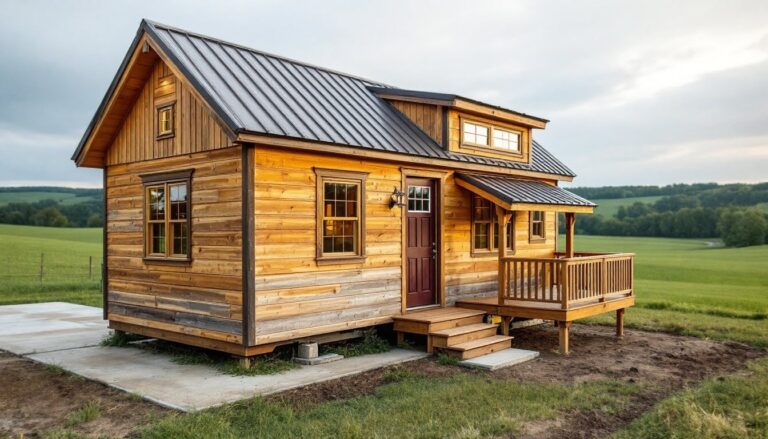
TogglePennsylvania’s tiny home market is heating up, and there’s a good reason why. Between lower property costs than the Northeast corridor and a growing acceptance of small-footprint living, PA offers real opportunities for buyers ready to downsize without sacrificing character or quality. Whether you’re a first-time buyer, a downsizer, or someone looking to invest in alternative housing, finding the right used tiny home in Pennsylvania requires knowing what to inspect, where to look, and how to navigate the legal and financial side of the transaction. This guide walks you through the essentials so you can make an well-informed choice.
Key Takeaways
- Pennsylvania’s lower property costs, flexible zoning regulations, and rural appeal make it an ideal market for used tiny homes for sale in PA, especially outside major metropolitan areas.
- A thorough inspection of structure, foundation, plumbing, and electrical systems is essential when buying a used tiny home, with professional assessments like foundation inspections ($300–$600) paying for themselves through avoided repairs.
- Verify the home’s legal title status and zoning compliance before purchase, as a tiny home classified as personal property instead of real estate can complicate financing and future resale.
- Conventional mortgages, manufactured home loans, and construction loans offer flexible financing options for used tiny homes, though permanent foundations and standard utilities improve lending approval rates.
- Strategic upgrades like LED lighting, vinyl flooring, and air sealing deliver high impact in small spaces while keeping renovation costs manageable ($300–$4,000 per project).
- Local real estate agents, dedicated tiny home dealers, online marketplaces, and community developments provide multiple avenues to find and purchase used tiny homes throughout Pennsylvania.
Why Pennsylvania Is Becoming a Tiny Home Hotspot
Pennsylvania offers a unique blend of factors that make it attractive for tiny home seekers. The state has lower median land prices compared to New England and the Mid-Atlantic, particularly in rural areas and small towns. Property taxes vary significantly by county, so a used tiny home here often costs less to own long-term than similar housing in neighboring states.
The regulatory environment in PA has also loosened. Many municipalities now allow tiny homes on permanent foundations in residential zones, though zoning still varies by township. Rural PA counties, especially in the northwest and northeast regions, tend to be more permissive than suburban areas near Philadelphia or Pittsburgh. Also, PA’s blend of wooded acreage, small-town charm, and access to major cities appeals to remote workers and retirees alike.
Seasonal factors matter too. Spring and summer attract more buyers and sellers, but winter inventory often drops, meaning less competition if you’re shopping between November and March.
What to Look For When Buying a Used Tiny Home
A used tiny home inspection is not optional, it’s your insurance policy. Unlike new construction, pre-owned units carry the quirks and wear of previous owners. Focus on the bones first, the cosmetics later.
Exterior and Weatherproofing
Walk the entire perimeter. Check for soft spots on the floor around the base where water may have pooled. Roof condition is critical: missing shingles, algae stains, or sagging indicate deferred maintenance. A new roof can run $3,000–$8,000 depending on size and materials. Look at caulking around windows and doors, dried-out or missing sealant lets water in during PA’s freeze-thaw cycles. Check the foundation or support structure for rust (if on a trailer frame) or cracks and settling (if on a permanent footing).
Interior Systems
Request an electric panel inspection and plumbing documentation. Tiny homes often use marine-grade fixtures or RV-style plumbing, which isn’t inherently bad but requires knowledge to maintain and upgrade. Check water pressure at faucets and verify the water heater type, propane, electric, or tankless, and its age. Test all appliances. Older refrigerators and cooktops eat up power in tight spaces.
Ask about prior water damage, mold, or pest history. Get a moisture meter reading in walls, cabinetry, and under-floor spaces if accessible. Moisture problems are expensive to remediate and easy to hide cosmetically.
Structural Integrity and Foundation Concerns
This is where most used tiny homes need honest assessment. If the home is on a permanent foundation, hire a structural engineer to assess the foundation for cracks, settlement, or water intrusion, this typically costs $300–$600 and is worth every dollar. If it’s on a trailer frame, verify the frame grade, check for rust or welding repairs, and confirm the axles and hitch are road-worthy if you plan to relocate it.
Look for signs of settling: door frames that don’t close flush, cracks radiating from corners, or sloping floors. Some settling is normal: severe settling requires intervention. Examine the subfloor for rot, particularly in bathrooms and kitchens. Use a moisture meter and a screwdriver to probe suspect areas. Pressure-treated lumber should resist rot, but age and poor ventilation accelerate decay.
Verify that the structure meets the local building code version in effect when it was built. This matters for future resale and if you ever need permits for modifications. If the home was built outside PA or originally as an RV, confirm it’s been properly titled and doesn’t carry RV classification in your state’s records.
Where to Find Used Tiny Homes in Pennsylvania
Pennsylvania’s tiny home inventory lives across several channels. Dedicated tiny home dealers and builders operate in Pittsburgh, Philadelphia, and mid-state regions: these sellers often service homes before sale and provide warranties. Check their inventory, ask about inspection history, and get everything in writing.
Online marketplaces like Zillow, Trulia, and Facebook Marketplace show used homes alongside new builds. Filter by “tiny home” or “small house” and your county. Listings here range from professional dealers to owner-sales, so due diligence varies. Always request the history and schedule an in-person walkthrough before committing money.
Local real estate agents familiar with PA’s tiny home and land markets can alert you to off-market deals. Agents in rural counties often have networks in construction and land development. Interview agents who specialize in small-acreage or non-traditional housing.
Tiny home communities are another route. PA has communities near Lancaster, in the Poconos, and scattered through western counties. Communities offer shared infrastructure, often lower land costs, and built-in rules. But, you’re subject to HOA fees and community regulations, so read covenants carefully. Platforms like Curbed often feature emerging tiny home communities and market trends worth following.
Auctions and estate sales occasionally feature tiny homes, often at below-market prices. Research the property thoroughly before bidding, inspection opportunities are limited.
Financing and Legal Considerations for PA Tiny Home Purchases
Financing a used tiny home isn’t as straightforward as a conventional mortgage, but it’s improving. Banks are increasingly comfortable lending on owner-occupied tiny homes, especially those on permanent foundations in established communities.
Mortgage and Loan Options
Conventional mortgages work if the home meets standard appraisal criteria: permanent foundation, minimum square footage (typically 400 sq ft minimum, though some lenders accept smaller), and standard utilities. Manufactured home loans are another option if the unit was built post-1976 and meets HUD codes. Construction or personal loans fill gaps when traditional mortgages won’t work, though rates are higher. Explore flexible financing options for tiny home purchases to compare terms and understand what lenders expect.
Title and Legal Status
Verify the title is clear and not held as an RV, manufactured home, or personal property. PA has specific classifications, a tiny home titled as personal property is harder to refinance or resell. Work with a real estate attorney (budget $800–$1,500 for a full purchase review) to confirm the legal classification and ensure the deed transfers cleanly.
Check local zoning and permit history. A home that operated legally as a residence in one township may violate another’s zoning. Confirm the property has a legal address and that utilities, water, sewer, or septic, are properly permitted. If septic, request the inspection records and proof of maintenance.
Homeowner’s Insurance
Insurance for used tiny homes can be tricky. Some standard policies don’t cover non-traditional homes. Talk to insurers early, some specialize in tiny homes, others won’t touch them. Budget $800–$1,500 annually depending on location and coverage type.
Customization and Renovation Ideas for Your New Tiny Home
One appeal of buying used is the opportunity to make it your own. But in a 400–800 sq ft space, every change ripples through the whole home.
Smart Upgrades
Start with high-impact, low-cost moves: paint, hardware, and lighting. A fresh coat of paint and updated cabinet pulls transform a tired interior for under $500. LED lighting throughout reduces heat load and power consumption, crucial in a small, enclosed space.
Next tier: flooring and countertops. Luxury vinyl plank is durable, warm underfoot, and affordable ($2–$4 per sq ft installed). Quartz or laminate counters cost less than stone but hold up well in small kitchens. Avoid heavy tile or natural stone that adds weight to a structure with limited load capacity.
Layout Modifications
Moving walls or plumbing requires careful planning. Load-bearing walls, those supporting floor joists or the roof, cannot be moved without engineered support. Non-load-bearing walls can be removed, but you’ll need permits and a structural engineer’s sign-off (especially in PA, where building department enforcement varies). Budget $3,000–$8,000 for a professional wall removal and beam installation.
Built-in storage, murphy beds, and fold-down desks maximize square footage. These are usually doable DIY projects if the home’s structure is sound. Just confirm you’re not cutting into electrical runs or plumbing.
Systems and Efficiency
Upgrade insulation and weatherproofing before tackling cosmetics. Air sealing, caulk, foam, and weather stripping, costs $300–$800 and cuts heating/cooling bills significantly in PA’s continental climate. A guide to best tiny homes with energy-efficient design can help you understand what efficient systems look like.
Consider mini-split HVAC if the original system is inefficient. These ductless units run $2,000–$4,000 installed but provide zone control and high efficiency. In older tiny homes, they’re often a better bet than retrofitting traditional ducts.
Conclusion
Buying a used tiny home in Pennsylvania rewards patience and thorough inspection. Take time to understand the property’s structural health, title status, and local zoning before committing. Work with professionals, engineers, attorneys, and inspectors, to avoid costly surprises. Once you’ve found the right home, thoughtful customization can make it truly yours. PA’s market is ripe with opportunity for buyers willing to do their assignments.