Table of Contents
ToggleTiny homes strategies help people live comfortably in spaces under 400 square feet. The tiny house movement has grown by over 60% since 2020, driven by rising housing costs and environmental concerns. These compact dwellings require careful planning to maximize every inch of available space.
Living small doesn’t mean sacrificing comfort or style. With the right tiny homes strategies, owners can create functional spaces that feel open and organized. This guide covers practical approaches for vertical space usage, storage solutions, legal requirements, and budget-friendly construction methods.
Key Takeaways
- Tiny homes strategies focus on maximizing vertical space through loft bedrooms and wall-mounted shelving to save 50-80 square feet of floor space.
- Multi-functional furniture like murphy beds and convertible tables allows tiny home owners to transform single rooms into multiple living spaces.
- Hidden storage solutions—including stair drawers, under-floor compartments, and wall cavity shelving—add significant storage without sacrificing square footage.
- Research zoning laws and legal classifications before building, as tiny homes may be classified as RVs, ADUs, or residential structures depending on your location.
- DIY construction and reclaimed materials can reduce tiny home costs by 40-70%, with total builds ranging from $10,000 to $150,000.
- Contact your local planning department early to avoid costly mistakes and consider pre-approved tiny home communities to simplify the legal process.
Maximizing Vertical Space and Multi-Functional Furniture
Vertical space represents the most underused asset in tiny homes strategies. Standard ceilings range from 8 to 10 feet, offering significant storage and living potential above eye level.
Building Upward
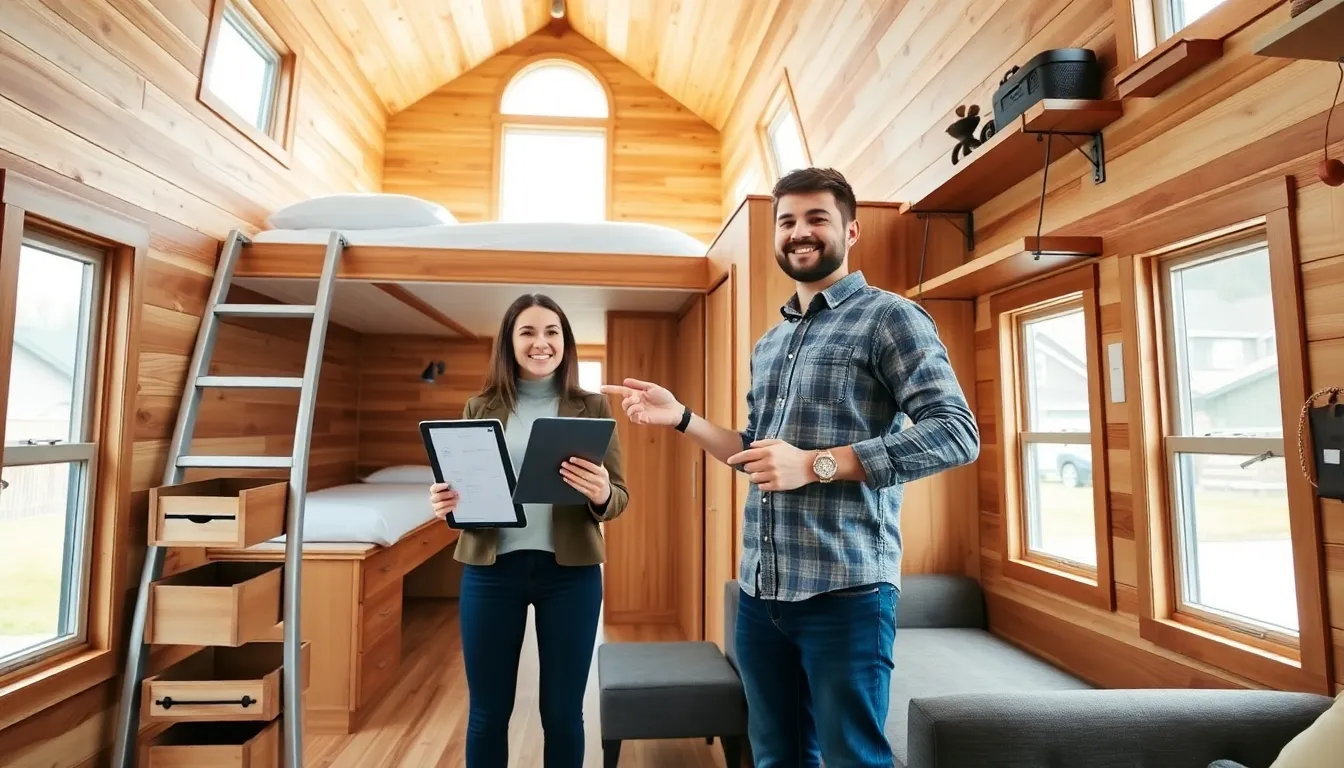
Loft bedrooms save 50-80 square feet of floor space. Most tiny home builders install sleeping lofts 6 to 7 feet above the main floor. This approach creates room for living areas, kitchens, or home offices underneath.
Wall-mounted shelving extends storage capacity without taking floor space. Floating shelves, pegboard systems, and ceiling-hung pot racks keep items accessible while maintaining open floor plans. Some owners install ladder-accessed storage cubbies along stairway walls.
Multi-Functional Furniture Solutions
Furniture that serves multiple purposes forms a cornerstone of effective tiny homes strategies. A murphy bed folds into the wall during daytime hours, converting a bedroom into a workspace or living room. These beds cost between $500 and $3,000 depending on quality and built-in features.
Convertible tables expand for dining and collapse for storage. Some models include hidden compartments for dishes, utensils, or office supplies. Ottomans with interior storage provide seating while hiding blankets, books, or seasonal items.
Modular sofas can transform into guest beds, lounge chairs, or dining benches. This flexibility allows tiny home dwellers to host guests without dedicated guest rooms. The investment in quality multi-functional pieces typically pays off within the first year of ownership.
Smart Storage Solutions for Limited Square Footage
Creative storage solutions make tiny homes strategies successful. The average American household owns 300,000 items, tiny home living requires reducing that number significantly while organizing what remains.
Hidden Storage Opportunities
Stair drawers transform dead space into functional storage. Each step becomes a pull-out drawer for shoes, tools, or kitchen supplies. This modification adds 10-15 cubic feet of storage to most tiny homes.
Under-floor compartments store seasonal items, emergency supplies, and rarely used equipment. These hidden spaces keep living areas clutter-free while maintaining access to necessary belongings. Installing hinged floor panels makes retrieval simple.
Wall cavities between studs offer 3-4 inches of depth for shallow shelving. Built-in medicine cabinets, spice racks, and book nooks fit perfectly in these spaces. This tiny homes strategy works especially well in bathrooms and kitchens where counter space is limited.
Organization Systems That Work
Vertical dividers in cabinets organize cutting boards, baking sheets, and pan lids. These simple additions prevent the avalanche effect that happens when opening packed cabinets.
Clear containers allow quick identification of pantry contents. Labeling systems save time and prevent duplicate purchases. Some tiny home owners use a one-in-one-out rule, buying something new means donating or selling something old.
Over-door organizers work in closets, bathrooms, and pantries. They add storage without drilling holes or permanent modifications, useful for renters or those who may relocate their tiny homes.
Zoning and Legal Considerations Before Building
Legal requirements shape many tiny homes strategies before construction begins. Zoning laws vary dramatically between cities, counties, and states.
Understanding Classification Types
Tiny homes fall into different legal categories. Homes on wheels often classify as recreational vehicles (RVs), subject to RV parking regulations. Homes on permanent foundations typically must meet local building codes for residential structures.
Accessory dwelling units (ADUs) represent another option. Many cities now allow ADUs on properties with existing single-family homes. California, Oregon, and Washington have passed statewide ADU-friendly legislation.
Key Regulations to Research
Minimum square footage requirements exist in many jurisdictions. Some areas mandate homes exceed 400, 600, or even 1,000 square feet. These rules can eliminate tiny homes as a legal option in certain locations.
Setback requirements determine how close structures can sit to property lines. Utility connection rules specify water, sewer, and electrical standards. Foundation requirements differ for permanent versus movable structures.
Before purchasing land or beginning construction, prospective tiny home owners should contact local planning departments. A $50 consultation can prevent $50,000 mistakes. Some areas have designated tiny home communities with pre-approved zoning, these locations simplify the legal process considerably.
Budget-Friendly Design and Construction Tips
Cost control ranks among the most important tiny homes strategies. Professional builds range from $30,000 to $150,000, while DIY projects can cost as little as $10,000 for basic structures.
Material Selection
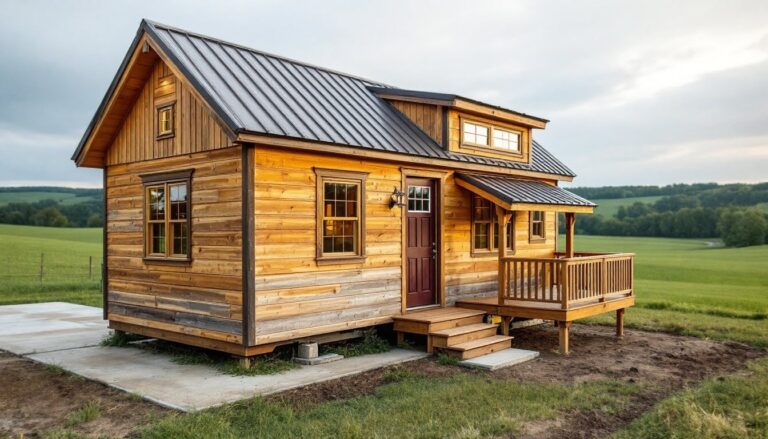
Reclaimed lumber reduces costs by 40-60% compared to new materials. Salvage yards, demolition sites, and online marketplaces offer quality wood at fraction prices. Old barn wood adds character while saving money.
Standard-sized windows and doors cost less than custom options. Planning designs around common dimensions (36-inch doors, 24×36-inch windows) keeps budgets manageable. Factory seconds and scratch-and-dent sales offer additional savings.
Metal roofing lasts 50+ years and costs less than traditional shingles over time. The initial investment pays dividends through reduced maintenance and replacement needs.
Construction Approaches
DIY construction saves 50-70% on labor costs. Many tiny home builders learn skills through YouTube tutorials, community workshops, and hands-on practice. Starting with simpler projects builds confidence for larger tasks.
Shell-only purchases offer a middle ground. Buyers receive a weathertight structure and complete interior finishing themselves. This approach costs $15,000-$40,000 for the shell alone.
Sweat equity arrangements exchange labor for reduced costs. Some builders offer discounts when buyers help with construction tasks. This tiny homes strategy reduces expenses while teaching valuable skills.