
Table of Contents
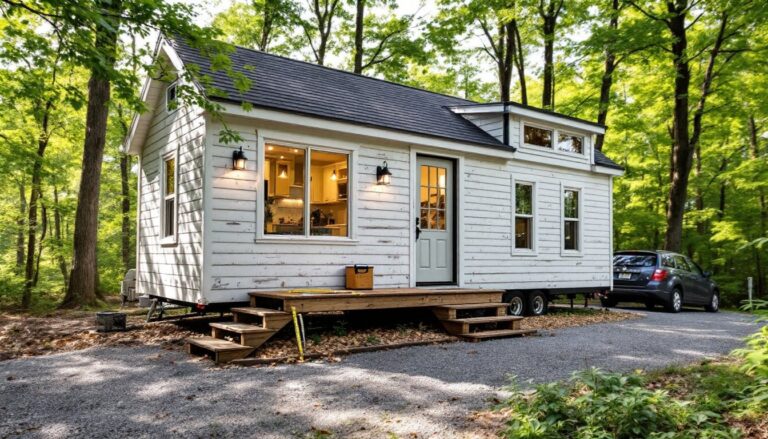
ToggleNordic tiny homes represent a fundamental shift in how people think about residential living. Combining Scandinavian minimalism with practical space optimization, these compact dwellings prioritize comfort, functionality, and aesthetic restraint. Whether you’re drawn to the philosophy of less-is-more or simply seeking an affordable, sustainable housing solution, understanding the principles behind Nordic design can transform even the smallest footprint into a genuinely livable home. This guide walks you through the core design elements, smart storage hacks, and budget-conscious approaches that make Nordic tiny homes both beautiful and practical.
Key Takeaways
- Nordic tiny homes prioritize comfort and functionality through Scandinavian minimalism, combining honest materials with intentional design to create spaces that feel larger and more livable than traditional compact dwellings.
- Natural light, neutral color palettes, and quality natural materials like solid wood and wool textiles form the foundation of Nordic design, making even small spaces feel warm and inviting without expensive renovations.
- Built-in storage solutions—including vertical shelving, dual-purpose furniture, and wall-mounted features—are essential for maximizing usable space in 300–400 square-foot homes while keeping clutter invisible.
- Strategic zoning using furniture placement, lighting, flooring shifts, and rugs allows open-plan tiny homes to function as multiple distinct areas without sacrificing openness or visual flow.
- Budget-conscious Nordic design prioritizes quality flooring, windows, and insulation over quantity, with strategic use of reclaimed materials and DIY projects offsetting costs without compromising the aesthetic.
- Leaving 15–20% of storage empty and selecting a few signature pieces over numerous inexpensive items ensures your Nordic tiny home remains organized, functional, and intentional rather than cluttered or disposable.
What Makes Nordic Tiny Homes Different
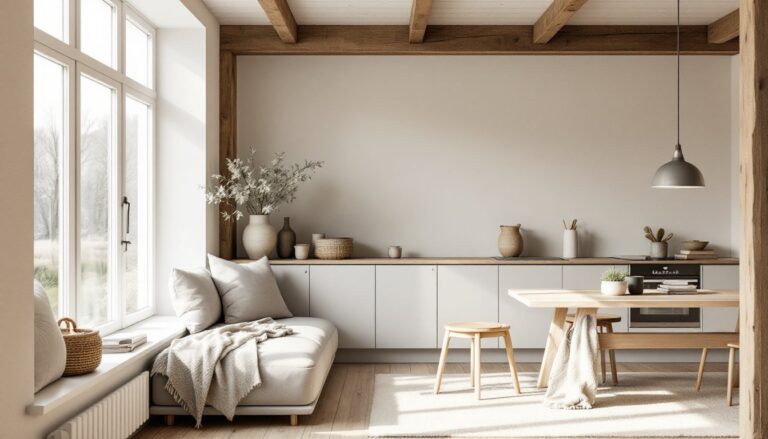
Nordic tiny homes stand apart from other compact living concepts because they’re rooted in a philosophy, not just a square footage limit. Scandinavian design emphasizes simplicity, functionality, and honesty in materials, no fake finishes or unnecessary ornamentation. Where a typical minimalist space might feel sparse or cold, Nordic design layers in warmth through natural wood, soft textiles, and thoughtful lighting.
The key difference lies in intent. A Nordic tiny home isn’t small because it’s cheap: it’s small because the owner actively chose to reduce visual and physical clutter. Rooms pull double duty without feeling cramped. Storage disappears into walls. Every piece of furniture earns its place. This contrasts sharply with tiny homes built primarily for affordability or mobility, which may prioritize cost over livability.
Nordic homes also tend to honor natural light and the connection between indoors and out. Large windows, light-colored walls, and uncluttered sightlines create an illusion of spaciousness. Tiny Home Reviews: Discover showcase how this principle applies across different climates and budgets, proving that thoughtful design transcends price point.
The sustainability angle matters too. Nordic culture emphasizes durability and timelessness over trendy disposability. A well-made wooden table or linen sofa should last decades. This slower approach to consumption naturally reduces waste and aligns with eco-conscious living.
Key Design Principles of Scandinavian Minimalism
Scandinavian minimalism rests on a few non-negotiable pillars. First: function before form. Every object must have a purpose: decoration exists only when it serves a practical role or brings genuine joy. Second: neutral color palettes create visual calm and allow natural light to bounce around freely. Think soft whites, warm grays, and natural wood tones rather than bold accent walls.
Third: open floor plans maximize perceived space. Removing interior walls (where structurally safe) or using half-walls and strategic furniture placement creates flow without chopping up the layout into tiny, isolated zones. Fourth: quality over quantity. Owning fewer, well-made items beats accumulating cheaper alternatives that wear out and end up in landfills.
Light, Bright Spaces and Natural Materials
Light is the secret weapon in Nordic design. Large windows, skylights, and glass doors flood interiors with daylight, which costs nothing and makes rooms feel larger. In climates with long winters, this light access becomes both psychological necessity and a practical energy strategy, relying on free solar gain instead of artificial lighting during daylight hours.
Natural materials form the tactile foundation. Solid wood (pine, birch, or oak) in floors, trim, and cabinetry brings warmth and patina that manufactured materials can’t replicate. Avoid hollow-core doors, plywood veneer, and plastic laminates: they cheapen the space and feel disposable. Wool textiles, rugs, throws, and upholstery, add insulation and softness. Linen and cotton provide breathability. Exposed brick or concrete, left honest and unadorned, ground the aesthetic.
When selecting finishes, opt for matte or satin over glossy. Gloss reflects light erratically and shows fingerprints constantly: matte creates a sophisticated, lived-in calm. Tiny Homes Tips: Essential Advice for Small Space Living frequently emphasize material authenticity as a cornerstone of successful small-space design.
Smart Storage Solutions for Compact Living
In a 300–400 square-foot space, storage makes or breaks comfort. Nordic design solves this by building storage into walls rather than littering the floor with visible furniture. Built-in shelving, floor-to-ceiling cabinetry, and under-stair drawers reclaim dead space. The goal is to hide clutter while keeping frequently used items accessible.
Consider these strategies:
- Vertical storage: Shelves above doorways, inside closets, and along walls multiply usable square footage without eating floor space.
- Dual-purpose furniture: A bed frame with built-in drawers underneath, ottomans with hidden storage, or a kitchen island that doubles as seating and counter space.
- Shallow, open shelving in kitchens: Display beautiful cookware and dishware: everyday items retreat into closed cabinetry below.
- Wall-mounted desks: Fold or swing away when not in use, freeing up floor area.
- Sliding doors instead of swing doors: Pocket doors and barn sliders save the arc of space a traditional hinged door requires.
Label and organize ruthlessly. Use clear containers so you know what’s inside without opening cabinets. Invest in drawer dividers and shelf risers to maximize vertical stacking. The moment you lose track of what you own, clutter accumulates invisibly.
One often-overlooked detail: leave 15–20% of storage empty. A packed-to-capacity closet or cupboard makes retrieval frustrating and encourages disorder. A little breathing room keeps the system functional.
Budget-Friendly Building and Decor Tips
Building or renovating a Nordic tiny home doesn’t require a luxury budget, but it does demand patience and selective spending. Prioritize where it counts, quality flooring, windows, and insulation pay dividends for years. Splurge on a few signature pieces (a solid wood dining table, quality lighting fixture) rather than filling rooms with inexpensive items.
Solicit reclaimed or secondhand materials. Antique wood flooring, salvaged doors, and vintage cabinetry add character and cost far less than new. Check demolition salvage yards, estate sales, and online marketplaces. A weathered plank floor from a deconstructed barn costs a fraction of new hardwood and tells a story.
Paint is your cheapest design tool. A gallon of high-quality paint (Benjamin Moore, Sherwin-Williams) covers roughly 350–400 square feet and costs $30–50. Two coats of warm white or soft gray instantly brighten and enlarge perception of space. Avoid bright or saturated colors in small spaces: they overwhelm visually.
DIY what you can, but hire professionals for structural, electrical, and plumbing work. Mistakes in those trades become expensive headaches. Tiny Homes Strategies: Smart Approaches for Small Space Living regularly detail which projects justify professional labor and which don’t.
When sourcing decor, platforms like Dwell showcase affordable Nordic design options alongside luxury pieces. The aesthetic doesn’t demand high price tags, it demands restraint and intentionality. A $15 linen throw from a home goods store paired with a thoughtfully curated room reads far better than a room full of mid-range furniture.
Creating Functional Zones in Limited Square Footage
Open-plan tiny homes require intelligent zoning so your bedroom doesn’t feel like your kitchen. Without walls, you use furniture placement, lighting, flooring shifts, and rugs to define distinct areas. A half-wall or tall shelving unit serves as a visual divider without cutting off light or sightlines. Positioning a sofa perpendicular to the kitchen creates an implicit boundary.
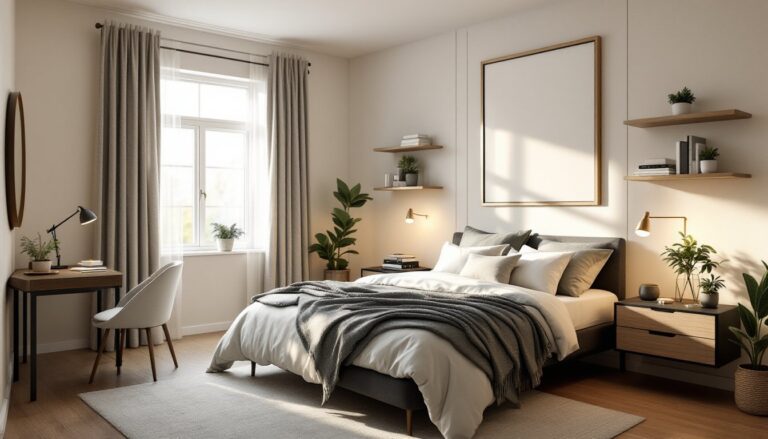
Lighting zonation is powerful. Install dimmers and use warm LED bulbs (2700K color temperature) in living and sleeping areas, brighter task lighting in kitchens and workspaces. A pendant light over the dining table, a floor lamp beside a reading nook, and subtle under-cabinet strips in the kitchen each signal a different function.
Flooring transitions also define zones. A rug anchors the living area: different flooring in the kitchen (tile or engineered wood) signals a functional shift. The eye instinctively reads these changes as separate spaces, even on an open floor plan.
Keep bedroom and living areas visually distinct by using a room divider, curtain rod, or sliding panel that opens or closes depending on need. This preserves openness when you want it and privacy when you don’t. In a 350-square-foot space, flexibility is as valuable as the square footage itself.
Resource sites like Real Simple offer detailed breakdowns of zone-creating techniques tailored to compact layouts. The principle is consistency: repeating the same color, texture, or lighting style within each zone ties the space together even though the lack of walls.
Conclusion
Nordic tiny homes prove that small spaces needn’t feel cramped or sparse. By blending Scandinavian design principles, honest materials, functional restraint, and thoughtful light, with practical storage and zoning strategies, you craft a home that’s both beautiful and genuinely livable. The philosophy isn’t about deprivation: it’s about curating what matters and building spaces that serve you well for decades. Start with your materials, layer in natural light, and invest in smart storage. Your tiny Nordic home will feel anything but small.