Table of Contents
ToggleWashington State has emerged as one of the most welcoming regions in the country for tiny home enthusiasts. The combination of progressive zoning policies, strong environmental values, and rising housing costs has sparked a genuine movement toward compact living. Whether you’re drawn to tiny homes by financial necessity, sustainability goals, or the simple appeal of owning your space, Washington offers real opportunities, along with legitimate hurdles to navigate. This guide walks you through what makes tiny homes tick in Washington, the regulatory landscape you’ll face, where to plant roots, and how to design a space that actually works for daily living.
Key Takeaways
- Tiny homes in Washington State cost $40,000–$100,000 compared to conventional homes at $450,000–$750,000, offering genuine savings of $300,000–$500,000 upfront in most markets.
- Zoning laws for tiny homes vary significantly by city and county in Washington, so verify local regulations with your planning department before purchasing land or a unit.
- Tiny homes in Washington benefit from the state’s mild winters and extended outdoor seasons, making compact living feel less claustrophobic and aligning with residents’ environmental values.
- Effective tiny home design requires multi-use spaces, abundant natural light, vertical storage solutions, and deliberate ownership discipline to maximize functionality in 100–400 square feet.
- Eastern Washington communities like Spokane and the Tri-Cities area offer more permissive zoning and lower land costs compared to the Puget Sound region, though with longer commutes.
- Financing tiny homes remains challenging through traditional mortgages, but cash purchases, personal loans, and specialty lenders have become common pathways as the tiny home movement becomes mainstream.
What Makes Tiny Homes Popular in Washington State
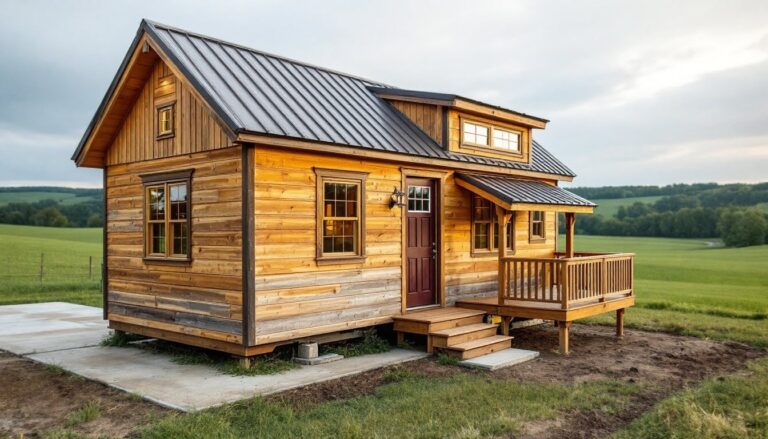
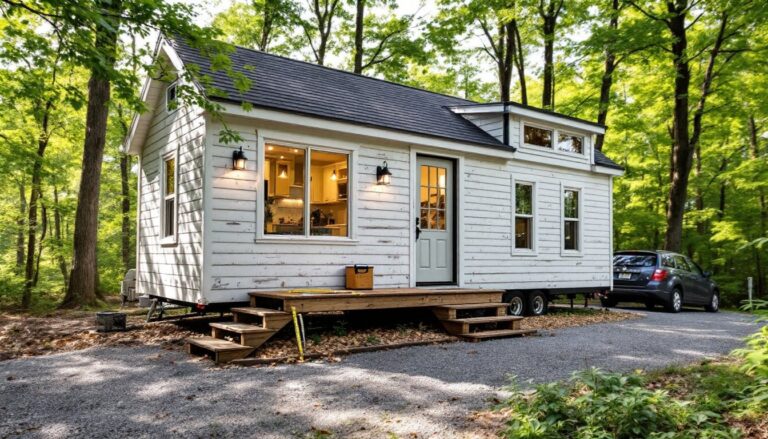
Washington’s popularity as a tiny home destination stems from several hard realities. First, the housing market in major metros like Seattle and Tacoma has made traditional homeownership feel out of reach for many. A tiny home, typically between 100 and 400 square feet, can cost $40,000 to $100,000 depending on whether you build, buy new, or purchase a used unit. That’s genuinely cheaper than a down payment on a conventional house in King or Pierce County.
Second, Washington residents care about environmental impact. Tiny homes use less energy, require fewer materials, and align with the state’s progressive sustainability values. The climate here supports year-round outdoor living, which makes living in a smaller footprint feel less claustrophobic. Winters are mild by U.S. standards, and the spring-through-fall season offers extended outdoor time.
Third, there’s a practical appeal: less to clean, less to maintain, lower utility bills, and genuine neighborhood connection when you’re living close to others. Many people who downsize report better work-life balance simply because they’re not spending weekends maintaining a large property. The tiny home movement in Washington isn’t just about affordability, it’s about a lifestyle choice that resonates with the state’s culture.
Zoning Laws and Regulations for Tiny Homes in Washington
Here’s where Washington’s progressive reputation meets real-world complications. Zoning laws vary significantly by city and county, and what’s legal in one jurisdiction might be prohibited next door. Washington State itself doesn’t have uniform tiny home regulations: instead, each municipality sets its own rules.
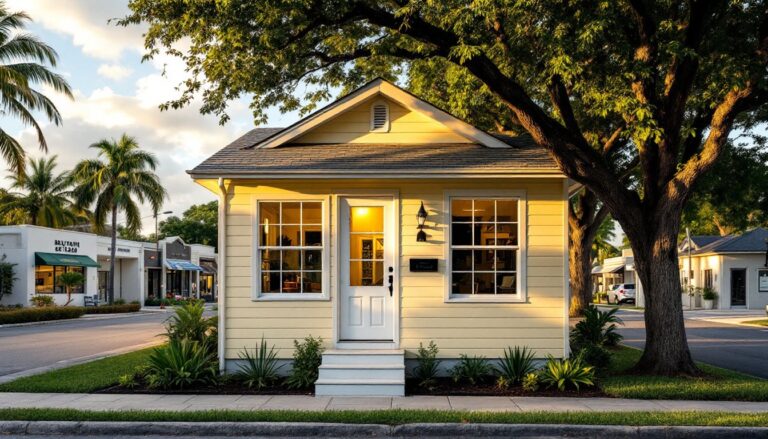
Seattle and Spokane have been among the more accommodating cities, but they still impose restrictions. Seattle allows Accessory Dwelling Units (ADUs), small homes on residential lots, up to 1,000 square feet, and recent updates have loosened some requirements. But, you’ll still need proper permits, utility hookups must meet code, and structural plans must be stamped by a licensed engineer. Structural work requiring a professional is non-negotiable here, the city inspector won’t accept homeowner-built framing.
Tiny House Legality: Navigate covers the permitting process in detail, but the short version: contact your city planning department before you buy land or a unit. Bring a sketch of what you’re proposing. Some areas require setbacks (distance from property lines), lot size minimums, and foundation specifications that can kill a project before it starts.
If you’re considering a tiny home on wheels (technically a recreational vehicle), parking regulations vary wildly. Most residential neighborhoods prohibit permanent RV residence, though some rural areas are more lenient. Check local codes carefully, operating outside them can result in fines, cease-and-desist orders, or forced removal of the structure.
Best Locations and Communities for Tiny Home Living
Washington’s geography gives tiny home buyers real options. The Puget Sound region (Seattle, Tacoma, Olympia) offers jobs and urban amenities but tighter zoning. The Tri-Cities area (Richland, Kennewick, Pasco) has emerged as a growing tiny home hub with lower land costs and more permissive zoning. Eastern Washington communities like Spokane and Bend-adjacent areas often have more acreage options and fewer regulatory barriers.
Several intentional communities and tiny home parks have sprung up specifically for this lifestyle. These are developments designed from the ground up with tiny homes in mind, shared green space, community buildings, walkable design. Examples include Cascadia Cohousing near Portland and emerging micro-communities in the Olympia and Corvallis areas. Living in a dedicated community removes zoning uncertainty because the entire development is already approved.
Southwestern Washington (around Longview, Kelso, and Vancouver) offers proximity to Portland’s amenities with lower land and construction costs. The trade-off is longer commutes to Seattle jobs, but remote work has changed the calculus for many buyers. Rural acreage near I-90 corridors offers cheap land and relaxed zoning, but you’re trading walkability and services for privacy and space.
Before settling on a location, spend time there in different seasons. Rain in Puget Sound isn’t a myth, and heating costs on the eastern side of the Cascades can surprise you. Talk to residents of existing tiny home communities about what actually works and what doesn’t.
Design and Layout Tips for Washington Tiny Homes
Designing a tiny home is radically different from designing a conventional house. Every square foot has to earn its keep. The standard floor plan allocates roughly 200–250 square feet for living, sleeping, and working areas, with the remaining footage split between kitchen, bathroom, and storage.
Multiple uses per space are mandatory. A kitchen island can include seating and become your dining area. A murphy bed or loft bedroom frees up floor space during the day. A small workspace tucked into a living room corner handles work-from-home needs without requiring a separate room. The key is fluidity, your space needs to shift with your day.
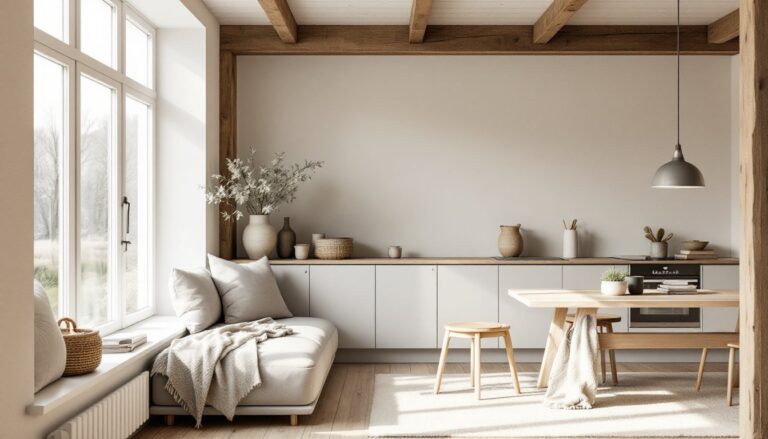
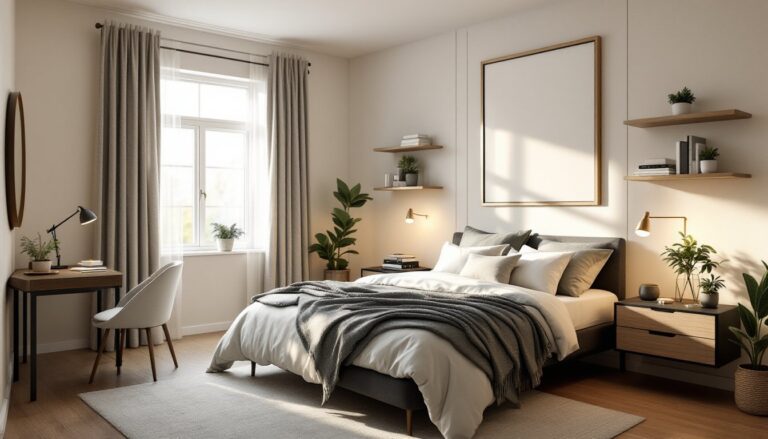
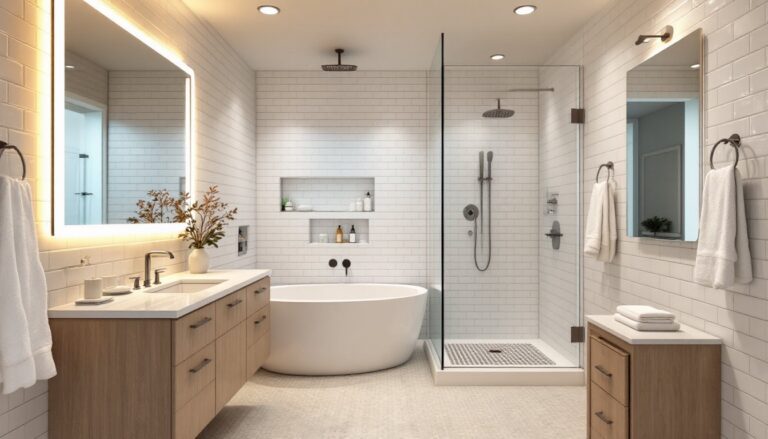
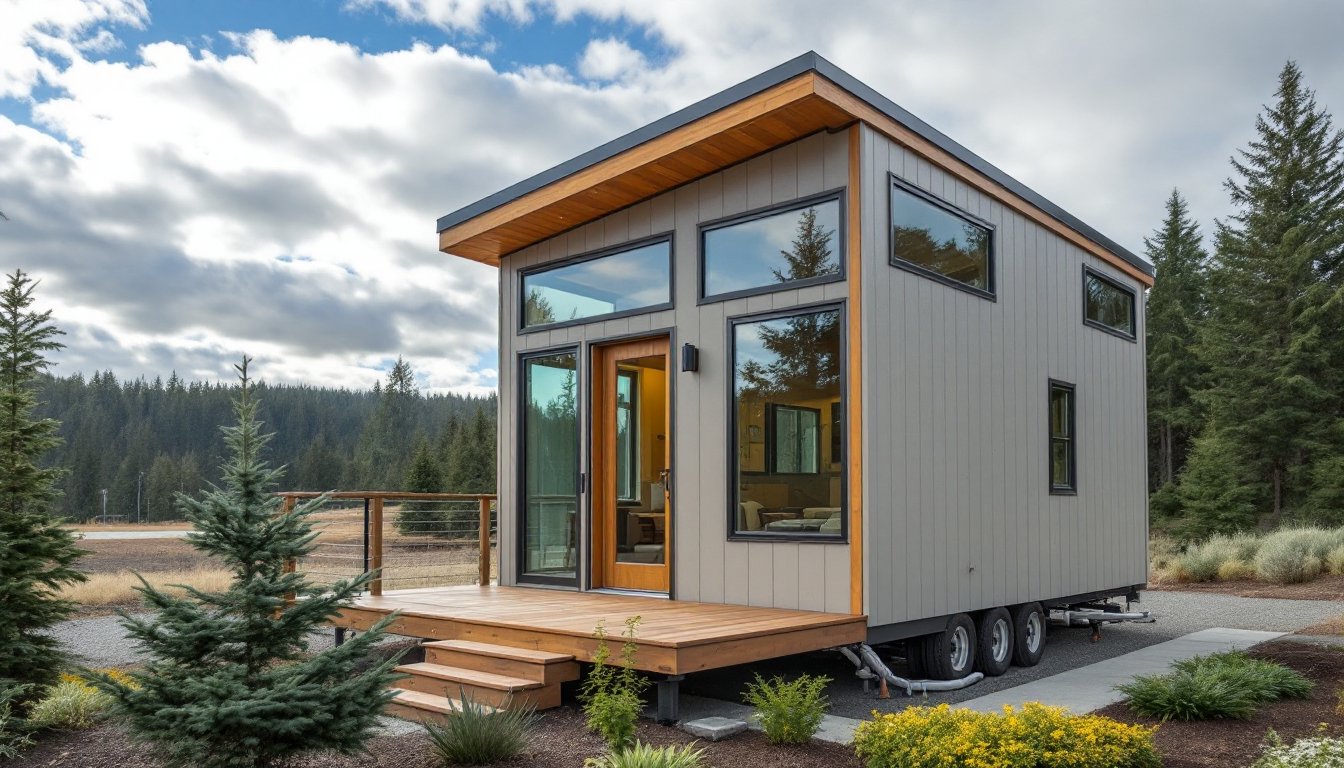
Light and air matter more in tight quarters. Large windows, skylights, and glass doors to outdoor decks visually expand the space and improve mental health through natural light. Muted color palettes (whites, soft grays, natural wood tones) make rooms feel larger than they are. This isn’t Pinterest aesthetics: it’s functional design that makes the space livable.
Height is your friend. Tall ceilings (8.5 to 10 feet is standard in modern tiny homes) create verticality that compensates for limited floor area. Loft bedrooms use overhead space that would otherwise feel wasted.
Maximizing Storage in Small Spaces
Storage failures doom tiny homes faster than poor design. Built-in cabinetry, under stairs, along walls, above doorways, must be planned during construction, not retrofitted later. Standardized cabinet depths (18 inches for shallow storage, 24 inches for standard depth) matter: awkward dimensions waste space.
Vertical storage extends usable capacity dramatically. Floor-to-ceiling shelving, pegboards, and wall-mounted racks keep items accessible without consuming floor space. Drawers with dividers and clear containers make it obvious what you own, preventing duplicate purchases. The hard truth: if you can’t see it and reach it easily, you’ll buy replacements.
Declaration of items works better than buying organizing systems. If you own six coffee mugs in a 150-square-foot space, four of them take up real estate that could serve other purposes. This sounds harsh, but tiny home dwellers universally report that ownership discipline directly correlates with happiness in the space.
Cost Considerations and Financial Benefits
The financial math on tiny homes depends heavily on whether you’re building, buying new, or purchasing used. A factory-built tiny home costs $30,000–$60,000 for the unit alone, plus land, foundation, utility setup, and permitting, total project cost often reaches $80,000–$150,000 in Washington. Hand-built custom homes run $100,000–$200,000+. Used tiny homes can be found for $20,000–$50,000, but they may require updates or repairs.
Compare this to median home prices in Washington: as of 2026, conventional homes in desirable areas run $450,000–$750,000+. Even accounting for land costs and utilities, a tiny home in most Washington markets saves $300,000–$500,000 upfront. That’s not inflation-adjusted: that’s real money in your account instead of a mortgage.
Operating costs drop significantly. Utility bills run $40–$80 monthly for a well-insulated tiny home versus $150–$250 for conventional houses in this climate. Property taxes scale with assessed value, so a $100,000 tiny home on modest land costs far less than a $500,000 house. Insurance, maintenance, and replacement costs all shrink proportionally to the structure’s size.
Financing is the catch. Traditional mortgages for tiny homes on wheels or in communities remain difficult because banks view them as non-traditional collateral. Tiny Homes Trends 2026: explores how lending is evolving, but historically, cash purchases or specialty lenders have been the path forward. Recent shifts toward ADU and tiny home acceptance may improve financing options, but don’t assume your local bank will automatically approve a loan.
Many people finance tiny home purchases through personal loans, savings, or construction loans with a takeout mortgage once the unit is completed and permanent foundation is established. The total financial advantage still favors tiny homes, but the path to ownership is less conventional than traditional real estate.
Conclusion
Tiny homes in Washington State represent a legitimate alternative to traditional housing, backed by genuine cost savings, environmental alignment, and lifestyle benefits. Washington’s progressive zoning policies and environmental values create a hospitable environment, though regulations still require careful navigation. Success depends on three things: research your specific jurisdiction’s zoning well before you commit, choose a location that fits your actual lifestyle, and invest time in design that maximizes function in minimal space. The tiny home movement isn’t a trend fading in 2026, it’s becoming a standard housing option for people willing to live intentionally.