
Table of Contents
ToggleSt. Louis is experiencing a quiet shift in how people think about homeownership. Tiny houses for sale in St. Louis have moved from niche curiosity to a genuinely viable housing option for first-time buyers, downsizers, and sustainability-minded homeowners. With median home prices climbing across the region, many are discovering that smaller footprints don’t mean smaller dreams, they often mean smarter choices. Whether you’re drawn to the financial freedom, the low-maintenance lifestyle, or simply the appeal of intentional living, the St. Louis tiny home market offers real opportunities. This guide walks you through what’s actually available, what it costs, where to look, and what legal and financial hurdles you’ll encounter along the way.
Key Takeaways
- Tiny houses for sale in St. Louis range from $90,000 to $250,000, with most priced between $120,000 to $180,000—representing more than 50% savings compared to conventional homes in the region.
- St. Louis neighborhoods like Clayton, Webster Groves, the Loop, and South Grand have adopted progressive zoning that welcomes tiny homes and ADUs, but zoning rules vary significantly by location, so verification is essential before purchase.
- Financing tiny homes on permanent land has become mainstream with most major lenders offering competitive 15- to 30-year mortgages, though mobile units may require specialized financing or personal loans.
- Always hire an inspector experienced with tiny home construction to check for issues like water intrusion, unconventional framing, and custom HVAC systems that require specialized attention.
- Confirm zoning compliance, HOA restrictions, and utility access before committing to a tiny home purchase, as violations can result in forced demolition or relocation.
The Growing Tiny Home Market in St. Louis
St. Louis’s tiny home movement has picked up genuine momentum over the past three years. Part of that comes from simple math: the city’s housing costs remain lower than coasts, making it an attractive hub for people experimenting with compact living. The metro area’s diverse neighborhoods, from the Loop to the Delmar area, have started welcoming ADU-friendly zoning and scattered tiny home communities.
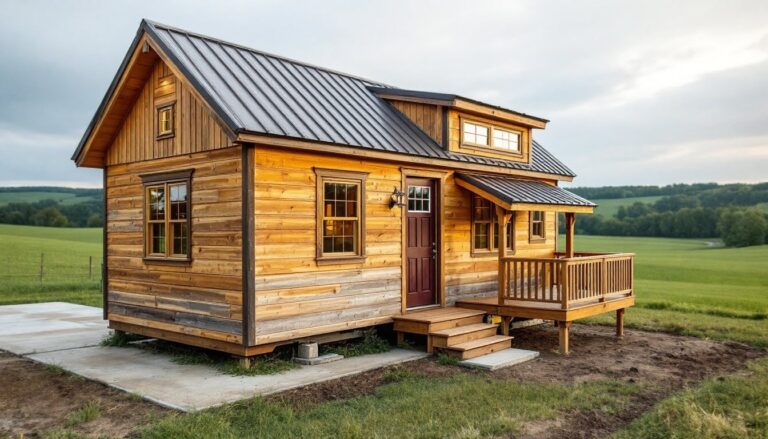
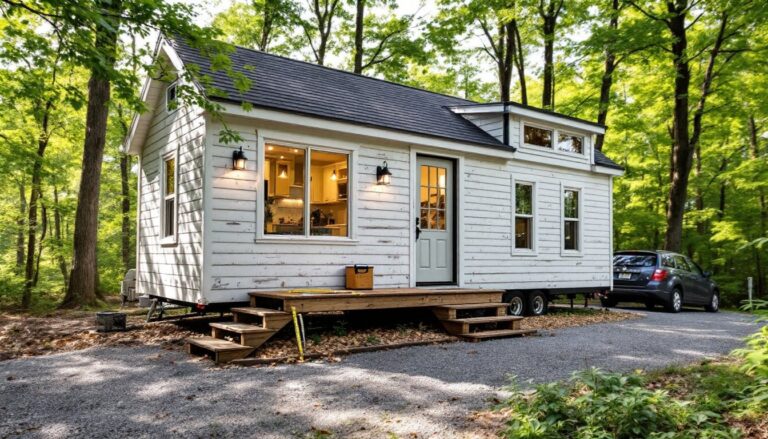
The appeal here is practical. Buyers are tired of carrying six-figure mortgages on sprawling properties they don’t need or want to maintain. Tiny homes typically run between 300 and 500 square feet, though some go smaller. Many come with modern efficiency features: high-performance insulation, LED systems, and integrated storage that feels custom-built. Some are stationary, while others sit on trailers: tiny houses on wheels have gained traction among people who want both stability and flexibility.
Local builders and investors have noticed. Several St. Louis developers now focus on tiny home communities or individual lot sales, recognizing both demand and market opportunity. Financing has gotten easier, too, lenders increasingly understand that a $150,000 tiny home mortgage is a legitimate loan product, not a novelty.
What to Expect: Pricing, Features, and Neighborhoods
Average Costs and Market Trends
Tiny homes for sale in St. Louis run from roughly $90,000 on the low end to $250,000 for custom builds and premium finishes. Most fall in the $120,000 to $180,000 sweet spot. Prices depend heavily on whether you’re buying turnkey, custom-built, or on a trailer. A used tiny home on wheels might be cheaper: a brand-new, architect-designed stationary unit costs more.
The appeal is clear: a conventional 1,400-square-foot home in the St. Louis area averages $280,000 to $320,000. A $150,000 tiny home cuts your principal by more than half and drops monthly payments accordingly. Property taxes and utilities drop proportionally, creating genuine long-term savings. Keep in mind that financing terms for tiny homes can differ. Some lenders treat them as personal property or chattels (if mobile), while banks increasingly offer standard mortgages for permanent tiny homes on land.
Market data shows steady inventory, though selection varies by month. Unlike sprawling suburban subdivisions, tiny homes move quickly when priced right, sometimes weeks, not months. Tiny homes strategies focused on smart design and resale appeal help buyers understand what moves in the local market.
Popular St. Louis Neighborhoods for Tiny Homes
Certain St. Louis neighborhoods have become hotspots for tiny home buyers. The Clayton area, known for progressive zoning, has welcomed ADUs and small standalone units. Webster Groves and Kirkwood have also softened regulations, allowing more creative housing. The Loop district and surrounding blocks in University City attract younger buyers and downsizers: mixed-use zoning makes tiny homes fit naturally alongside apartments and renovated historic space.
South City neighborhoods near Tower Grove Park and along South Grand have seen rising interest. The demand for walkable, lower-cost housing has made these areas appealing. Downtown St. Louis itself has seen modest growth in compact lofts and tiny-home-adjacent projects, though availability remains limited.
Before committing to a neighborhood, confirm local zoning. Allowable ADU sizes, setback requirements, and parking rules vary significantly. A tiny home legal in Webster Groves might violate ordinances two miles away in Maplewood. Zoning is not one-size-fits-all in the St. Louis metro.
Financing and Legal Considerations
Financing a tiny home in St. Louis mirrors traditional mortgages if the home is on permanent land. Most major lenders, including local credit unions and regional banks, now offer conventional loans for stationary tiny homes, typically with 15- to 30-year terms and rates competitive with standard mortgages.
If you’re buying a tiny house mortgage, expect standard requirements: down payment (usually 5–20%), good credit, and proof of income. Some lenders will go as low as 3% down for qualified buyers. Appraisals can be trickier since comparables are fewer, but St. Louis’s active tiny home market makes appraisals more straightforward than they were five years ago.
Mobile tiny homes, those on trailers, fall into a gray zone. Some lenders treat them as RVs or chattels, requiring personal loans or specialized financing. Others, especially those specifically marketing tiny home loans, will finance a mobile unit on land like a traditional home. Always ask your lender upfront whether they’ll finance the specific property type you’re targeting.
Legally, you must confirm zoning compliance before purchase. Check the lot’s zoning designation, ADU allowances, and minimum square footage rules. St. Louis County and the City of St. Louis have different codes. If a property violates local ordinances, your lender may refuse the loan, and you could be forced to demolish or relocate the structure, a catastrophic outcome.
Permit requirements vary. Some tiny homes need full building permits: others, if classified as accessory buildings, require fewer approvals. Contact your local building/zoning office, most are helpful and will clarify requirements before you invest time or money. Some properties also carry HOA restrictions that might prohibit tiny homes, so read those documents carefully.
Homeowners insurance is another consideration. Insurers are increasingly familiar with tiny homes, and premiums are proportionally lower than for larger houses. Get a quote before closing: don’t assume it’ll be a problem.
Finding and Evaluating Properties
Start your search on traditional MLS platforms, Zillow, Realtor.com, and local St. Louis MLS services. Use filters for price range, square footage, and neighborhood. Real estate agents familiar with tiny homes are worth their commission: they understand zoning quirks, financing nuances, and where inventory tends to cluster. Many small-market agents in Webster Groves, Clayton, and midtown have experience with compact homes.
Don’t overlook direct-to-builder sales. Several St. Louis-area contractors and tiny home builders sell turnkey units. Building custom means you get exactly what you want, custom layout, premium finishes, but you wait longer and spend more. Buying existing gets you into a home faster.
Walk every property in person. Square footage feels abstract until you’re standing in a 350-square-foot living area. Check ceiling height, storage, and flow. Loft bedrooms, common in tiny homes, aren’t for everyone: some people find them claustrophobic. Test the bathroom, kitchen workflow, and whether you can comfortably open a full-size refrigerator door. These details matter more in a tiny space.
Inspection is non-negotiable. Hire a general home inspector experienced with small structures. Tiny homes often use unconventional framing or custom HVAC setups: you want an inspector who’ll catch issues. Check for water intrusion, especially in mobile units where seams and connections are stress points. Best tiny homes maintain careful attention to moisture control, an inspector will verify this.
Review HOA rules, parking, and utility access. Confirm that the lot has adequate power, water, and septic (if not on municipal lines). Ask about future plans for the neighborhood or community. If you’re buying into a tiny home community, review the community agreement and budget for shared maintenance costs.
Conclusion
Tiny houses for sale in St. Louis represent a legitimate, growing option for buyers ready to rethink what home means. Prices are fair, financing is accessible, and neighborhoods are welcoming more diversity in housing types. Your job is due diligence: confirm zoning, get pre-approved financing, hire an experienced inspector, and spend time in the actual space before signing. The St. Louis market rewards informed buyers who understand local regulations and their own lifestyle needs. If intentional living and financial freedom appeal to you, now’s a solid time to explore what’s available.