Table of Contents
ToggleJacksonville’s tiny home market is heating up, and if you’re considering downsizing without sacrificing quality of life, now’s a compelling time to explore what’s available. Whether you’re drawn to the financial freedom, the lower maintenance demands, or the sustainability angle, Jacksonville offers solid options for practical buyers. This guide walks you through what’s driving demand, where to look, what to expect financially, and the essential steps before you commit to a tiny home purchase in Northeast Florida’s growing market.
Key Takeaways
- Jacksonville’s tiny homes for sale range from $150,000 to $350,000, offering lower total mortgages and financial accessibility for first-time buyers despite higher per-square-foot pricing.
- Riverside, San Marco, Avondale, and Five Points are the best neighborhoods for tiny home living in Jacksonville due to walkability, resale potential, and established community amenities.
- Tiny homes in Jacksonville sell faster than traditional homes (20–30 days average), indicating strong buyer demand driven by affordable cost of living, low property taxes, and climate advantages.
- Prioritize ceiling height (9+ feet minimum), efficient kitchens, outdoor space, and high-quality insulation when evaluating tiny homes to ensure livability in compact spaces.
- Essential pre-purchase steps include getting pre-approved financing, hiring a specialized home inspector, verifying zoning restrictions, reviewing 12 months of utility bills, and checking flood maps and insurance costs.
Why Jacksonville’s Tiny Home Market Is Booming Right Now
Jacksonville’s tiny home boom isn’t accidental, it’s the result of converging economic and lifestyle shifts. Florida’s affordable cost of living compared to other warm-weather states, combined with Jacksonville’s lower property taxes than many competitive markets, makes tiny homes financially attractive for first-time buyers, retirees, and anyone tired of sprawling maintenance. The city’s rapid population growth and limited affordable housing inventory have pushed developers and individual sellers to explore compact, efficient solutions.
Climate plays a role too. Jacksonville’s mild winters mean year-round outdoor living potential, which makes a smaller footprint feel less cramped. According to market insights from Curbed, tiny homes in emerging markets like Jacksonville are gaining traction as younger professionals and remote workers prioritize flexibility and affordability. Interest rates and lending shifts have also made smaller mortgages more accessible than traditional single-family purchases.
On top of that, sustainability concerns are driving genuine buyer interest. Many Jacksonville tiny home shoppers care about reducing their environmental footprint, and a 400-square-foot home with modern insulation and efficient HVAC uses a fraction of the energy a 2,500-square-foot house demands. It’s not just ideology, it’s a practical cost savings that compounds over decades of ownership.
Top Neighborhoods for Tiny Home Living in Jacksonville
Not every Jacksonville neighborhood is equally suited to tiny homes, and location heavily influences both lifestyle quality and resale potential. The best neighborhoods for tiny home living tend to be infill areas with walkability, established services, and younger demographics.
Urban-Friendly Areas With Strong Resale Potential
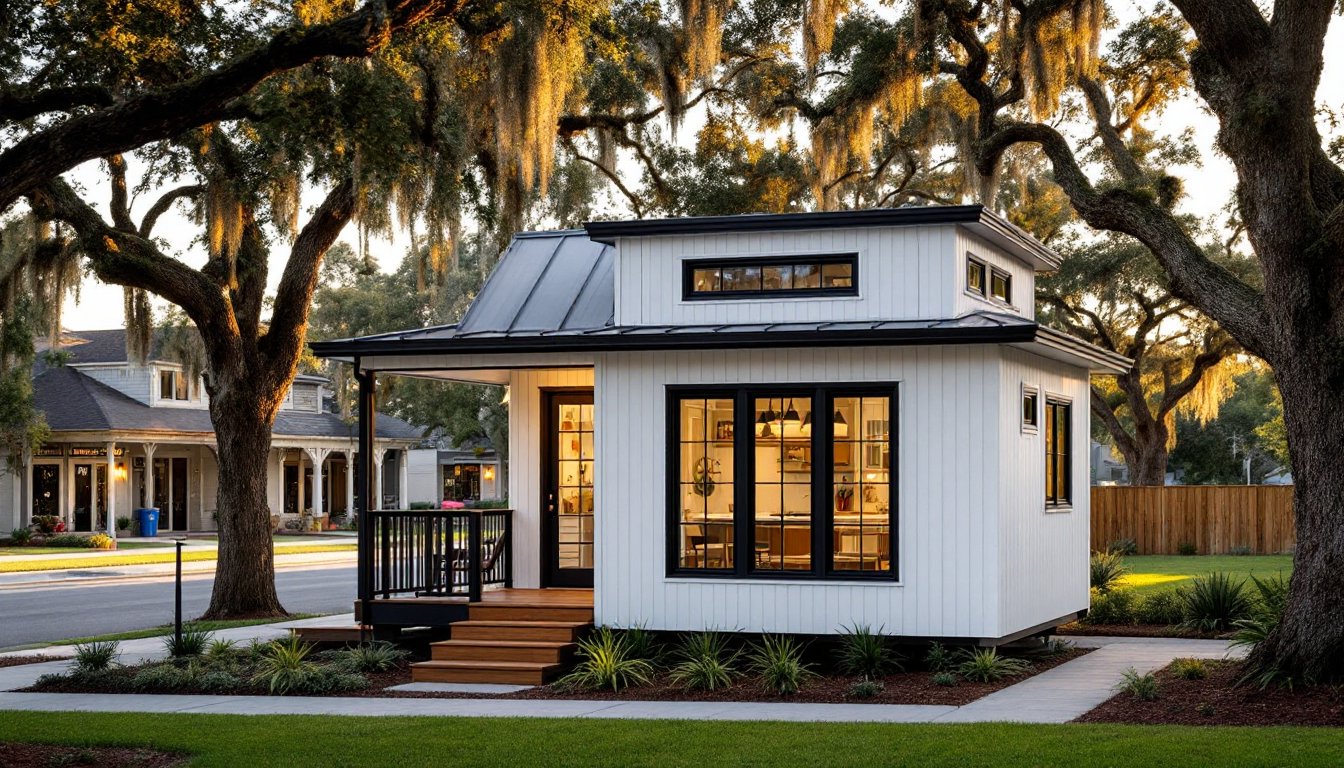
Riverside is Jacksonville’s most neighborhood-friendly tiny home option. This walkable, tree-lined corridor near downtown has charm, local restaurants, and mixed-income housing already in place, meaning a tiny home doesn’t feel out of place. Properties here appreciate steadily, and inventory moves quickly.
San Marco is pricier but solid for resale. It’s Jacksonville’s most established mixed-use neighborhood, with bikeable streets and proximity to the St. Johns River. Tiny homes here typically command higher per-square-foot values because the neighborhood’s desirability is proven.
Avondale sits just north of Riverside and offers similar walkability with slightly lower entry costs. Historic architecture and younger families moving in create stable demand.
Five Points remains an up-and-coming choice. It’s developing fast, and early tiny home buyers here are building equity as property values climb. The vibe is younger, less established than Riverside or San Marco, but with stronger growth potential.
Avoid isolated suburban pockets where tiny homes are rare and may struggle at resale. Neighborhoods matter more for tiny homes than traditional houses because they lack land equity to buffer declining demand.
What to Expect: Price Ranges and Market Trends
Tiny homes in Jacksonville typically range from $150,000 to $350,000, depending on condition, neighborhood, and customization. A 350–500-square-foot move-in-ready tiny home in Riverside or San Marco runs $220,000–$280,000. Newer builds with energy-efficient construction and modern finishes push toward $300,000+. Fixer-uppers or properties further from walkable cores can dip below $180,000.
Price per square foot for Jacksonville tiny homes averages $400–$650, compared to $150–$300 for traditional homes in suburban areas. That’s higher on a per-square-foot basis because of premium finishes, efficient construction methods, and the fact that smaller homes don’t benefit from economy of scale on labor. But, your total mortgage is dramatically lower, which is the actual financial benefit.
Market timing matters. Spring (March–May) sees the most inventory and competition. Winter and late summer offer fewer options but less buyer pressure. ImproveNet reports that renovation costs for expanding or customizing a tiny home run 15–25% higher per square foot than traditional renovations, so factor that in if you’re planning modifications.
As of early 2026, inventory is stable but not abundant. Tiny homes stay on market 20–30 days on average, shorter than traditional homes, indicating strong buyer interest. Interest rates and lending remain favorable for smaller loan amounts, making this a rational buyer’s market if you’re ready to move quickly.
Finding the Right Tiny Home: Key Features and Customization Options
When evaluating tiny homes, prioritize storage, ceiling height, and natural light, three factors that make or break livability in compact spaces. Look for homes with 9-foot or taller ceilings where possible: 8-foot ceilings in a 400-square-foot footprint feel claustrophobic.
Essential features to prioritize:
- Efficient kitchen layout: An open kitchen-living area is non-negotiable. Galley or L-shaped kitchens maximize workspace without walls.
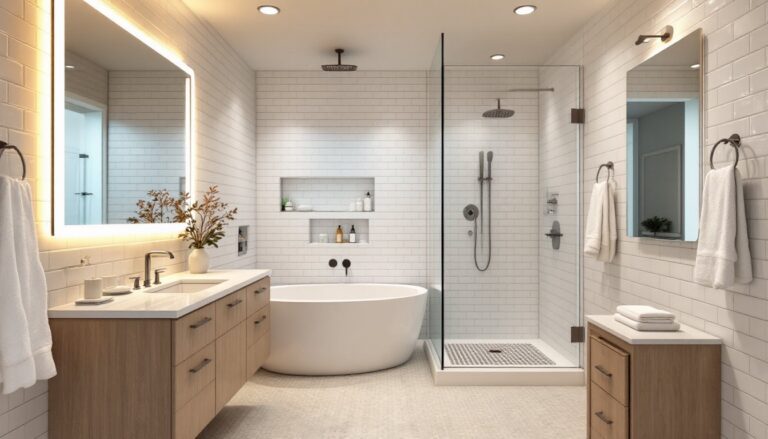
- Bathroom count: One full bath is standard for 400–500 sq. ft. A second half-bath or ensuite adds flexibility, especially for aging-in-place.
- Outdoor space: A porch, deck, or patio becomes an extension of living space. Vertical square footage matters less when you have spillover room.
- Insulation and HVAC: Inquire about R-values, ductless mini-splits, or heat pumps. Tiny homes lose or gain temperature quickly with poor construction.
- Foundation type: Crawl spaces and slab foundations are common: avoid mobile-home-style setups if you want land equity and traditional financing.
Customization options vary by property. Foundation-built homes accept major modifications: you can add a loft, bump out a wall, or expand outdoor decks with planning and permits. Modular or kit-based tiny homes offer less flexibility unless you’re willing to retrofit. Fine Homebuilding emphasizes that even small structural changes require proper load calculations and framing, so hire a local contractor for anything beyond cosmetic work.
Budget 5–10% of purchase price for desired updates. Paint, flooring, and fixture upgrades are straightforward: anything touching structure or plumbing costs more and takes longer.
Essential Steps Before Making Your Tiny Home Purchase
Don’t let emotion or a quick market outpace due diligence. Tiny homes may be smaller, but the inspection process is just as critical.
1. Get pre-approved for financing. Lenders sometimes drag their feet on tiny homes, treating them as non-standard loans. Pre-approval shows sellers you’re serious and tells you exactly what you can afford.
2. Hire a licensed home inspector. Tiny homes often have unconventional layouts or custom systems. An inspector familiar with compact homes or modular construction is worth the extra cost. Look for issues with moisture, roof integrity, and HVAC efficiency, all critical in tight spaces.
3. Verify zoning and deed restrictions. Jacksonville’s zoning varies wildly by neighborhood. Some areas allow ADUs (accessory dwelling units): others prohibit anything under 1,000 square feet. Check the deed, HOA rules, and local ordinances. Call the city planning department if anything’s unclear, a $500 phone call beats a $50,000 legal dispute.
4. Request utility bills and get a home energy audit. A tiny home’s efficiency is only real if it performs. Ask sellers for 12 months of electric, gas, and water bills. If numbers seem high, request a professional energy audit before closing.
5. Check flood maps and insurance costs. Jacksonville is low-elevation and flood-prone in spots. Even if a property isn’t in a flood zone, insurance premiums can spike with climate events. Get a flood insurance quote in writing.
6. Walk the neighborhood at different times. Visit on a weekday morning, evening, and weekend. Noise, traffic, and neighborhood character shift drastically. A walkable neighborhood should feel safe and convenient during your actual living hours.
7. Budget for tiny house kits or retrofit options. If you’re buying an older tiny home or fixer-upper, explore kit solutions for upgrades. Pre-fabricated components often fit compact spaces better than retrofit standard products.
Closing typically takes 30–45 days. Don’t rush: a few extra weeks of planning prevent costly mistakes.
Conclusion
Jacksonville’s tiny home market offers a genuine opportunity for financially savvy, lifestyle-conscious buyers. Strong neighborhoods, reasonable prices, and stable demand make it a practical market to enter. Do your assignments on neighborhood zoning, get a thorough inspection, and move deliberately, not frantically. Tiny home living isn’t a trend in Jacksonville: it’s becoming a standard housing option, which means resale potential and community acceptance are only improving.