
Table of Contents
ToggleTyler, Texas has quietly emerged as one of the most attractive destinations for tiny home buyers in the Southwest. With a lower cost of living compared to major metropolitan areas, a thriving community, and increasing local support for alternative housing, Tyler offers a compelling case for anyone considering the tiny home lifestyle. Whether you’re downsizing, seeking financial freedom, or simply want to reduce your environmental footprint, understanding the Tyler market, from zoning regulations to design possibilities, is essential to making an informed purchase decision.
Key Takeaways
- Tiny homes in Tyler, TX offer a cost-effective alternative to traditional housing, ranging from $80,000 to $400,000 depending on whether you choose pre-owned, manufactured, or custom-built options.
- Tyler’s strong economy, affordable real estate market, and growing tiny home communities make it an attractive destination for downsizers and first-time buyers seeking intentional living.
- Success with tiny homes in Tyler requires verifying zoning compliance with the Planning and Zoning Department, as accessory dwelling units and manufactured homes face specific lot-size and setback requirements.
- Financing a tiny home differs from traditional mortgages—expect 20–30% down payments and work with lenders experienced in small-property lending, including banks, credit unions, and alternative financing options.
- Partner with a real estate agent experienced in tiny homes, hire a qualified home inspector, and consult a local real estate attorney to avoid costly legal issues and ensure structural soundness.
- Maximize your tiny home’s livability through vertical storage, light-colored design, covered porches, and outdoor living spaces that extend usable area while accommodating East Texas’s heat and humidity.
Why Tyler, Texas Is Becoming a Tiny Home Hotspot
Tyler has always been known as the Rose City, but in recent years it’s become a beacon for tiny home enthusiasts. The city benefits from a strong economy driven by oil, healthcare, and education sectors, combined with an affordable real estate market that makes property ownership accessible for first-time buyers and downsizers alike.
The population has been growing steadily, but housing prices remain reasonable compared to Austin, Dallas, and Houston. This gap creates opportunity. A tiny home in Tyler can cost $150,000 to $300,000 depending on whether you buy a finished model or a plot for a custom build, significantly less than traditional homes in the region. Local property taxes are manageable, and utilities in East Texas don’t spike to the extremes of summer-scorched areas further south.
Another draw is community. Tyler residents value neighbors and neighborhood spaces, which aligns naturally with the tiny home philosophy of living intentionally. Recent developments like tiny home villages and co-housing projects have introduced density without sacrificing character. Also, a growing network of local contractors and builders familiar with small-space construction means you’re not pioneering alone.
Climate matters too. Tyler’s mild winters and long growing seasons appeal to people who want outdoor space, patios, gardens, and covered porches stretch your living square footage. Humidity and summer heat require attention to insulation and HVAC sizing, but nothing unique to the tiny home equation.
The Tiny Home Market in Tyler: What You Need to Know
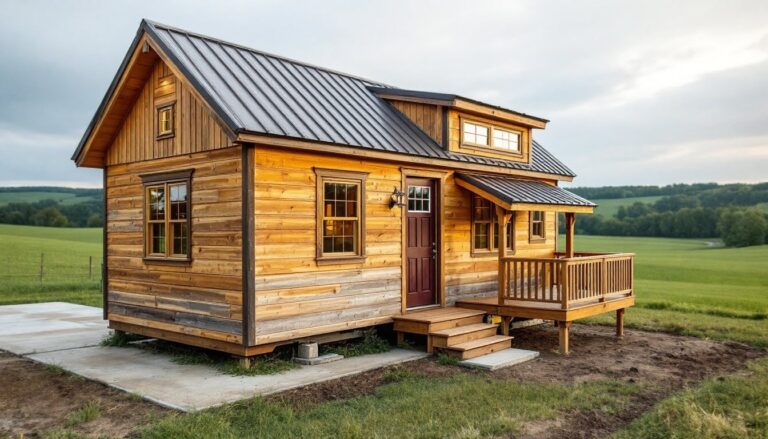
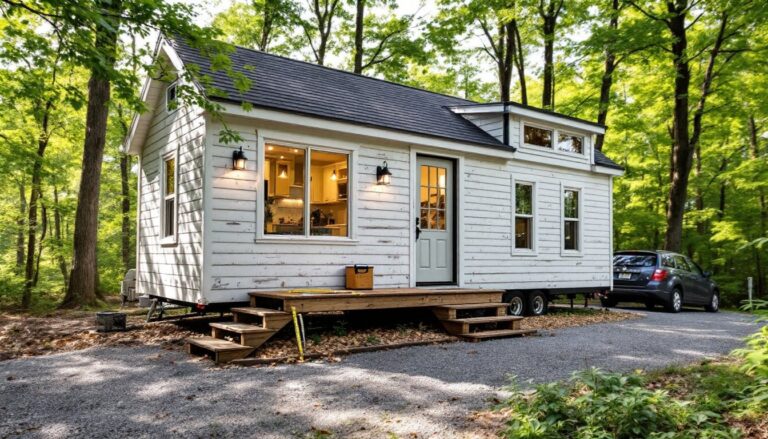
The Tyler tiny home market is still emerging compared to places like Colorado or California, but it’s accelerating. In 2025–2026, inventory has expanded to include manufactured tiny homes, RV-style trailers, modular units, and custom-built structures on owner’s land.
Pricing breakdown:
- Used and pre-owned tiny homes: $80,000–$150,000 (often found through private sellers or auctions)
- New manufactured models (park-ready): $120,000–$250,000
- Custom on-site builds: $200,000–$400,000+ depending on finishes and land
- Pre-made modular homes: $150,000–$300,000
When researching listings, you’ll find homes through traditional MLS platforms, Facebook groups, and specialist tiny home dealers. Many buyers work with real estate agents who understand the niche: ask specifically for agents experienced with small properties and non-traditional housing.
The resale market exists but is smaller than traditional housing, which means liquidity can be slower. That said, well-built, thoughtfully designed tiny homes in desirable locations or communities do sell. Local tiny home communities and parks, like some emerging near the Tyler city limits, create a built-in buyer pool.
Tiny House Mortgage options vary. Banks have become more flexible, but financing can be trickier than a traditional mortgage. Some borrowers use personal loans, RV financing (if the home is mobile), or construction loans if building custom. Down payments are often larger, expect 20–30% rather than 10–15% on a conventional home.
Finding and Buying Tiny Homes in Tyler
Step 1: Clarify your priorities. Do you want a mobile tiny home you can relocate, or a permanent structure on land? Are you seeking a finished model or raw shell to customize? This affects which listings and financing paths apply to you.
Step 2: Network locally. Join Tyler-area tiny home groups on social media, attend local real estate meetups, and call builders directly. Many sales happen off-market through word-of-mouth, especially in a growing but tight community.
Step 3: Partner with the right realtor. Not all real estate agents understand tiny homes, financing challenges, or local zoning nuances. Find someone with experience. Ask for references from previous tiny home buyers.
Step 4: Get pre-approved for financing. Before you shop, know your budget and lender options. Banks and credit unions in Tyler are increasingly savvy about tiny home loans, but you’ll move faster with pre-approval in hand.
Step 5: Inspect thoroughly. If buying used, hire a home inspector familiar with tiny homes and mobile units. Check foundation (if applicable), roof, plumbing, electrical, and any custom work. Tiny homes are built tight: any leak or poor insulation becomes a big problem.
Step 6: Verify land and utility access. Whether you own the land or are buying into a community, confirm water, sewer, and electric hookups are available or that septic/well systems are compliant. Get written utility agreements.
Many first-time buyers benefit from Tiny Homes for Beginners guides that walk through these steps in detail, particularly around financing and inspections.
Design and Interior Solutions for Tyler Tiny Homes
Once you own a tiny home, maximizing interior space becomes second nature. Tyler’s climate and local aesthetic offer unique design opportunities.
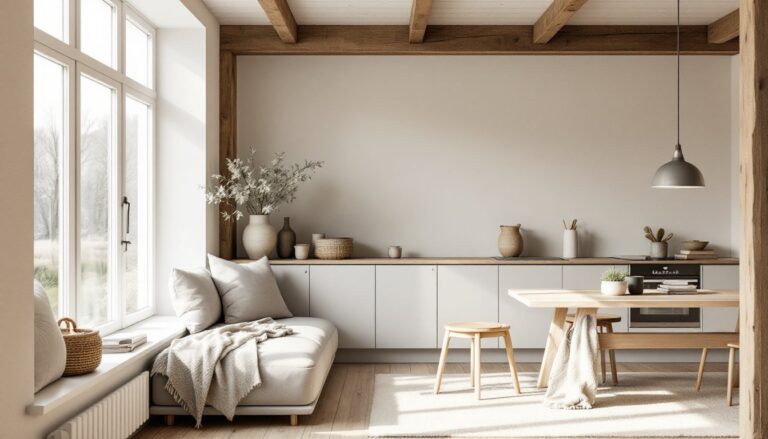
Vertical storage and built-ins. Floor space is precious: use walls aggressively. Loft bedrooms, overhead cabinets, and murphy beds are standard. Open shelving in kitchens keeps things airy rather than cave-like. Avoid clutter-maximizing décor: every item should earn its place.
Climate-responsive design. East Texas heat and humidity call for light-colored walls and ceilings to reflect heat, ceiling fans for air circulation, and strategic window placement. Covered porches extend your living area without adding heated square footage, a smart trade-off in this climate.
Outdoor living. Because your interior is tight, treat your porch or deck as extra room. A well-designed patio furniture setup and weatherproof outdoor storage can double your usable space seasonally.
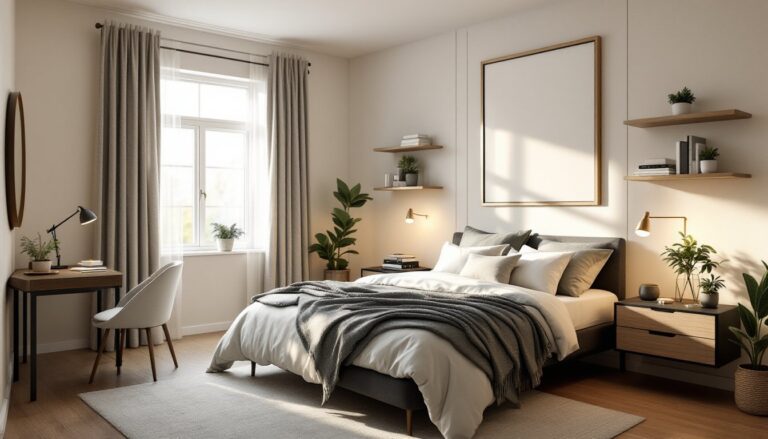
Resources like Apartment Therapy offer countless small-space styling ideas that translate directly to tiny homes. Southern design aesthetics, think light wood, whites, and naturally lit spaces, work beautifully in Tyler’s region and keep homes from feeling cramped.
Zoning and color tricks. Light, neutral walls make interiors feel larger. Area rugs and lighting define zones in open plans. Mirrors and glass partitions create visual separation without walls. Tiny Home Reviews showcase real examples of these techniques in action.
Many Tylers use their tiny homes as canvases for intentional living, fewer things, higher quality, and deliberate use of space. It’s both practical and deeply personal.
Zoning, Regulations, and Legal Considerations in Tyler
This is where many tiny home dreams hit roadblocks. Tyler’s zoning code does allow residential structures on single-family lots, but “tiny home” is not explicitly defined in municipal code, and regulations can be murky.
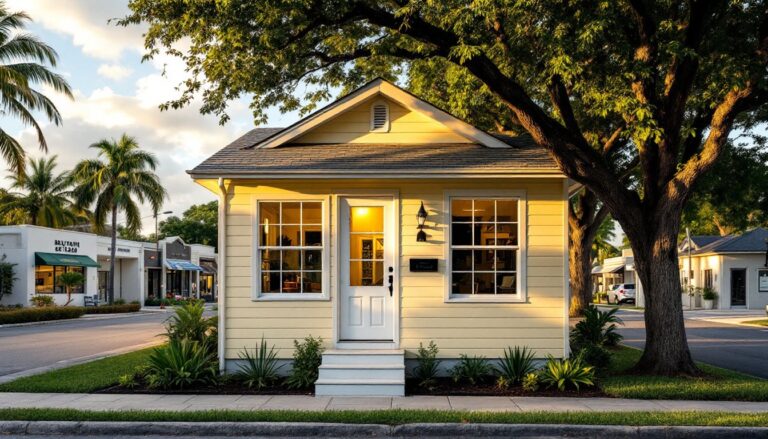
Current rules (as of 2026): Tyler allows ADUs (accessory dwelling units) under certain conditions, typically on owner-occupied property, with setback and lot-size requirements. A 150-square-foot accessory dwelling might fit these parameters, but a 400-square-foot tiny home may not. Always verify with the Tyler Planning and Zoning Department.
Manufactured homes and parks. If your tiny home is registered as a manufactured home, it’s subject to different regulations and may need to be in a designated mobile home park. This has pluses (established communities, utilities pre-run) and minuses (space rental, fewer customization options).
Custom on-site builds. If building on raw land, you’ll need permits for foundation, framing, electrical, and plumbing. Building officials will inspect to code. This adds cost and time but ensures your home is legally and structurally sound. Tiny House Legality guides dive deeper into navigating these rules.
HOA and deed restrictions. If your land has a homeowners association or deed restrictions, review them. Some explicitly prohibit small homes or non-traditional structures. A lawyer’s quick review is worth the peace of mind.
Permitting timeline. Budget 6–12 weeks for permits, inspections, and approvals on a custom build. Bureaucracy moves slowly, but it protects you.
Professional help. Hire a real estate attorney familiar with local zoning if you’re buying land or building custom. The $500–$1,500 upfront cost prevents costly legal tangles later. Tyler’s municipal office can also clarify code, but attorneys translate it into actionable guidance.
Getting Started With Your Tyler Tiny Home Journey
Ready to move forward? Start with three concrete steps:
1. Research and tour. Attend tiny home open houses and showrooms in Tyler and nearby areas. Get into real tiny homes, sit in kitchens, test storage, and feel the space. Photos deceive: 300 square feet in person is enlightening.
2. Define your non-negotiables. Is proximity to downtown Tyler essential? Do you need land for a garden or animals? Will you move or stay put? How many people will live here? These answers shape which homes and locations work for you.
3. Build your team. Identify a realtor, lender, and attorney before you’re under time pressure. Ask other tiny home owners in Tyler for referrals. A solid team accelerates the buying or building process and prevents expensive mistakes.
Tyler’s tiny home scene is young but growing. Tiny Homes Tips and community forums offer ongoing advice as you navigate ownership. Many locals are thrilled to share their experiences and connect newcomers.
Resources like Curbed track tiny home and alternative housing trends nationally, keeping you informed about evolving standards and innovative solutions that may inform your Tyler project.
Conclusion
Tiny homes in Tyler, Texas represent a real opportunity for affordable, intentional living in a welcoming community. The market is accessible, regulations are evolving, and local expertise is growing. Success hinges on honest self-assessment, thorough due diligence, and partnership with knowledgeable professionals. Start small, ask questions, and don’t rush. Your perfect Tyler tiny home is worth the time it takes to find and build it right.