
Table of Contents
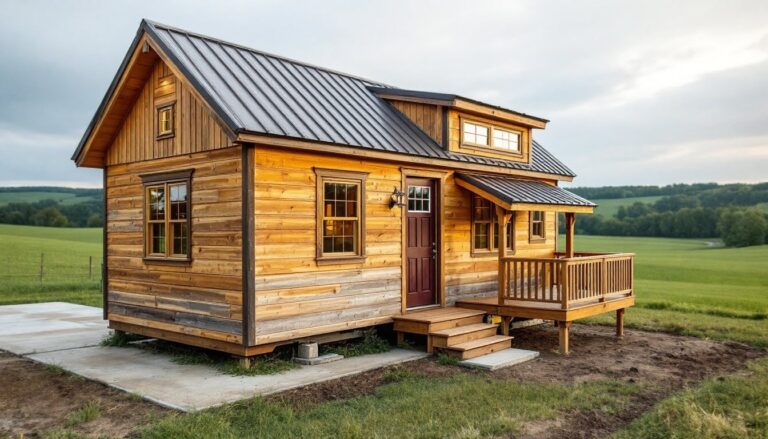
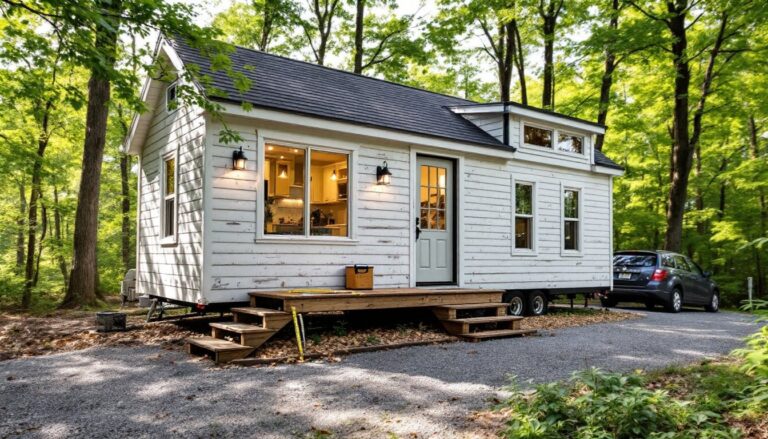
ToggleKansas is witnessing a quiet revolution in housing. Tiny homes, compact dwellings typically under 500 square feet, are reshaping how people approach homeownership in the Sunflower State. Whether you’re drawn to lower costs, sustainable living, or simpler maintenance, finding tiny homes for sale in Kansas means understanding the market, knowing where to look, and recognizing what makes Kansas an increasingly attractive hub for compact living. This guide walks you through the ins and outs of buying a tiny home in Kansas, from regional opportunities to financing options.
Key Takeaways
- Tiny homes for sale in Kansas cost 40–60% less than conventional houses, making homeownership accessible for first-time buyers, retirees, and remote workers seeking affordability.
- Top Kansas regions for tiny homes include the Kansas City metro (Johnson County, Wyandotte County), Lawrence, Wichita suburbs (Derby, Goddard), and rural Flint Hills counties, each offering different price points and lifestyle benefits.
- Kansas tiny home prices range from $40,000–$100,000 for used models to $150,000–$250,000 in Kansas City suburbs and up to $300,000 for custom-built homes with premium finishes.
- Financing tiny homes requires upfront planning, as conventional lenders impose minimum mortgage thresholds, while FHA loans, personal loans, and in-house community financing offer viable alternatives.
- Verify local zoning laws and deed restrictions before purchasing, as some municipalities restrict tiny homes, and work with realtors experienced in the tiny home market to address appraisal and comparable sales concerns.
- Tiny home ownership offers energy efficiency, lower property taxes, easier maintenance, and personalization opportunities through custom builds or design flexibility in floor plans and finishes.
Why Tiny Homes Are Gaining Popularity In Kansas
The tiny home movement has reached Kansas for solid, practical reasons. Rising property costs in traditional markets have driven buyers to explore alternatives. A tiny home typically costs 40–60% less than a conventional house, making homeownership achievable for first-time buyers, retirees, and remote workers seeking to relocate without very costly.
Kansas’s affordability, combined with spacious rural landscapes, creates a unique appeal. You can own land, build or place a tiny home, and enjoy privacy, something rare in densely populated states. Energy efficiency matters too. Smaller square footage means lower heating and cooling costs, a real benefit on the Kansas plains where temperature swings are common.
The lifestyle shift is equally compelling. Owners report less clutter, easier maintenance, and more time and money for experiences rather than property upkeep. Also, many Kansas towns are becoming tiny-home-friendly, with relaxed zoning laws and growing community networks. Families, couples, and solo homeowners are all entering the market, each with different motivations but aligned on one principle: tiny doesn’t mean compromised living.
Top Kansas Regions To Find Tiny Homes For Sale
Urban Centers And Surrounding Areas
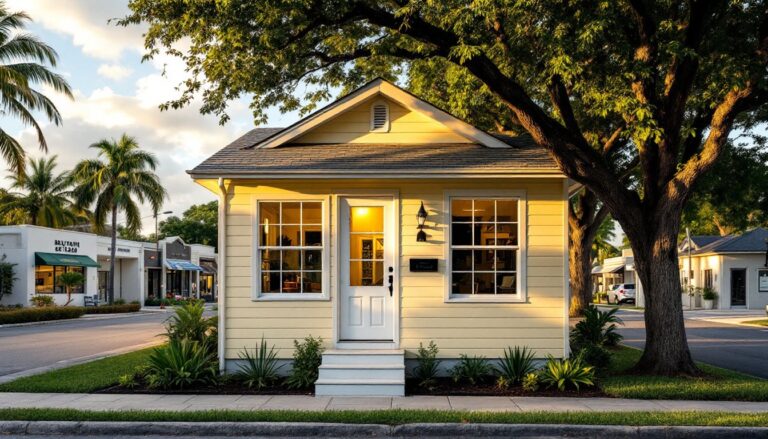
Kansas City metro areas, particularly around Johnson County and Wyandotte County, are hot spots for tiny home listings. Proximity to jobs, schools, and amenities attracts buyers who want compact living without complete rural isolation. Places like Overland Park, Leawood, and Kansas City, Kansas have seen increased tiny home developments and individual listings. Expect higher prices here but shorter commutes.
Lawrence, home to the University of Kansas, has embraced tiny homes as practical housing for students transitioning to homeownership and young professionals. The college-town vibe also means supportive infrastructure for alternative housing.
Wichita’s market is growing quietly. South-central Kansas offers lower entry prices than the Kansas City metro, and several developers are introducing tiny home communities in suburbs like Derby and Goddard. These areas appeal to buyers seeking affordability with proximity to amenities.
Rural areas like Flint Hills counties attract those seeking total privacy and land ownership. A tiny home on 5–20 acres at a fraction of metro prices is achievable here, though you’ll trade walkability and services for acreage and quiet. Water, septic, and electrical infrastructure vary, so due diligence is essential.
What To Expect: Price Ranges And Market Trends
Tiny home prices in Kansas range widely based on location, condition, and amenities. In Kansas City suburbs, expect $150,000–$250,000 for a quality new or recently built tiny home. Rural or smaller-town placements drop to $80,000–$150,000, sometimes less for fixer-uppers or bare-bones models.
Used or vintage tiny homes, including converted RVs or older mobile homes repositioned as permanent residences, can run $40,000–$100,000 depending on condition and updates. New, custom-built tiny homes with high-end finishes can exceed $300,000, though this is less common in Kansas’s current market.
Market trends favor buyers right now. Inventory is rising as builders recognize demand, and competition isn’t yet fierce in most Kansas regions. Spring and early summer see the most listings, but fall buying can mean less competition. Property taxes on tiny homes are proportionally lower, a meaningful long-term saving. But, some HOAs or municipalities still restrict tiny homes, so confirm zoning before making an offer. Recent studies on tiny home market growth show Kansas among emerging regional markets with strong buyer interest and reasonable entry prices.
Customization And Design Opportunities For Tiny Home Buyers
One of tiny homes’ greatest appeals is personalization. Unlike buying a traditional house, many tiny homes are built-to-order or allow buyer input during construction. Want a specific layout, window placement, or material choice? Builders often accommodate custom requests, especially in Kansas where competition for buyers is still building.
Design flexibility is real but bounded. A 300-square-foot footprint limits bedroom and bathroom count, but clever layouts maximize functionality. Open-concept living, murphy beds, integrated storage, and multi-use spaces are standard. If you’re buying a prefab model, you’ll choose from established floor plans, though customization options like exterior finishes, interior colors, and appliances are usually available.
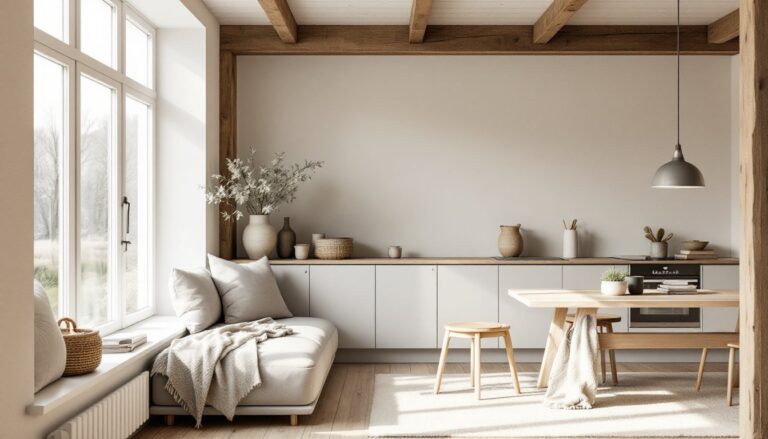
Material choices matter. Sustainable options like reclaimed wood, metal roofs, and energy-efficient windows are increasingly common and often worth the investment for long-term savings. Top Tiny Homes: The Best Compact Living Options for 2025 showcases design trends, from Scandinavian minimalism to rustic farmhouse aesthetics. If you’re buying a completed home, inspect material quality, finishes in tiny homes work harder and show wear faster than in larger homes, so durability is worth paying for.
Financing Options And Practical Considerations
Financing a tiny home differs from traditional mortgages, requiring upfront planning. Conventional lenders are increasingly comfortable with tiny homes, but loan amounts are smaller and some banks impose minimum mortgage thresholds (often $50,000–$75,000) that tiny homes just meet or miss. FHA loans can work if your tiny home meets standard construction standards, though lenders scrutinize foundation types and building certifications.
Personal loans or construction loans are alternatives, though interest rates may be higher. Some buyers use HELOC (home equity line of credit) or savings. Tiny home communities sometimes offer in-house financing or partner with lenders familiar with their models, a real advantage worth exploring.
Property appraisals are a pain point. Appraisers trained on traditional homes may undervalue tiny homes since comparable sales are limited. Work with your lender early to address appraisal concerns and provide market data supporting your purchase price. Your realtor should have comps: if they don’t, that’s a red flag.
Insurance is typically cheaper than for traditional homes due to lower replacement cost, though some insurers hesitate. Shop around: specialty tiny home insurers exist. Permits and inspections vary by municipality, some welcome tiny homes, others restrict them. Verify zoning and deed restrictions before committing. Tiny Homes for Beginners: A Complete Guide to Starting Small covers financial planning in depth. Also, platforms like HomeAdvisor offer cost estimation tools and contractor vetting if you’re considering a build versus a purchase.
Conclusion
Buying a tiny home in Kansas is viable and increasingly practical. The state offers affordability, growing inventory, and regions suited to every lifestyle, from urban Kansas City to rural Flint Hills. Understand your financing options, verify local zoning, inspect quality carefully, and work with realtors or builders familiar with tiny home nuances. With the right preparation and realistic expectations, a tiny home in Kansas can be a smart, sustainable, and satisfying investment. Your next home might just be smaller than you thought, and that’s perfectly fine.