Table of Contents
ToggleGreensboro, North Carolina has quietly become one of the Southeast’s most attractive markets for tiny home buyers. Whether you’re looking to downsize, save on housing costs, or embrace a simpler lifestyle, the Greensboro area offers surprising options and a supportive community. This guide walks you through what’s actually on the market, what prices look like, which neighborhoods are worth exploring, and how to navigate the financial and legal side of a tiny home purchase in 2026. If you’ve been curious about making the move to compact living, Greensboro is worth a serious look.
Key Takeaways
- Tiny homes for sale in Greensboro, NC typically range from $85,000 to $220,000, offering roughly half the price of comparable traditional homes while featuring modern insulation and efficient systems.
- Greensboro’s mild climate, vibrant downtown, strong job market, and forward-thinking zoning policies make it an ideal location for tiny home buyers seeking affordability without isolation.
- Establish neighborhoods like Battleground, Fisher Park, and Downtown Greensboro offer walkable communities with growing tiny home inventory, while the Piedmont area provides more land and privacy at lower costs.
- Before purchasing, confirm your property qualifies for conventional financing with local banks or credit unions, understand zoning regulations through the City of Greensboro’s planning department, and hire a real estate attorney familiar with tiny homes.
- Property taxes on tiny homes remain low at $1,200–$1,800 annually for a $150,000 home, contributing to genuine long-term financial savings compared to traditional housing.
- Negotiate earnestly on tiny home prices, as the market is less competitive than traditional homes—successful buyers often secure $5,000–$15,000 discounts by identifying deferred maintenance issues.
Why Greensboro Is Becoming a Tiny Home Hotspot
Greensboro’s appeal for tiny home buyers comes down to three solid reasons: affordability, livability, and forward-thinking local attitudes. Unlike coastal markets where land and construction costs continue climbing, Greensboro remains relatively affordable while offering a vibrant downtown, strong job market, and access to cultural amenities. The city’s population growth and ongoing revitalization efforts mean neighborhoods are improving without the price tag of established metropolitan areas.
The tiny home movement aligns naturally with Greensboro’s values. Local builders and developers have begun recognizing the demand, and city officials have become more receptive to alternative housing models. This creates a rare window where buying a tiny home doesn’t require fighting zoning battles or moving to an isolated community. Real estate data shows strong interest in compact living across the Southeast, and Greensboro is positioned right in the middle of that trend.
Beyond economics, Greensboro’s climate suits tiny home living year-round. Mild winters mean minimal heating costs, and the area’s parks, trails, and outdoor spaces make up for indoor square footage limitations. If you’re considering tiny homes but worried about feeling cramped, Greensboro’s outdoor culture offers a natural escape valve.
Current Tiny Home Listings and Price Range in Greensboro
What To Expect Budget-Wise
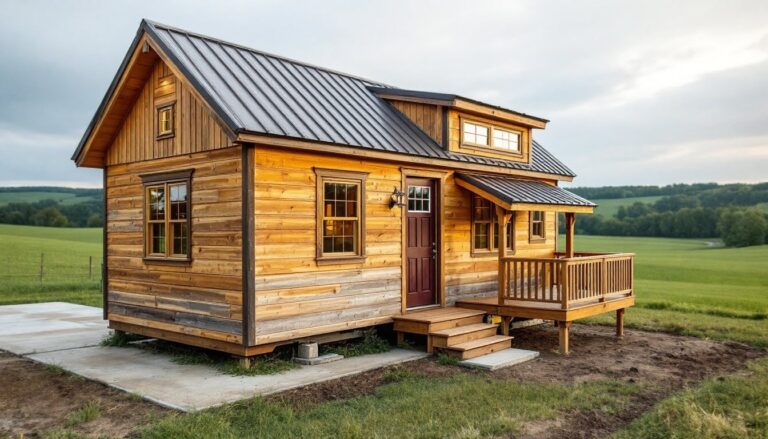
Tiny home pricing in Greensboro typically ranges from $85,000 to $220,000, depending on construction quality, age, location, and whether the home sits on owned land or within a community. New, professionally built tiny homes on foundations run higher, often $150,000 to $220,000, while older models or those on rented land might sell for $85,000 to $130,000.
For context, a quality, move-in-ready tiny home in Greensboro costs roughly half what a comparable traditional home would in the same area. That price advantage is the primary draw for most buyers. But, don’t confuse low price with low quality. Today’s tiny homes built by reputable local builders often feature modern insulation, efficient HVAC systems, and sustainable materials that justify their cost.
Market conditions in 2026 favor buyers more than they did in 2024-2025, with a steadier inventory and less panic-buying. Most available listings are in the 300–600 square foot range, with one or two bedrooms. Expect to see increasing options for models specifically designed for retirees and remote workers, reflecting demographic shifts in the market.
Price fluctuates by neighborhood. Homes in established tiny home communities near downtown Greensboro command premiums because of walkability and amenities. Rural or suburban properties on the edges cost less but may require more travel for work or services.
Key Neighborhoods and Communities for Tiny Home Buyers
Several Greensboro neighborhoods have become magnets for tiny home purchases. Battleground, near UNCG, attracts younger professionals and academics: it’s walkable, trendy, and prices reflect that popularity. Fisher Park, historically one of Greensboro’s most desirable areas, is starting to see small-lot infill with compact homes, though prices are firm.
If you want established community structure, North Carolina’s emerging tiny home parks (both within and near Greensboro) offer organized infrastructure, community events, and simplified HOA arrangements. These eliminate the isolation some people fear from tiny living. Residents benefit from shared amenities and the built-in social network.
Downtown Greensboro and its adjacent neighborhoods offer urban living at an accessible price. Lofts and converted historic buildings often include compact units that function like tiny homes. These appeal to buyers seeking walkable, urban lifestyles without the cost of larger East Coast cities.
The Piedmont area, just outside Greensboro proper, offers more land for the money. Tiny homes here often sit on 0.5- to 1-acre lots, appealing to buyers who want privacy but still crave compact living. Commutes to downtown are 15–25 minutes, a reasonable trade-off for more breathing room.
Before settling on a neighborhood, visit at different times of day. A quiet street at 10 a.m. might feel very different at 5 p.m. traffic time. Talk to existing residents, they’ll tell you about noise, parking, and the actual vibe of the place.
Financing and Legal Considerations for Tiny Home Purchases
Zoning Laws and Regulations in Greensboro
Financing a tiny home works like financing any home, mortgage lenders evaluate your credit, income, and the property’s value. But, some lenders still hesitate on properties under $100,000 or homes on wheels, so your first step should be confirming that your chosen property qualifies for conventional financing. Credit unions and local banks often prove more flexible than national lenders on tiny home loans.
Greensboro’s zoning regulations have evolved to accommodate tiny homes, but they’re not uniform across the city. Most residential zones now permit ADUs (accessory dwelling units) on existing lots, which opens possibilities for homeowners looking to add a tiny home to their property. The City of Greensboro’s planning department maintains current zoning maps and regulations, and a 30-minute phone call can clarify what’s allowed in your target neighborhood.
Key regulations to understand: minimum lot sizes, setback requirements, and height restrictions. Some zones require a minimum lot of 6,000 square feet: others are more flexible. Mobile tiny homes face different rules than foundation-built units, and these vary by location within Greensboro.
Permits are necessary for foundation-built homes and substantial renovations. The process takes 4–8 weeks in Greensboro’s planning department. Don’t skip this, unpermitted work creates liability and complicates future sales. Budget $500–$1,500 for permit costs, depending on the scope.
Property taxes on tiny homes are low by design. A $150,000 tiny home typically generates annual property taxes of $1,200–$1,800 in Guilford County, depending on assessed value. This remains one of the genuine financial advantages of tiny home ownership.
Work with a real estate attorney familiar with tiny homes, not all are. They’ll review deed restrictions, HOA agreements, and ensure clear title. This costs $800–$1,500 but prevents costly problems later.
Tips for Finding the Right Tiny Home in Your Budget
Start with online marketplaces, but don’t limit yourself to “tiny homes” tags, search for ADUs, cottage homes, and small houses too. Zillow, Redfin, and local MLS databases all carry listings. Real estate agents in Greensboro increasingly specialize in smaller properties, so hiring one familiar with the market saves time and prevents overpaying.
Visit properties in person, and bring a camera or take notes. Measure rooms yourself, claimed dimensions sometimes inflate. Check water pressure, appliance condition, and insulation quality. Tiny homes are built tighter than traditional homes, so mechanical systems work harder. Ask for recent utility bills to understand actual heating and cooling costs.
Inspect the foundation or undercarriage carefully. For mobile tiny homes, corrosion, damp spots, or previous repairs signal bigger problems ahead. A $300 pre-purchase inspection by someone who understands small homes is worth every cent.
Consider future resale. Not all tiny homes appreciate like traditional houses, especially if they sit in less desirable neighborhoods or lack clear zoning approval. A thoughtfully located property near employment hubs or established communities holds value better. When comparing options, imagine selling it five years from now, does the location still make sense?
Negotiate earnestly. The tiny home market is less competitive than traditional homes, so sellers often have room to move. If something needs repair, factoring that into your offer is more effective than hoping to fix it later. Many tiny home buyers successfully negotiate $5,000–$15,000 off asking price by identifying deferred maintenance.
Don’t rush. The market won’t disappear, and patience lets you find a property that actually fits your lifestyle and budget, not just something available immediately.