
Table of Contents
ToggleA dining table in a small kitchen can feel like an impossible trade-off: comfort versus square footage. But it doesn’t have to be. The right small kitchen dining table doesn’t just save space, it can anchor your kitchen, provide functionality, and become a real gathering spot instead of a leftover corner. Whether you’re working with a galley kitchen, a studio, or just a compact eating area, these seven space-saving solutions prove that size isn’t the enemy of good design. From wall-mounted surfaces to clever storage hybrids, there’s a table out there that fits your layout, your lifestyle, and your kitchen’s unique constraints.
Key Takeaways
- Wall-mounted fold-down tables solve small kitchen dining by collapsing flat against the wall and deploying in seconds, using heavy-duty brackets rated for 150+ lbs and ¾-inch solid materials to prevent warping.
- Multi-functional small kitchen dining tables with built-in storage (drawers, lift-tops, under-seat compartments) eliminate the need for separate furniture and maximize limited floor space for dining and organization.
- Round pedestal tables with 36-inch diameters seat four comfortably while corner nooks integrate benches along walls to create cozy, space-efficient eating areas that maintain open sightlines.
- Drop-leaf and expandable designs transform from compact 30″ × 28″ everyday surfaces to full-sized tables for entertaining by using quality brass or steel hinges and solid wood construction rated to resist warping.
- Kitchen islands with 24″ × 48″ footprints and integrated bar seating merge prep, cooking, and dining in one spot, using proper 36-inch counter height with 15-inch barstool clearance for comfort.
- Material durability matters most in small spaces—solid wood develops appealing patina, satin or semi-gloss finishes resist kitchen wear, and edge sealants protect laminate seams from water damage and spills.
Wall-Mounted and Fold-Down Tables
Wall-mounted tables are the Swiss Army knife of small kitchens. A 20″ × 24″ fold-down table can go from nearly invisible (folded flat against the wall) to a fully functional dining surface in seconds. These work especially well in kitchens where floor space is at a premium.
Mounting requires finding a stud in your kitchen wall and securing a heavy-duty French cleat or bracket system. Use lag bolts or structural screws rated for 150+ lbs per bracket, this isn’t where you skimp on hardware. A single-person job is possible, but having a helper to stabilize the table while you drill and secure brackets makes it cleaner.
The top should be solid wood, plywood, or laminate, ¾-inch thick minimum to resist warping. Avoid anything thinner, it’ll sag under plate weight. Hardwood edges hide plywood edges cleanly and feel more finished. Budget around $150–$400 depending on material and bracket quality. Folding mechanisms vary: butterfly hinges require a prop rod when extended, while piano hinges (continuous hinge) support the table without extra bracing but cost more upfront.
Consider finish carefully. Semi-gloss or satin polyurethane stands up to spills and heat better than matte. Paint it to match your kitchen trim or go natural wood if you prefer warmth. This setup works equally well over a counter or floating freely from wall studs.
Multi-Functional Tables With Storage
A table that pulls double duty, dining and storage, deserves serious consideration in tight quarters. Ottomans with lift-tops, benches with under-seat compartments, and tables with drawers let you hide kitchen linens, cookbooks, or overflow pantry items without eating more floor space.
Look for solid wood construction (not particleboard) with quality hinges and gas struts if the lid is heavy. Wooden frames rated for 200+ lbs of seating ensure longevity. A 36″ × 18″ storage bench with a removable cushion top can serve as extra counter space when you’re prepping for a dinner party, then flip to dining when guests arrive.
Drawers should use ball-bearing glides rated for full-extension, meaning they slide all the way out without tipping. Particle-based drawers with cheap tracks fail fast. If building custom, use ½-inch plywood for drawer boxes and size openings to standard dimensions, a 12″ × 12″ drawer fits most kitchen textiles and doesn’t create dead space.
Finish matters. Granite countertop ideas often influence table finishes, if your kitchen leans modern with stone, pair it with sleek, lacquered storage pieces. If rustic, go reclaimed wood with natural stain. Budget $300–$800 for a solid, durable piece that won’t warp or fail after a year of use.
Round Tables and Corner Nook Solutions
Round tables are the underdog of small kitchens. A 36-inch round table seats four comfortably without the awkward dead space corners that square or rectangular tables create. The lack of sharp edges also means fewer bruised shins in tight spaces, a real benefit when you’re navigating a kitchen measuring 9 feet wide.
Pedestal bases are your friend here: they eliminate bulky legs and let you pull chairs in tight. Look for a table with a 12-inch clearance minimum between the top and base, so place settings don’t rub the pedestal. Solid wood or quality veneer tops handle daily wear better than laminate, though laminate is cheaper and easier to wipe clean.
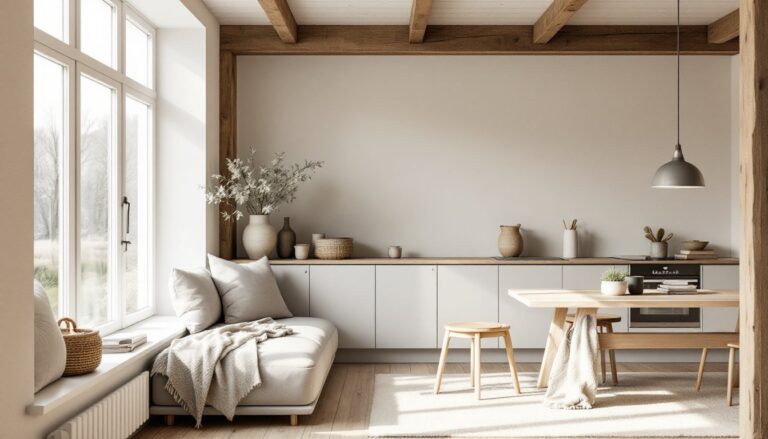
Corner nooks take this a step further. A bench running along two perpendicular walls with a round or square table pulled into the corner creates a cozy, space-efficient eating area. The bench provides storage beneath the seat, and wall-facing position keeps sightlines open into the rest of the kitchen. Nook depth should be 18–20 inches minimum, less and it feels claustrophobic: more and you can’t reach your food comfortably.
Build or buy? Custom nooks run $1,200–$2,500 including the bench and table. Ready-made corner sets come in at $400–$900 and are faster to install, though they lack custom fit. Either way, ensure the backing board sits flush to the wall (not ¼-inch gaps, they collect crumbs and look sloppy). Tiny Homes Ideas frequently feature corner nooks because they maximize every inch.
Compact Expandable and Drop-Leaf Designs
Drop-leaf tables are the chameleon of dining. A 30″ × 48″ table with two 10-inch leaves can shrink to 30″ × 28″ for everyday use, then expand when guests come over or you need counter space. They’re smarter than they look.
Material choice matters more here than with static tables. Solid wood expands and contracts with humidity, expect movement, especially in kitchens with dishwashers or near windows. ¾-inch hardwood is the minimum thickness to resist warping. Leaves should hinge with quality brass or steel hinges, not plastic. That metal-on-metal hinge costs more upfront but outlasts three cheap alternatives.
Proportions matter. Leaves should be proportional to the main surface (a 10-inch leaf on a 30-inch-wide base feels balanced: a 6-inch leaf looks stingy). When leaves are up, the table shouldn’t wobble, a good pedestal base or four sturdy legs with corner bracing prevents this. Avoid spindly legs: they’re fragile and look unstable when fully extended.
Extendable tables with a removable center drop-in (not leaves that pivot from hinges) are also solid. You store the extra panel separately, slide the top apart, and insert it. This design simplifies leaf storage and looks cleaner when collapsed. Budget $400–$1,200 for quality wood drop-leaf construction. Budget $200–$500 for particle-board versions, but expect them to loosen and wobble within three years.
Kitchen Islands With Integrated Seating
A kitchen island with seating is often the most practical small kitchen dining solution because it merges prep work, cooking, and eating into one footprint. A 24″ × 48″ island with a 12-inch overhang and three bar stools provides seating without consuming floor space like a separate table.
Height is critical: standard 36-inch counters with 15-inch barstool height leaves a 21-inch gap, perfect for legs and laps. Oversized stools or thick cushions encroach on this space and make sitting uncomfortable. Look for stools with swivel bases and footrests, ideally with a 10-degree back lean. They’re pricier but your back will thank you during a long breakfast.
Island construction depends on whether you’re modifying an existing island or building new. A solid wood base (not hollow MDF with a veneer) should be braced internally to resist wobbling when someone leans on the counter. Use ½-inch plywood for cabinet sides and ¾-inch for shelves to prevent sagging. If you’re installing electrical (which many small kitchens want for a toaster or charging station), run Romex wire through notched studs before attaching sides, and install a GFI outlet as required by the National Electrical Code.
Countertop surface on the eating side should match your prep surface, quartz, laminate, or solid surface all work. Avoid natural stone (granite, marble) on the public side of islands because spilled wine and acidic foods etch it. The Kitchn has extensive content on island design and sizing that can guide proportions. Budget $800–$2,500 for a custom island: ready-made units run $400–$1,500 but often lack durability.
Materials and Styling for Small Spaces
Material choice is as important as table shape. In a small kitchen, every surface gets scrutiny, and cheap materials wear fast and look worse for it.
Wood remains the most forgiving. A solid wood table in walnut, oak, or maple darkens with age and coffee spills, these become patina, not stains. Plywood with veneer is budget-friendly but shows chipout at edges easily: use iron-on edge banding or hardwood strip edges to reinforce. Laminate and melamine offer durability and easy cleanup (crucial in a kitchen) but show water damage if spills seep into seams. Protect seams with edge sealant.
Glass tops make small spaces feel airier by not blocking sightlines, but they require constant wiping and show every fingerprint and dust particle. They also reflect light in ways that can feel cold. If you choose glass, pair it with warm wood or painted metal base.
Finish considerations: Matte finishes hide watermarks but show dust. Satin finishes balance both. High-gloss finishes look premium but require frequent polishing. For a kitchen table, satin or semi-gloss polyurethane or lacquer hits the sweet spot, durable, easy to wipe, and professional-looking.
Color and style should echo your kitchen. Remodelista’s small dining table roundup emphasizes minimalist tables that don’t visually clutter. If your kitchen is busy (open shelving, patterned backsplash), choose a simple, neutral-colored table base. If your kitchen is minimal, a statement table or bold color becomes the focal point. Homify’s collection showcases 15 small-space solutions, browse for proportion and finish inspiration relevant to your style.
Pro tip: Tables with lower profile bases (under 18 inches of leg height) look less visually intrusive in tight spaces than those with tall, complex legs.
Conclusion
The best small kitchen dining table is the one you’ll actually use and maintain. Focus on durability, quality materials, solid joinery, and finishes rated for kitchen wear. Measure twice: understand your kitchen’s exact floor space, wall clearance above and around where the table sits, and clearance when chairs are pulled out (typically 36 inches from table edge to wall or appliance). Don’t choose based on style alone: a beautifully designed table that’s wobbly or shows water damage within a year costs more in frustration than a practical solution that lasts. Small kitchen design thrives on smart choices, not sacrifices.