Table of Contents
ToggleMustard seed tiny homes represent a practical answer to rising housing costs and the desire for simpler, more intentional living. Named after the biblical parable of growth from small beginnings, these compact dwellings typically range from 300 to 400 square feet and pack everything a household needs into a thoughtfully designed footprint. Whether you’re downsizing, seeking financial freedom, or simply tired of maintaining a sprawling house, mustard seed tiny homes offer a legitimate path forward. They’re not a trend, they’re a housing solution gaining traction among homeowners who want to build equity without drowning in a 30-year mortgage.
Key Takeaways
- Mustard seed tiny homes cost $60,000–$100,000 to build, dramatically lower than traditional homes while saving $300–$600 monthly in utilities, taxes, and maintenance over a 10-year period.
- These compact dwellings (300–400 sq ft) feature space-saving layouts with lofted bedrooms, vertical storage, and open floor plans that eliminate wasted square footage and maintain comfort and functionality.
- Zoning laws vary significantly by location, so research your county’s regulations early—some areas prohibit tiny homes entirely while others require placement in designated communities.
- Mustard seed tiny homes support sustainable living through lower embodied carbon, reduced energy consumption, and simplified systems like solar panels, composting toilets, and rainwater catchment.
- DIY customization opportunities—from painting and flooring to cabinet modifications and built-in furniture—let owners personalize interiors affordably without major renovation expenses.
- Proper planning of utilities, permits, land preparation, and a 20% budget contingency are essential; skipping basics like foundation leveling or electrical code compliance leads to expensive failures.
What Are Mustard Seed Tiny Homes?
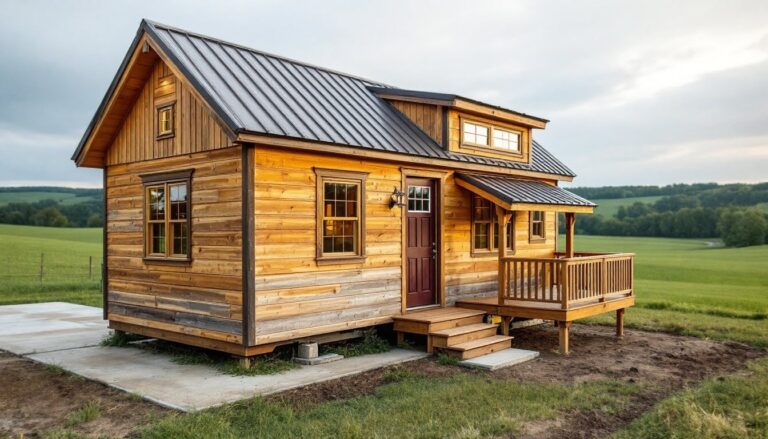
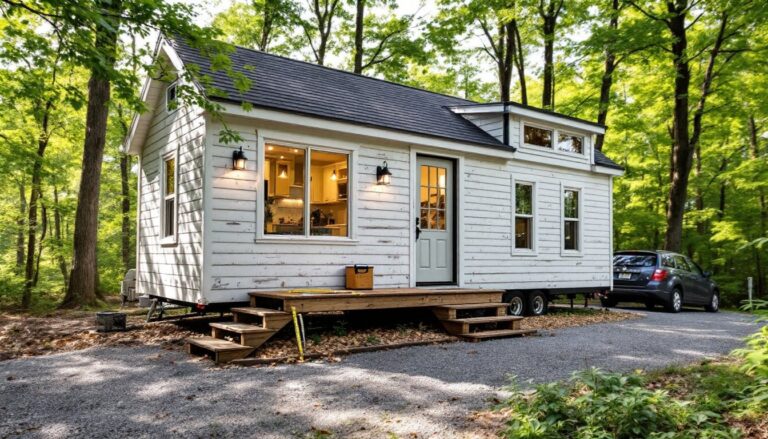
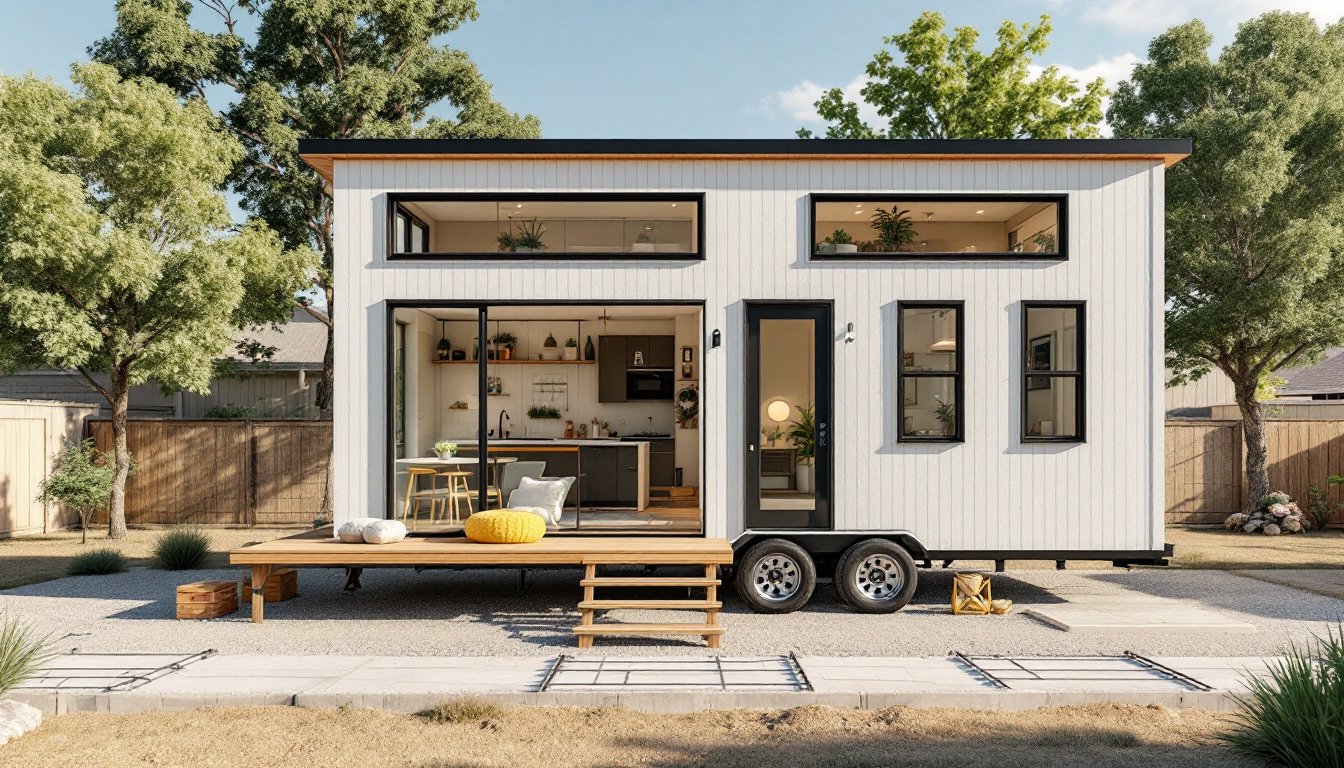
Mustard seed tiny homes are permanently or semi-permanently situated dwellings designed for single occupants, couples, or small families. Unlike traditional mobile homes, these units emphasize quality construction, modern finishes, and energy efficiency. Most sit on a standard 8-by-40-foot foundation or smaller, though custom builds vary. The movement gained momentum in the 2010s as builders and homeowners recognized the gap between traditional housing and actual lifestyle needs.
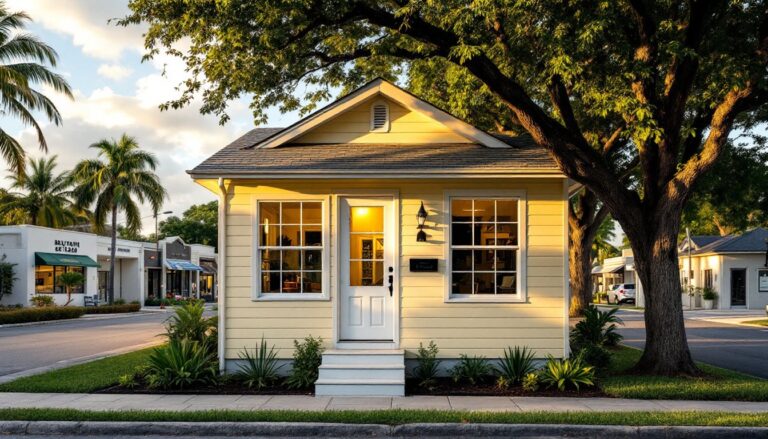
These homes differ from RVs because they’re built to residential standards with proper insulation, permanent utilities, and building-code-compliant electrical and plumbing systems. They’re also distinct from accessory dwelling units (ADUs) in that they’re intended as primary residences. A typical mustard seed tiny home includes a sleeping loft, full kitchen, bathroom, living area, and storage. The key philosophy: eliminate excess space and expense while maintaining comfort and functionality.
Key Features And Design Elements
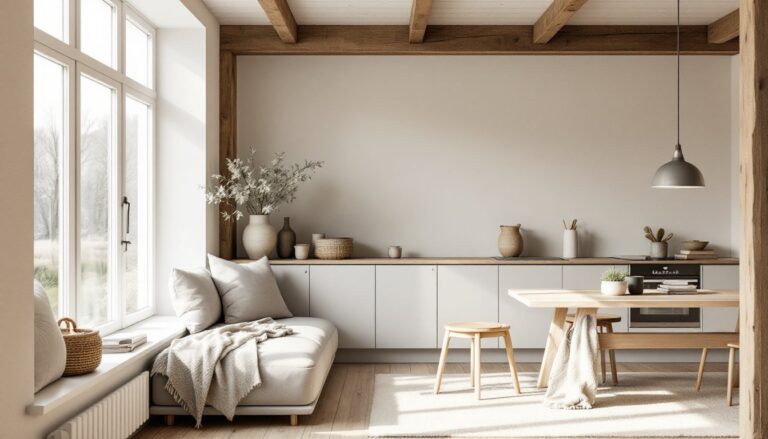
Mustard seed tiny homes share design principles that maximize livability in minimal square footage. Most feature open floor plans to prevent the space from feeling cramped, with the kitchen flowing directly into the living area. Vertical storage, tall cabinets, wall shelves, and overhead racks, replaces traditional closets. Lofted bedrooms are standard, accessed by steep stairs or ladders, which saves roughly 100 square feet on the main level.
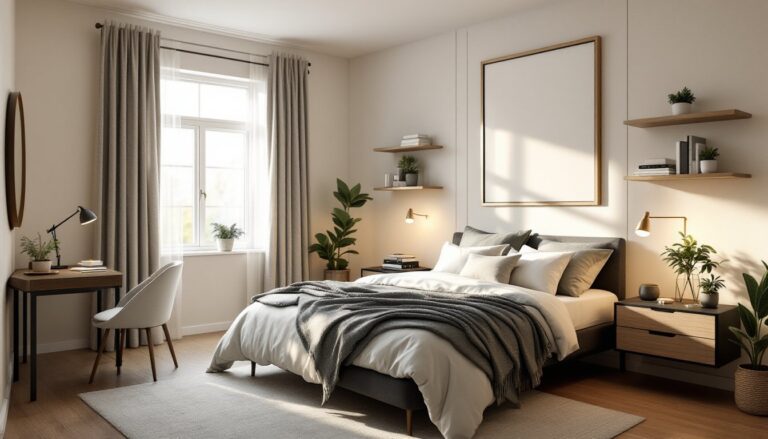
Energy efficiency is built in from the start. Double-pane windows, spray-foam insulation, and Energy Star appliances keep utility bills low. Many units include a small deck or porch that effectively extends living space outdoors. Flooring is typically laminate or luxury vinyl plank (LVP) for durability and easy maintenance, practical choices for high-traffic areas. Storage beds, murphy-style desks, and multi-functional furniture are common, though you’ll add your own pieces over time.
Space-Saving Layouts
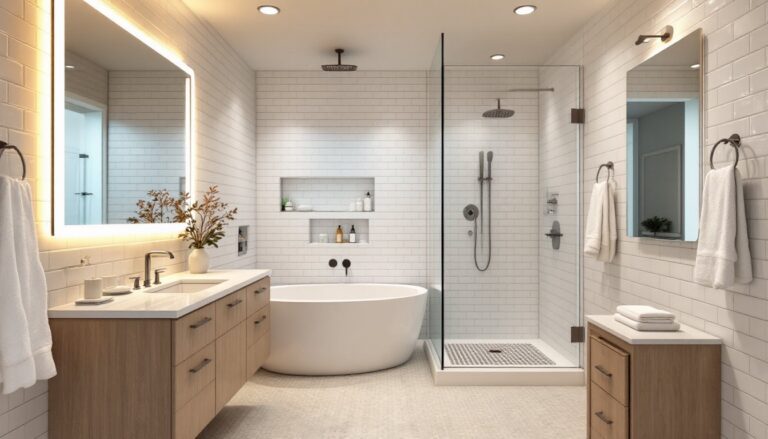
The hallmark of mustard seed design is the elimination of wasted square footage. Hallways are minimal: doors open directly into rooms. Bathrooms are compact but fully functional, often featuring a shower-tub combo or walk-in shower without a tub. Kitchens use restaurant-style efficiency, everything within three steps. Many layouts include a “flex room”, a space that works as a home office, guest sleeping area, or nursery depending on your needs.
Wall placement is critical in these designs. Load-bearing walls must support the structure, while non-load-bearing interior walls can be repositioned during a build or renovation. If you’re customizing your layout, understanding which walls are structural (and require engineering approval) versus cosmetic is essential. This Tiny Homes Techniques: Smart Building Methods for Small Spaces guide covers layout optimization in detail.
Cost Comparison: Tiny Homes Vs. Traditional Housing
The financial case for mustard seed tiny homes is compelling. A typical new tiny home costs $60,000 to $100,000 fully built and ready to occupy, depending on finishes and custom features. Traditional stick-built homes in most markets start at $250,000 to $400,000 and climb steeply from there.
But purchase price is only half the story. Monthly expenses shrink dramatically. Utilities drop 50–70% because you’re heating and cooling 300 square feet instead of 2,000. Property taxes scale to land value, which is typically lower. Insurance costs less. No large lawn means zero landscaping expenses or equipment upkeep. Over a 10-year ownership period, monthly savings easily reach $300–$600 compared to a traditional mortgage plus maintenance.
Location and zoning affect total cost. Rural land is cheaper, but urban and suburban lots command premiums. Some areas restrict tiny home placement to designated communities, which limits flexibility but ensures neighborhood stability. Financing remains the biggest barrier, many conventional lenders won’t touch tiny homes, so you’ll explore personal loans, builder financing, or cash purchases. Building it yourself cuts costs significantly but adds hundreds of hours of labor and requires construction knowledge.
Customization And DIY Opportunities
One appeal of mustard seed tiny homes is the scope for personalization. Interior finishes, cabinetry, countertops, flooring, paint, lighting, offer endless customization without the expense of a full house renovation. If you’re handy, you can tackle many upgrades yourself.
Paint and wall finishes are the easiest DIY wins. A fresh coat transforms the aesthetic for under $200. Use quality interior paint rated for high-traffic areas: cheaper paint shows wear faster in small spaces. Prep surfaces properly, sand, fill, prime, or the finish will disappoint.
Cabinet modifications are another sweet spot. Adding open shelving above existing cabinets, installing pull-out organizers, or painting cabinet fronts costs $500–$1,500 and makes a massive functional difference. Ensure your fasteners hit studs: cabinets bear real weight in a tiny home.
Flooring updates are doable if you’re comfortable with basic power tools. Luxury vinyl plank (LVP) installs over existing floors with minimal prep. Tile requires substrate work and waterproofing if it’s near wet areas. Both are feasible for a motivated DIYer with a miter saw, drill-driver, and patience for detail work.
Built-in seating, fold-down tables, and custom shelving require carpentry fundamentals. Miter joints, dadoes (grooved recesses for shelves), and pocket hole joinery are achievable skills. If you’re building from the foundation up, you’ll need to understand framing basics: stud spacing (typically 16 inches on center), joist sizing for load distribution, and header sizing for openings. This is where building codes matter, improper headers over windows or load-bearing walls create safety and liability issues. Tiny Homes for Beginners: A Complete Guide to Starting Small walks through beginner-friendly customization projects.
Community Living And Sustainability Benefits
Mustard seed tiny homes often cluster in intentional communities, where owners share common spaces, gardens, and utilities infrastructure. This social aspect appeals to people seeking connection without the isolation of suburban sprawl. Shared gardens reduce individual food costs and build neighborhood bonds. Some communities offer shared workshops, guest facilities, and event spaces.
Sustainability is woven into the model. Smaller footprints mean lower embodied carbon (the energy and materials used to build). Energy consumption drops sharply. Many tiny home owners install solar panels, a $10,000–$15,000 investment that makes financial sense over 15+ years, especially if you own the land and can avoid rooftop rental agreements. Water usage is inherently limited: low-flow fixtures and rainwater catchment systems are easier to carry out in a small footprint.
Waste reduction follows naturally. You can’t accumulate as much stuff in 300 square feet, which nudges conscious consumption. Composting toilets and greywater systems are more practical than in larger homes. These upgrades require permitting in most jurisdictions, check local sanitation codes before proceeding. Communities focused on sustainability often guide members through compliant systems.
Designers at Apartment Therapy frequently showcase tiny home transformations emphasizing sustainable materials and minimal-waste decorating. The intersection of small-space living and environmental responsibility has become a core conversation in the tiny home movement.
Getting Started With Mustard Seed Tiny Homes
Starting with a mustard seed tiny home demands honesty about your needs, budget, and timeline.
Step one: Assess your situation. Are you downsizing, starting fresh, or seeking a rental-income property? Do you own land, or do you need to purchase or lease? Can you finance it traditionally, or are you paying cash? These answers narrow your options significantly.
Step two: Research local zoning. Zoning laws determine where tiny homes are allowed. Some municipalities prohibit them entirely: others require them in designated communities. A call to your county planning department costs nothing and saves months of wasted effort. Some areas define tiny homes by square footage, others by lot size or occupancy. Know your jurisdiction’s rules before committing.
Step three: Choose your builder or building path. Pre-built units ship ready to place: custom builds take 6–12 months but match your exact vision. DIY construction is possible but requires substantial skill, time, and permits. How to Build a Tiny Home: A Complete Beginner’s Guide covers the building process in depth.
Step four: Plan utilities and placement. Electrical service must meet NEC (National Electrical Code) standards. Plumbing requires licensed work in most places. Septic or municipal sewer hookups involve site-specific calculations. A foundation (concrete pad, skids, or permanent blocks) must be level and properly compacted. Don’t skip these basics, poor utilities or settling foundations cause expensive failures down the road.
Step five: Budget realistically. Land, site prep, utilities, permits, and furnishings add up fast. A “cheap” $50,000 tiny home on unimproved land can cost $150,000+ by the time everything’s finished and legal. Factor in a 20% contingency for surprises. Tiny Homes Tips: Essential Advice for Small Space Living addresses common budgeting pitfalls and realistic timelines.
Final thought: Talk to people living in mustard seed tiny homes. Tour models, ask about regrets, and understand the trade-offs of intentional downsizing. Tiny Home Reviews: Discover features real owner experiences and design lessons learned.