
Table of Contents
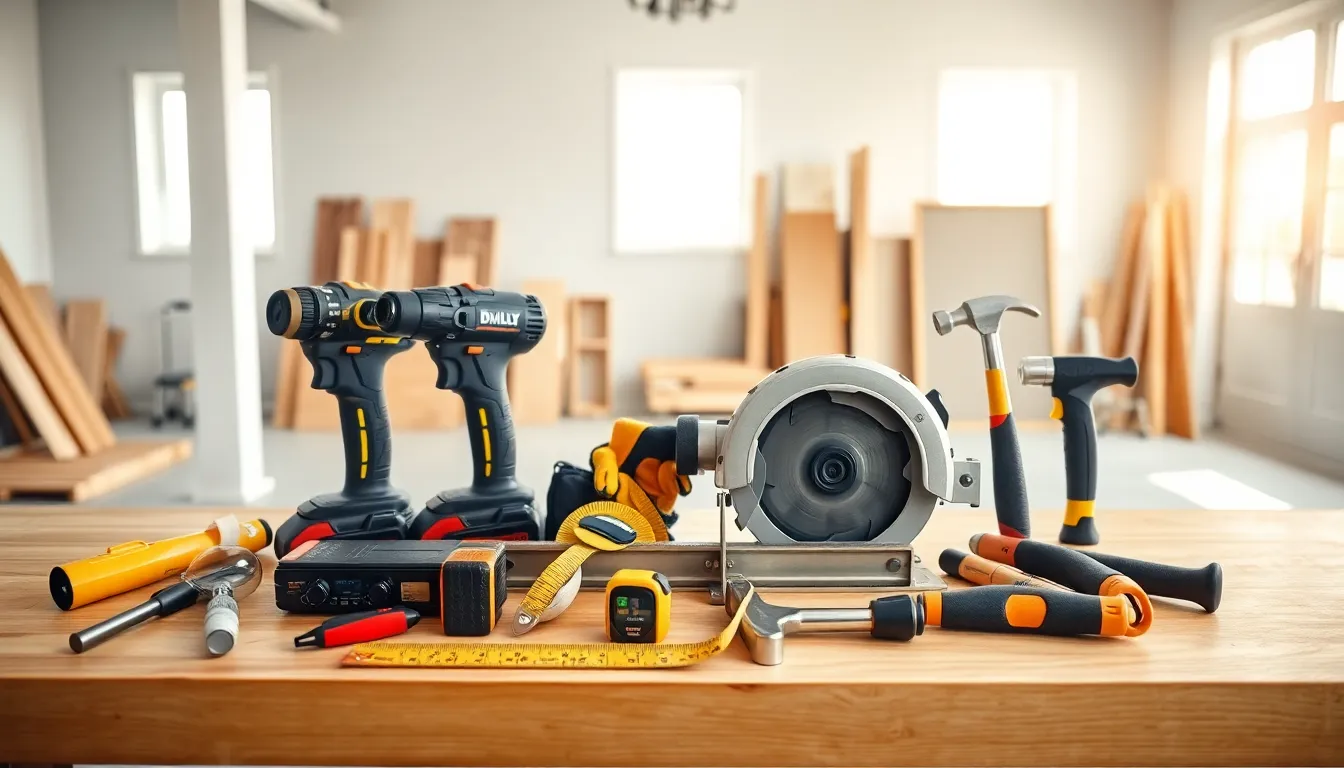
ToggleHome renovation ideas and tools can transform any living space when paired correctly. Whether homeowners plan to update a single room or tackle a whole-house remodel, having the right equipment makes all the difference. A successful project starts with clear goals, proper planning, and access to quality tools that match the job at hand.
This guide covers everything from power tools to hand tools, room-specific renovation ideas, and critical safety practices. Readers will find practical advice they can apply immediately, regardless of skill level or budget size.
Key Takeaways
- Start every home renovation with solid planning, a realistic budget with a 15-20% buffer, and a clear timeline to avoid stress and delays.
- Invest in essential power tools like a cordless drill, circular saw, and miter saw to speed up renovation projects and ensure professional results.
- Quality hand tools—including tape measures, levels, and pry bars—handle detailed work and last for decades when properly maintained.
- Kitchen and bathroom renovations offer the highest return on investment, with options ranging from simple cosmetic updates to full remodels.
- Prioritize safety equipment such as safety glasses, hearing protection, and dust masks, as home renovation ideas aren’t worth risking serious injury.
- Always turn off electrical circuits, test for lead paint in older homes, and keep work areas clean to prevent accidents during any renovation project.
Planning Your Home Renovation
Every successful home renovation starts with solid planning. Homeowners should begin by listing their priorities and setting a realistic budget. Adding a 15-20% buffer for unexpected costs prevents financial stress later in the project.
Before purchasing any home renovation tools, consider these key questions:
- What rooms need the most attention?
- Will this be a DIY project or require professional help?
- What permits does local code enforcement require?
- How long can the household function with construction underway?
Creating a detailed timeline helps manage expectations. Most kitchen renovations take 6-8 weeks, while bathroom updates typically require 2-4 weeks. Breaking large projects into phases makes them more manageable and allows homeowners to spread costs over time.
Gathering inspiration from design websites, home improvement shows, and local showrooms helps clarify the vision. But, keep ideas grounded in the home’s existing architecture. A mid-century modern kitchen might look odd in a Victorian-era house.
Once the plan takes shape, compile a complete list of materials and tools needed. This prevents multiple trips to the hardware store and keeps the project moving forward.
Must-Have Power Tools for Renovation Projects
Power tools dramatically speed up home renovation work. Investing in quality equipment pays dividends across multiple projects.
Cordless Drill/Driver
A cordless drill ranks as the most essential power tool for any renovation. It handles drilling holes, driving screws, and with the right attachments, even mixing paint. Look for models with at least 18 volts and two battery packs to avoid downtime.
Circular Saw
This tool cuts lumber, plywood, and other sheet goods quickly and accurately. A 7-1/4 inch blade handles most home renovation tasks. Cordless models offer flexibility, though corded versions provide consistent power for heavy cutting.
Reciprocating Saw
Demolition work demands a reciprocating saw. It cuts through wood, metal, and even pipes with the appropriate blade. Homeowners tackling gut renovations will use this tool constantly.
Random Orbital Sander
Smooth surfaces require proper sanding, and a random orbital sander eliminates hand fatigue. It works well on furniture refinishing, cabinet prep, and drywall finishing. The random motion prevents swirl marks that other sanders leave behind.
Miter Saw
For precise angle cuts on trim, molding, and framing lumber, nothing beats a miter saw. A 10-inch sliding compound model handles most home renovation needs and makes quick work of baseboard installation.
These home renovation tools form the foundation of any serious DIY toolkit.
Essential Hand Tools Every Homeowner Needs
Power tools get the glory, but hand tools do the detailed work. A well-stocked hand tool collection completes any home renovation toolkit.
Hammers: Keep both a 16-ounce claw hammer for general work and a smaller 12-ounce version for finish carpentry. The claw removes nails during demolition.
Tape Measures: Own at least two. A 25-foot tape handles most jobs, while a smaller 12-foot version fits in a pocket for quick measurements. The saying “measure twice, cut once” exists for good reason.
Levels: A 48-inch level checks walls and cabinets. A torpedo level works in tight spaces. Many homeowners now add a laser level for hanging pictures and aligning tile.
Pry Bars: Demolition requires leverage. A flat pry bar removes trim without damage, while a larger wrecking bar handles heavy-duty tasks.
Utility Knife: A sharp utility knife cuts drywall, opens packages, and scores materials. Keep extra blades on hand, dull blades cause more accidents than sharp ones.
Screwdrivers: Even with power drills available, manual screwdrivers remain essential. A set with multiple Phillips and flathead sizes covers most needs. Magnetic tips prevent dropped screws in awkward spaces.
Pliers and Wrenches: Adjustable pliers, needle-nose pliers, and an adjustable wrench handle plumbing work and general fastening tasks.
Quality hand tools last decades when properly maintained. They represent a smart investment for any home renovation project.
Popular Room-by-Room Renovation Ideas
Different rooms call for different approaches. Here are proven home renovation ideas organized by space.
Kitchen Updates
Kitchens offer the highest return on investment for home renovations. Popular updates include:
- Refacing or painting existing cabinets
- Installing new countertops (quartz and butcher block remain trendy)
- Adding a tile backsplash
- Upgrading lighting fixtures
- Replacing cabinet hardware
A full kitchen remodel averages $25,000-$50,000, but cosmetic updates cost a fraction of that amount.
Bathroom Refreshes
Bathrooms benefit from moisture-resistant materials and proper ventilation. Consider these home renovation ideas:
- Replacing vanities and faucets
- Installing new flooring (luxury vinyl plank resists water well)
- Updating shower fixtures or installing a frameless glass door
- Adding storage with floating shelves
- Improving lighting around mirrors
Living Space Improvements
Living rooms and bedrooms allow more creative freedom. Popular projects include:
- Installing crown molding and wainscoting
- Creating accent walls with paint or wood planks
- Replacing dated ceiling fans
- Building custom shelving or entertainment centers
- Refinishing hardwood floors
Outdoor Spaces
Don’t overlook exterior home renovation ideas. Deck repairs, patio additions, and updated landscaping increase curb appeal and livable square footage.
Safety Equipment and Best Practices
Home renovation projects carry real risks. Smart homeowners prioritize safety alongside aesthetics and functionality.
Personal Protective Equipment
Every renovation toolkit needs these safety items:
- Safety glasses: Protect eyes from flying debris during cutting and demolition. Wear them constantly, not just occasionally.
- Hearing protection: Power tools exceed safe noise levels. Foam earplugs or over-ear muffs prevent long-term hearing damage.
- Dust masks and respirators: N95 masks handle basic dust. Painting and chemical work require proper respirators with appropriate cartridges.
- Work gloves: Leather gloves protect hands from splinters and sharp edges. Cut-resistant gloves add extra protection during demolition.
- Steel-toe boots: Heavy materials and dropped tools can crush unprotected feet.
Best Practices for Home Renovation Safety
Beyond personal protection, follow these guidelines:
- Turn off electrical circuits before any electrical work. Use a non-contact voltage tester to confirm power is off.
- Shut off water supply before plumbing projects.
- Test for lead paint and asbestos in homes built before 1980.
- Keep work areas clean and well-lit. Clutter causes trips and falls.
- Never disable safety guards on power tools.
- Work with a buddy on ladder projects and heavy lifting.
These precautions take minimal time but prevent serious injuries. No home renovation idea is worth a trip to the emergency room.