
Table of Contents
ToggleHome renovation ideas can transform a dated property into a dream space, but only with the right strategies in place. Whether homeowners want to update a single room or tackle a full-house overhaul, success depends on smart planning, realistic budgets, and knowing when to call in the pros.
The home improvement market continues to grow, with Americans spending over $600 billion annually on renovations. That’s a lot of money changing hands, and a lot of potential for things to go wrong. Blown budgets, endless delays, and regrettable design choices happen every day. They don’t have to.
This guide covers practical home renovation ideas and strategies that actually work. From setting budgets to maximizing return on investment, readers will find actionable advice for every stage of their project.
Key Takeaways
- Set a realistic budget with a 15-20% contingency fund to cover unexpected issues like hidden water damage or outdated wiring.
- Focus home renovation ideas on kitchens and bathrooms first—these rooms deliver the highest visual impact and resale value.
- High-ROI projects like garage door replacement (194% ROI) and entry door updates (100% ROI) maximize your renovation investment.
- Use a hybrid approach: handle simple tasks like painting and demo yourself, but hire professionals for electrical, plumbing, and structural work.
- Avoid over-improving for your neighborhood—a $100,000 kitchen won’t pay off in a $250,000 area.
- Build buffer time into your renovation timeline since material delays and inspection hold-ups are common.
Setting a Realistic Budget and Timeline
Every successful home renovation starts with two things: a budget and a timeline. Skip either one, and the project will likely spiral out of control.
Creating a Budget That Works
Homeowners should begin by getting quotes from multiple contractors before committing to any project. A good rule of thumb is to add 15-20% to the estimated cost as a contingency fund. Surprises happen, hidden water damage, outdated wiring, or structural issues can appear once walls come down.
Break down the budget into categories:
- Materials (40-50% of total cost)
- Labor (30-40%)
- Permits and fees (5-10%)
- Contingency (15-20%)
For home renovation ideas on a tight budget, prioritize projects that offer the biggest visual impact. Fresh paint, new hardware, and updated lighting can transform a space without major construction.
Building a Realistic Timeline
Timelines depend heavily on project scope, contractor availability, and permit requirements. A kitchen remodel typically takes 6-12 weeks. A bathroom renovation runs 3-6 weeks. Full home renovations can stretch 4-8 months or longer.
Smart homeowners build buffer time into their schedules. Material delays, weather issues, and inspection hold-ups are common. Starting a renovation right before a major holiday or family event? That’s asking for stress.
Get the timeline in writing from contractors. Include milestone dates and consequences for significant delays. This keeps everyone accountable and helps home renovation projects stay on track.
High-Impact Renovation Ideas for Every Room
Not all home renovation ideas deliver equal value. Some projects boost both livability and resale value, while others simply drain bank accounts. Here’s where to focus efforts for maximum impact.
Kitchen and Bathroom Upgrades
Kitchens and bathrooms sell houses. Real estate agents repeat this constantly because it’s true. These rooms see the most daily use and receive the most buyer scrutiny.
Kitchen Renovation Ideas:
- Replace cabinet doors instead of entire cabinets (saves 50% or more)
- Install a tile backsplash for visual interest
- Upgrade to energy-efficient appliances
- Add under-cabinet lighting
- Replace dated countertops with quartz or butcher block
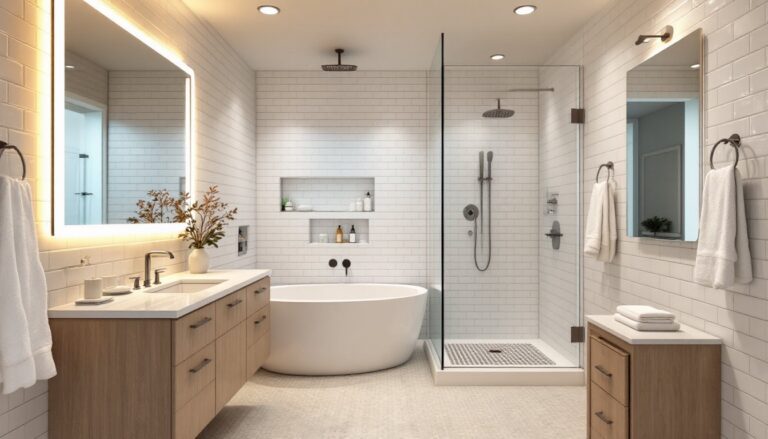
Bathroom Renovation Ideas:
- Swap out vanities and mirrors
- Install a new toilet (low-flow models save water and money)
- Re-grout or replace tile
- Add a frameless glass shower door
- Upgrade fixtures to brushed nickel or matte black finishes
These home renovation strategies focus on high-visibility changes. Guests and potential buyers notice updated kitchens and bathrooms immediately.
Living Spaces and Curb Appeal
Living rooms, bedrooms, and exterior spaces deserve attention too. Strategic updates here can dramatically change how a home feels and functions.
Interior Living Space Ideas:
- Open up floor plans by removing non-load-bearing walls
- Install hardwood or luxury vinyl plank flooring
- Add crown molding or wainscoting for character
- Create built-in storage solutions
- Update window treatments for better light control
Curb Appeal Strategies:
- Repaint or replace the front door (average ROI: 100%+)
- Add landscape lighting
- Install new house numbers and a mailbox
- Power wash siding and walkways
- Plant low-maintenance shrubs and perennials
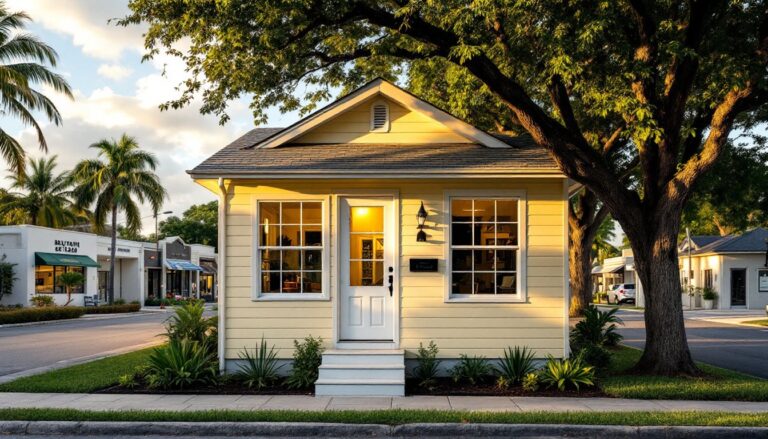
First impressions matter. Curb appeal home renovation ideas cost relatively little but create immediate visual impact. A fresh front door and clean landscaping can change how people perceive an entire property.
Choosing Between DIY and Professional Help
The DIY versus professional debate comes up with every home renovation project. The answer depends on skill level, time availability, and risk tolerance.
Projects Suited for DIY:
- Painting walls and trim
- Installing shelving and storage
- Basic landscaping
- Replacing light fixtures (with power off)
- Installing new hardware
- Simple tile backsplashes
Projects That Need Professionals:
- Electrical panel work
- Plumbing beyond simple fixture swaps
- Structural changes
- HVAC installation or major repairs
- Roofing
- Gas line work
Here’s an honest assessment: DIY home renovation ideas save money only when done correctly. A botched tile job costs more to fix than hiring a professional from the start. Worse, amateur electrical or plumbing work can create safety hazards and code violations.
Homeowners should also consider their time. A contractor might complete a bathroom renovation in two weeks. A DIY approach for the same project could stretch over two months of weekends. What’s that time worth?
For home renovation strategies that balance cost and quality, consider a hybrid approach. Handle the simple stuff, demo, painting, cleanup, and hire professionals for technical work. This saves money while ensuring critical systems are installed safely and to code.
Maximizing Return on Investment
Not every home renovation idea makes financial sense. Smart homeowners think about return on investment (ROI) before starting any project.
Highest ROI Home Renovation Projects:
| Project | Average Cost | Average ROI |
|---|---|---|
| Garage door replacement | $4,000 | 194% |
| Manufactured stone veneer | $10,000 | 153% |
| Minor kitchen remodel | $26,000 | 96% |
| Entry door replacement | $2,200 | 100% |
| Deck addition | $16,000 | 82% |
These numbers come from national averages. Local markets vary significantly. A pool adds value in Arizona but might hurt resale in Minnesota.
ROI-Focused Strategies:
- Know the neighborhood ceiling – Don’t over-improve for the area. A $100,000 kitchen in a $250,000 neighborhood won’t return that investment.
- Focus on broad appeal – Bold design choices satisfy personal taste but can limit buyer pools. Neutral colors and classic styles have wider appeal.
- Address functional issues first – A new roof or updated HVAC won’t wow anyone, but buyers absolutely notice when these systems need replacement.
- Time the market – Planning to sell in 1-2 years? Focus on cosmetic updates. Staying for 10+ years? Invest in quality materials and systems that improve daily life.
Home renovation ideas should balance personal enjoyment with financial reality. The best projects make a home more livable now while protecting or increasing its value for the future.