
Table of Contents
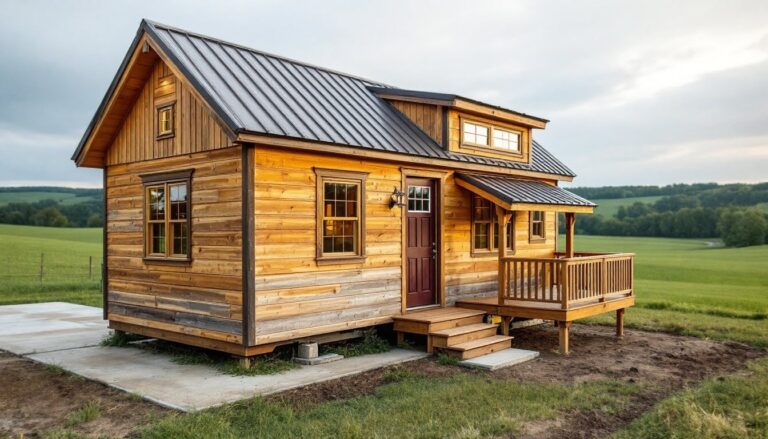
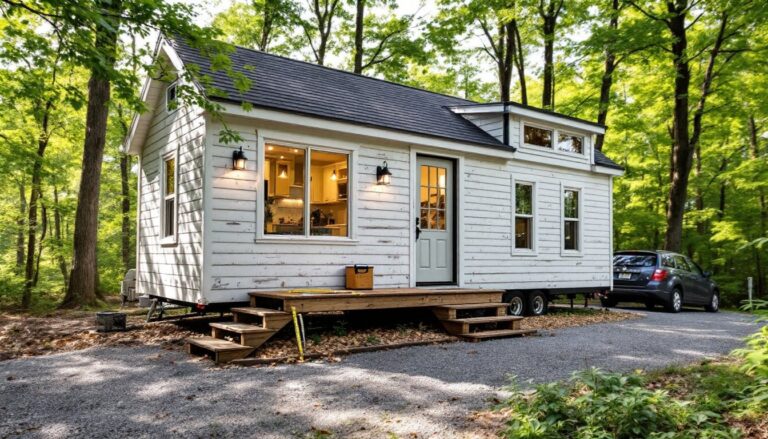
ToggleThe internet’s been buzzing with claims that you can buy a tiny house at Costco. While the warehouse giant doesn’t sell move-in-ready homes, the narrative behind this trend contains real kernels of truth. Costco does offer a range of building materials, prefab components, and supplies that can help you piece together a tiny house project on a budget. Understanding what Costco actually stocks, and what it doesn’t, is crucial for anyone serious about building or financing a tiny home. This guide separates fact from fiction, walks you through what’s genuinely available, and shows you how to leverage bulk purchasing for your project.
Key Takeaways
- Costco does not sell complete tiny houses, but offers competitively priced building materials like lumber, fasteners, insulation, and paint that can reduce material costs by 10–20% when bought in bulk for tiny house projects.
- Start with a detailed materials list from your blueprints and work with your local Costco warehouse manager to identify bulk ordering options, delivery logistics, and seasonal availability for optimal pricing on tiny house building supplies.
- Buying standard materials in bulk during off-season months (winter and early spring) locks in lower prices, while the generous return policy allows for slight over-buying to account for waste without financial penalty.
- Financing a tiny house requires personal loans, construction loans, or traditional mortgages through banks and credit unions—Costco has no tiny house financing program and all structures require permits and inspections regardless of material sourcing.
- Combine Costco’s new, code-compliant structural materials with reclaimed lumber yards, Habitat for Humanity ReStore, or specialty suppliers to balance quality and costs while achieving 30% overall savings on a tiny house build.
What Costco Actually Sells For Tiny Home Building
Building Materials and Supplies
Costco stocks a solid inventory of materials you’ll actually use in a tiny house build. Lumber in standard dimensions (2x4s, 2x6s, 1×10 sheathing, and plywood) rotate seasonally and are priced competitively against big-box competitors. A bundle of 3/4-inch CDX plywood runs about 15% cheaper at Costco if you buy in bulk. You’ll find insulation batts (fiberglass, kraft-faced) in common R-values, roofing felt, and underlayment products that are staples for any build.
Electrical and plumbing basics are there too: Romex cable (the white or yellow sheathed wiring common in residential work), standard PVC pipe, copper fittings, and outlet boxes. Paint and primer brands like Behr sell in gallon or multi-packs at member pricing. Fasteners, nails, screws in bulk boxes, deck screws, cost less per unit when bought in volume.
The catch? Costco’s inventory varies by region and season. Call ahead or check your local warehouse for specifics. They’re not a one-stop shop for specialty items like vapor barriers, trim molding profiles, or hardwood flooring, you’ll hunt elsewhere for those.
Prefab Kits and Structural Components
Costco doesn’t sell complete tiny house kits ready to assemble. That’s the viral myth that gets debunked. But, they occasionally stock prefab sheds, storage structures, and modular components from vendors like Suncast or regional suppliers. These are framed structures on a foundation, not full homes, but some buyers have creatively adapted them or used them as inspiration for their own builds.
More relevantly, Costco’s relationship with builders and contractors means you can order custom lumber bundles or engineered wood components through their business services in some markets. It’s not advertised like a retail product, but calling the warehouse to ask about contractor ordering can unlock bulk deals on joists, beams, and pre-cut framing packages that save time and money on a tiny house project.
How To Use Costco For Your Tiny House Project
Start by creating a detailed materials list from your house plans or blueprints. Grab a copy and walk your local warehouse with the manager or a staff member in the building materials section, they can tell you lead times, bulk ordering options, and whether items can be delivered.
Step 1: Buy Standard Materials in Bulk. Lumber, fasteners, insulation, and paint are where Costco shines. Buying a season’s worth of framing lumber at once locks in a price and simplifies logistics. One builder reduced costs by $1,200 on a 200-square-foot tiny house by buying all sheathing and studs at Costco instead of splitting orders across three suppliers.
Step 2: Use Costco for Repeated Consumables. Paint, primer, caulk, sealers, sandpaper, and brush sets are cheaper per unit in bulk. If your tiny house has 120 square feet of wall, multiple coats of primer and finish paint add up, buying the 5-gallon bucket at Costco instead of individual quarts pays off.
Step 3: Check the Seasonal Return Window. Costco’s generous return policy (even on lumber, within reason) means you can over-buy slightly and return overage. This takes pressure off precise calculation and lets you account for waste and mistakes, realistic for DIY projects.
Step 4: Leverage the Membership for Tool Rentals. Some Costco locations offer power tool rentals through their warehouse or partner vendors. Renting a miter saw, table saw, or reciprocating saw for a weekend costs 1/10th of buying used, and you avoid storage headaches.
Cost Savings Strategies For Budget-Conscious Builders
Buy Off-Season. Lumber prices and availability vary. Winter and early spring are slower seasons: summer demand drives prices up. If your timeline allows, stocking materials in February costs 10–20% less than June.
Combine Costco with Local Reclaimed Suppliers. Costco is great for new, code-approved materials. Reclaimed lumber yards or salvage shops offer character and savings on flooring, siding, or accent walls. Mix high-quality new framing from Costco with salvaged finishing materials, you save 30% overall and avoid the “all-new look.”
Negotiate Freight and Delivery. Costco offers delivery on large orders: it’s not always cheaper than picking up yourself, but it saves truck rental fees if you’re not equipped. Call ahead and ask about contractor discounts or fleet pricing if your project warrants it.
Use the Costco Credit Card. Members who use the Costco Visa earn 2% back on purchases. On a $5,000 materials haul, that’s $100 in cash back, not nothing when budgets are tight.
Buy Versatile, Durable Basics at Costco: Splurge Selectively Elsewhere. Framing and structural work demand code-compliant, reliable materials, Costco’s lumber and fasteners fit the bill. Finishes like paint, hardware, or trim? Shop around. A specialty paint store might have a better color match or durability spec for specific conditions.
Linking these strategies, tiny house solutions that balance cost and quality often recommend starting with a solid structural foundation, where Costco excels, and customizing the rest.
Common Misconceptions About Buying Tiny Homes At Costco
Myth 1: Costco Sells Complete Tiny Houses.
False. Costco does not offer ready-to-live-in tiny homes, prefab or otherwise. The viral claim likely stems from photos of oversized sheds or Costco’s occasional seasonal structures (like gazebos or storage cabins). These are not tiny houses, they’re outbuildings.
Myth 2: You Can Finance a Tiny House Through Costco.
Also false. Costco has no tiny house financing program. Financing a tiny house requires a personal loan, construction loan, or traditional mortgage, all through banks, credit unions, or specialized lenders. Understanding tiny house mortgage options is critical before you buy a single stud.
Myth 3: Costco Materials Are Cheaper Than Everywhere.
Sometimes. Costco’s lumber, fasteners, and paint are competitive, but big-box stores like Home Depot or Lowe’s occasionally run sales that undercut Costco. Local lumber yards can beat Costco on custom sizes or specialty grades. Always compare.
Myth 4: Building a Tiny House at Costco Prices Costs $20,000.
Not realistic. Even at Costco’s prices, materials for a 300-square-foot tiny house (framing, sheathing, roofing, siding, windows, doors, insulation, electrical, plumbing, interior finishes) run $25,000–$40,000. Labor, whether DIY time or contractor rates, adds another $10,000–$50,000 depending on scope and skill.
Myth 5: Tiny Houses From Costco Materials Don’t Need Permits.
Dangerous and wrong. Any structure requires a permit and inspection in most jurisdictions, regardless of where you buy materials. Building codes (IRC, IBC, NEC) apply whether materials come from Costco or a boutique supplier. Unpermitted work risks fines, insurance denial, and safety hazards.
Better Alternatives For Purchasing Or Building A Tiny House
If Costco doesn’t fit your project, other routes exist.
Tiny House Kit Companies. Companies like Minimaliste, Blokable, and Eco Shack sell complete prefab kits or plans with pre-cut materials bundled and shipped. Prices range from $25,000 (plans only) to $80,000 (delivered, ready to assemble). These eliminate the guesswork and material sourcing hassle, you trade flexibility for convenience and speed.
Local Lumber Yards. A traditional lumber yard often offers better customer service, specialty lumber grades, and delivery than big-box stores. Owners know building codes and can advise on load requirements, nailing patterns, and material acclimation (wood expands and contracts: letting it sit at your site before framing prevents later issues). Prices are sometimes higher per board-foot but offset by reduced waste and better guidance. Check resources like Ana White for free DIY plans you can take to your local yard.
Habitat for Humanity ReStore. These nonprofit salvage warehouses sell reclaimed and donated building materials at steep discounts, often 50–70% off retail. Windows, doors, flooring, and cabinetry appear regularly. Not great for structural lumber (you can’t confirm grade or moisture content), but ideal for finishing materials.
Used Tiny Houses. Buying an existing used tiny house on wheels or a foundation costs more upfront ($40,000–$150,000) but avoids the 12–24 month build timeline and risk of cost overruns. Tiny house festivals let you tour dozens in a day and connect with builders.
Modular or Manufactured Tiny Homes. Companies building code-compliant tiny homes in factories offer consistency and warranties. They’re pricier (often $60,000–$150,000+) but insured, inspected, and mobile if it’s a tiny house on wheels.
For kitchen-specific planning in a compact space, The Kitchn offers small kitchen design strategies that apply directly to tiny house layouts. Many builders source Costco appliances and storage solutions and adapt them using kitchen design principles.
The Bottom Line
Costco is a valuable resource for bulk building materials if you’re building a tiny house, but it’s not a shortcut to owning one. You won’t find a ready-made tiny house on the warehouse floor, and financing still runs through traditional lenders. What you will find is competitively priced lumber, fasteners, insulation, and supplies that reduce your material budget by 10–20% compared to buying small quantities elsewhere.
The real path to a tiny house involves either buying a completed one (through builders or secondhand), assembling a prefab kit, or rolling up your sleeves for a full DIY build using smart sourcing, Costco being one piece of the puzzle. Start with solid plans, understand local zoning and permits for tiny house legality, and use resources like Costco strategically. Your wallet and sanity will thank you.