Table of Contents
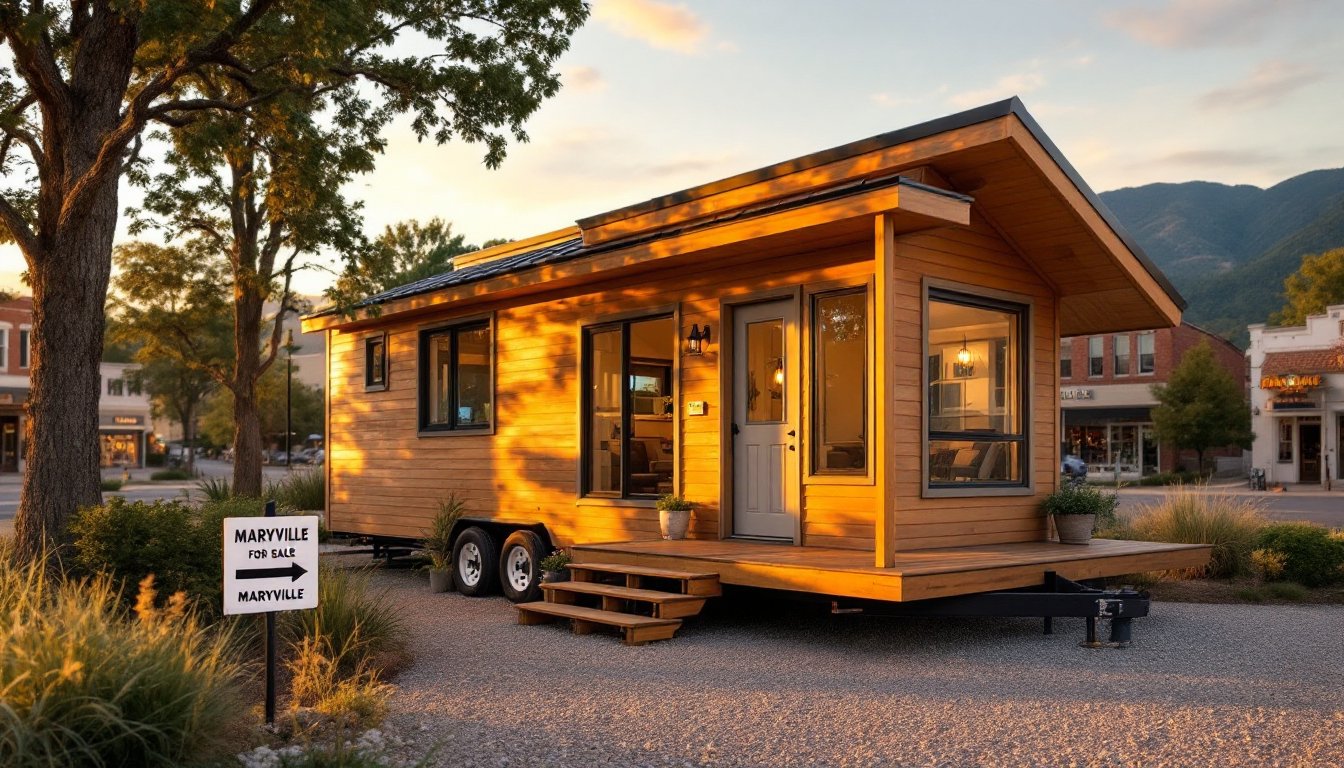
ToggleMaryville, Tennessee has quietly become one of the Southeast’s most attractive markets for tiny home buyers. Nestled in Blount County between the Great Smoky Mountains and Knoxville’s urban sprawl, this town of roughly 28,000 combines small-town charm with genuine housing affordability. Unlike sprawling suburban developments, the tiny home movement here addresses a real problem: families and first-time buyers priced out of traditional real estate markets. Whether you’re downsizing, seeking a rental investment property, or simply want to own outright without a 30-year mortgage, tiny homes for sale in Maryville, TN offer tangible solutions. This guide walks you through what’s actually available, where to look, and how to navigate the purchase process.
Key Takeaways
- Tiny homes for sale in Maryville, TN offer 15-20% cost savings compared to Knoxville while providing walkable downtown access, local employment, and genuine community infrastructure.
- Current inventory ranges from $45,000 to $200,000 depending on construction type, with foundation-built homes and mobile units between 250-600 square feet moving within 30-60 days.
- Pre-approval for specialized financing is essential since most banks prefer conventional mortgages on permanent residences, while used mobile tiny homes typically require RV-style personal property loans at higher rates.
- Before making an offer, verify zoning restrictions and HOA deed covenants with Maryville’s Planning and Zoning Department, as some properties restrict tiny home placement or secondary use.
- Investment-grade tiny homes prioritize energy efficiency, open floor plans, and outdoor covered porches, with inspection budgets of $300-$500 critical for identifying roof seals and mechanical issues unique to compact units.
- High Knob, Graysonview, and Routine 411 corridor developments offer tiny home-friendly communities with shared covenants, while downtown locations provide walkability at the trade-off of smaller lot sizes.
Why Maryville, TN Is Becoming A Tiny Home Hub
Maryville’s appeal to tiny home buyers stems from three practical factors: cost of living, community infrastructure, and land availability. The median home price here sits roughly 15-20% below Knoxville and substantially below Tennessee’s urban centers, making tiny homes an even more accessible entry point. You’re not paying a markup for proximity to a major metro, you’re buying into a place with actual roots.
The town has solid schools, walkable downtown corridors, and genuine employment options through local healthcare systems, education, and small manufacturing. Unlike bedroom communities that exist only to house commuters, Maryville functions as a complete town. The best tiny homes for compact living often thrive in places where the surrounding infrastructure already supports smaller footprints, grocery stores within walking distance, local parks, and reliable utilities matter more when you’re in 400 square feet.
Land availability is another draw. Knox and Sevier counties have fragmented, expensive parcels: Blount County still has reasonable acreage available for development, which keeps tiny home construction and inventory moving. Developers can build communities without pricing out the target demographic, and individual builders have room to maneuver.
What To Expect From The Current Tiny Home Market In Maryville
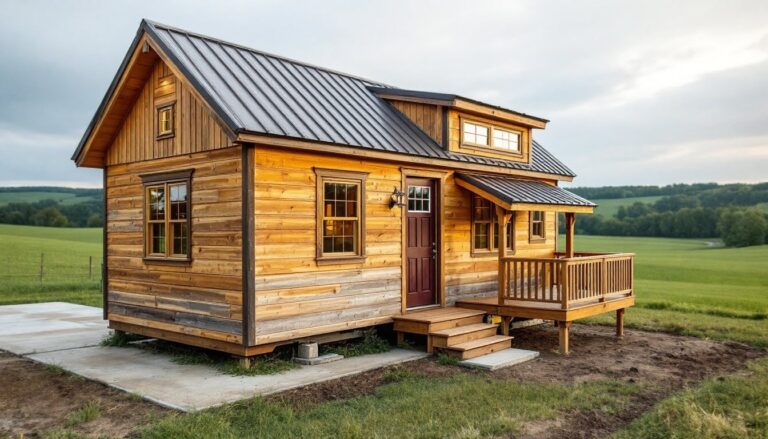
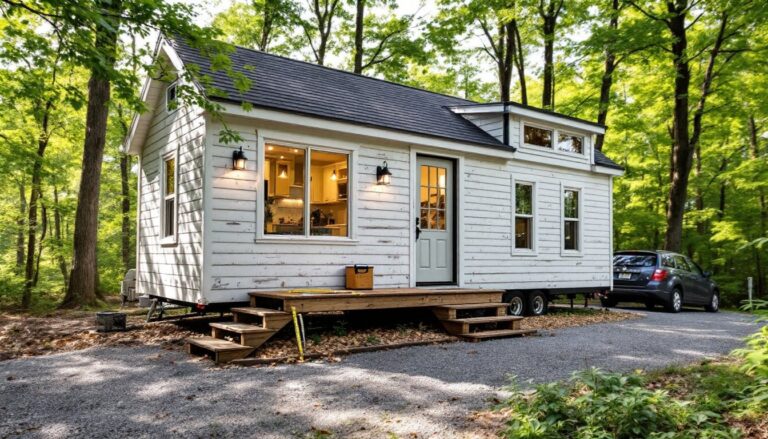
The Maryville tiny home market in 2026 is active but not oversaturated. You’ll find finished move-in-ready units, under-construction properties, and raw land for custom builds. Inventory typically consists of homes ranging from 250 to 600 square feet, with the sweet spot landing around 350–450 square feet for three-quarter-ton tiny home trailers or foundation-built models.
Most Maryville listings emphasize energy efficiency, better insulation, dual-pane windows, and high-efficiency HVAC systems make utility bills genuinely low, which matters when you’re financing on a tighter budget. Open floor plans dominate, along with loft bedrooms that maximize sleeping quarters without eating dining or living space. Outdoor covered porches are standard because, frankly, Tennessee weather and community feel benefit from that transition zone.
Typical Price Ranges And Inventory Availability
Tiny homes on wheels or mobile foundations in Maryville currently range from $45,000 to $120,000 for finished units, depending on age, finishes, and whether they’re one or two bedroom. Foundation-built tiny homes, traditional stick-frame on permanent lots, run $65,000 to $200,000 depending on land value and customization. A 400-square-foot newly built tiny home on a third-acre lot typically lands in the $110,000–$160,000 range.
Inventory hovers between 12 and 25 active listings at any given time, which is healthy for a market this size but not abundant. Homes with recent energy upgrades, good layout, or turnkey interiors move in 30–60 days. Fixer-uppers or homes requiring renovation can linger longer. If you’re serious, have financing pre-approved and don’t wait for the “perfect” listing, your flexibility is your negotiating power. Tiny Homes Tips: Essential advice for small space living can help you evaluate whether a specific property actually suits your lifestyle before making an offer.
Key Neighborhoods And Communities For Tiny Home Living
Maryville’s geography breaks into zones worth knowing. Downtown and the surrounding few blocks (roughly the grid between Broadway and the Alcoa Highway) offer walkability, restaurant access, and older homes that occasionally get split into tiny spaces or adaptive-reuse apartments. It’s not a dedicated tiny home neighborhood, but it works for buyers who want urban texture.
High Knob and neighboring residential areas north of downtown have seen recent tiny home community development. Properties here sit on quarter- to half-acre lots with covenants that allow tiny homes while maintaining neighborhood cohesion. These communities often include shared green space, gravel drives, and explicit tiny home-friendly rules, important because traditional zoning sometimes conflicts with what most people picture as a tiny home.
Graysonview and the rolling terrain northwest offer larger lots suitable for tiny home builds with acreage for gardens or small hobby farms. These properties appeal to buyers seeking a little more land buffer and rural character while staying close to town amenities. The trade-off is longer walks to retail or services, though most properties are still under 15 minutes to downtown.
Routine 411 (the corridor heading toward Alcoa) has pockets of newer development, including some modular and prefab-friendly zones. These areas tend to be flatter, cheaper to develop on, and friendlier to standardized tiny home factory builds. Recent housing projects here have incorporated small-lot designs at competitive price points.
Essential Steps For Buying Your First Tiny Home In Maryville
Getting a tiny home under contract follows real estate basics: get pre-approved for financing, identify your target area, and work with a local agent who understands tiny home specifics (not all Realtors do). Maryville has agents familiar with this niche, though you might call ahead to confirm.
Inspection is critical. Tiny homes, especially used units on chassis, develop issues in different places than traditional homes. Roof seals, hitch condition, slide-out mechanisms (if applicable), plumbing and electrical compactness, and insulation integrity need close inspection. Budget $300–$500 for a thorough specialist inspection, it’s non-negotiable.
Zoning and deed restrictions matter more than many buyers realize. Before making an offer, call Maryville’s Planning and Zoning Department to confirm the property allows tiny homes and whether your intended use (permanent residence vs. rental vs. ADU secondary structure) is permitted. Some properties have HOA rules or land contracts that explicitly limit tiny home placement. Check these before signing anything.
Permits vary if you’re moving a tiny home onto land or building new. Foundation work, utility connections, and parking pad installation may require permits and inspections. Most costs run $500–$2,000 depending on scope, but they exist and need budgeting. Ask the seller or developer what’s been pulled already.
Financing Options And Mortgage Considerations
Traditional mortgages are possible but trickier for tiny homes, especially used or mobile units. Most banks want owner-occupied primary residences under conventional 30-year loans. Used tiny homes on chassis typically qualify only for personal property loans (like RV financing) at higher rates and shorter terms, usually 15 years or less at 5.5–8.5% interest.
Manufactured home loans exist and often work better for foundation-built tiny homes or new modular units. These loans split the difference: better terms than RV loans but slightly higher rates than traditional mortgages. Terms run 20–25 years, and down payments typically need to be 10–20%.
Small-dollar conventional mortgages on tiny homes do exist through progressive lenders and credit unions. Tennessee-based credit unions in particular sometimes have portfolios for $50,000–$150,000 mortgages on small homes. Shop around, rates and terms vary significantly. Financial websites and housing resources often track current lending trends for alternative housing models.
Cash purchases remain common in this market. If you can pay outright, a $60,000–$100,000 tiny home becomes genuinely feasible for buyers without traditional down-payment savings. That’s one reason the market appeals to younger buyers and debt-averse investors.
Down payment assistance and first-time homebuyer grants exist through Tennessee Housing Development Agency (THDA), though tiny homes don’t always qualify cleanly, requirements often target traditional stick-frame homes. Ask your lender or a local nonprofit housing organization whether THDA programs apply to your specific property type.
Conclusion
Tiny homes for sale in Maryville, TN represent real affordability and ownership opportunity, not just a trend. The market is small but active, prices remain accessible, and the town itself supports compact living through genuine amenities and employment. Moving forward, do your assignments: get pre-approved, work with informed professionals, inspect thoroughly, and verify zoning. Tiny Homes for Beginners: A Complete Guide walks you through foundational concepts if you’re new to the space. Maryville’s combination of cost, community, and livability makes it a solid market for tiny home buyers serious about the transition.