Table of Contents
ToggleConnecticut’s tiny home market has grown into a serious option for buyers seeking affordability, sustainability, and freedom from oversized mortgages. Whether you’re a first-time homebuyer, downsizing retiree, or eco-conscious professional, tiny homes for sale in CT offer compelling advantages in a state known for high property costs. This guide walks you through what’s available, where to find it, what to expect budget-wise, and how to make a smart purchase decision in 2026.
Key Takeaways
- Tiny homes for sale in Connecticut range from $80,000 to $250,000+ and offer 40–60% lower monthly operating costs compared to traditional 2,000-square-foot homes over a 30-year mortgage.
- Connecticut’s loosening zoning restrictions, high property taxes, and strong infrastructure in cities like Stamford, New Haven, and Hartford make it an ideal location for affordable tiny home living.
- Financing for tiny homes has expanded with FHA loans and specialized land-plus-build programs available, though expect slightly higher interest rates and stricter documentation than conventional mortgages.
- Prioritize smart design features such as open floor plans, lofted bedrooms, built-in storage, high-efficiency HVAC systems, and outdoor expansion potential when evaluating Connecticut tiny homes.
- Always verify zoning compliance and legal status with your town’s planning department and hire a real estate attorney experienced with non-traditional properties before finalizing your purchase.
The Connecticut Tiny Home Market: Trends And Opportunities
Connecticut’s tiny home market is heating up. More builders and developers are recognizing demand from young professionals priced out of traditional single-family homes and retirees who want lower maintenance costs. The state’s zoning restrictions have loosened slightly in recent years, particularly in municipalities like Stamford, New Haven, and Hartford, opening the door for infill tiny home communities.
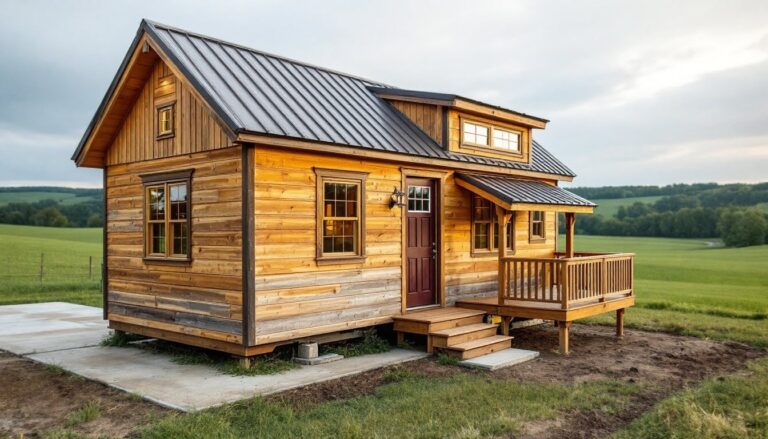
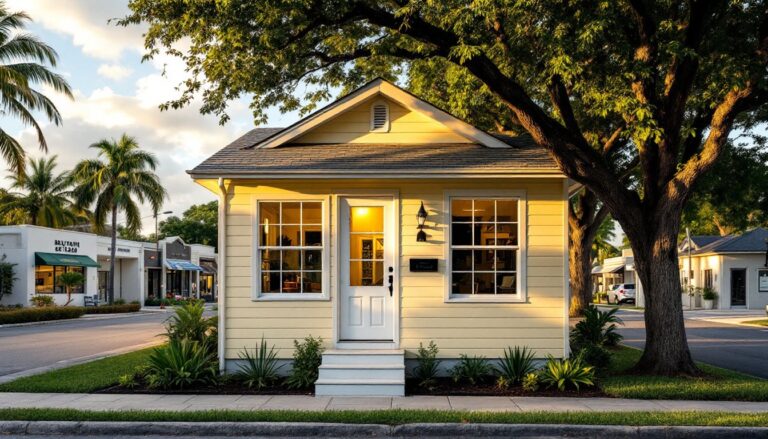
Demand is being fueled by three key factors: spiraling property taxes (some of the highest in the nation), limited inventory of affordable housing, and a growing environmental consciousness. Buyers aren’t just looking for cheap, they’re looking for smart. The result? Tiny homes that used to be niche novelties are now mainstream inventory on real estate sites. Expect to find purpose-built new construction, converted existing structures, and even tiny house kits available for sale or placement on Connecticut land.
Why Connecticut Is Perfect For Tiny Home Living
Connecticut’s geography and lifestyle make it an ideal tiny home location. The state is densely populated but maintains pockets of rural charm, offering both urban access and quiet retreats. You get proximity to New York City job markets without Manhattan rents, excellent schools and infrastructure, and strong community networks.
The climate is temperate, four seasons with manageable winters and summers. This matters for tiny homes because extreme heat or cold increases utility costs and puts strain on compact HVAC systems. Connecticut also has a well-established contractor base familiar with renovation and construction, meaning repair and modification work won’t leave you hunting for qualified professionals.
Also, the state’s environmental regulations push toward sustainable building practices. Many tiny homes marketed in CT emphasize energy-efficient systems, renewable heating, and water conservation, features that align with both buyer values and long-term cost savings. Tiny homes tips for the region often stress maximizing natural light and passive solar gain, both achievable in Connecticut’s seasonal rhythm.
Where To Find Tiny Homes For Sale In Connecticut
Finding tiny homes for sale in Connecticut requires checking multiple channels. The obvious first stop is Zillow, Redfin, and MLS searches filtered by square footage under 500 square feet and price range. Most traditional real estate agents now have tiny home inventory or can flag properties that fit the criteria.
Specialized tiny home brokers and networks are emerging. Connecticut-based firms like Compact Living Specialists and regional tiny home builders increasingly list properties directly. Facebook groups and Reddit communities dedicated to Connecticut housing and tiny living offer peer recommendations and off-market leads.
Don’t sleep on local municipality websites and planning boards. Some towns are now zoning parcels specifically for tiny home communities. A Connecticut tiny house with innovative 3D-printed walls made headlines, showcasing cutting-edge construction available in the state. Also, publications like Curbed regularly feature Connecticut real estate trends and new tiny home projects. Check local new-build developments in areas like Westport, Danbury, and Bridgeport, where affordability initiatives are spurring tiny home projects.
Budget Considerations And Pricing For CT Tiny Homes
Pricing for tiny homes in Connecticut ranges widely, $80,000 to $250,000+ depending on finish quality, location, and whether it’s new construction or an existing conversion.
A modest, newly built 300-square-foot tiny home in a rural area might run $120,000–$150,000 base price. Add land acquisition, permits, utility hookups, and you’re looking at $180,000–$220,000 all-in. In higher-demand areas near commuter hubs or towns with strong school systems, prices climb to $200,000–$300,000 for comparable units.
Beyond purchase price, factor in property taxes (Connecticut averages 0.5%–0.7% of assessed value annually, though this varies by town), insurance, utilities, and HOA fees if applicable. Because tiny homes have smaller footprints, monthly operating costs, heating, cooling, water, electric, run 40%–60% lower than a 2,000-square-foot home. Over a 30-year mortgage, those savings compound significantly.
Financing is where many buyers hit friction. Most banks are hesitant with non-traditional properties. But, tiny house mortgage programs have expanded. Some lenders now offer FHA loans on manufactured tiny homes and modular units, while others specialize in land-plus-build financing for site-built tiny homes. Expect slightly higher interest rates (0.25%–0.75% above conventional mortgages) and stricter documentation requirements.
Key Features To Look For In A Connecticut Tiny Home
Smart design separates a livable tiny home from a cramped one. Prioritize these features:
Open floor plans that minimize hallway space and maximize usable square footage. A combined kitchen-living-dining area feels less claustrophobic than segregated rooms.
Lofted bedrooms are standard in many tiny homes, providing sleeping space without consuming ground-floor real estate. Check ceiling height (at least 6’6″ in lofts, preferably higher if you plan to spend time up there).
Adequate storage isn’t a luxury, it’s essential. Look for built-in shelving, under-stair storage, closets, and pantry space. Homes without intentional storage become suffocating fast.
Quality insulation and weatherization matter in Connecticut winters. R-40 walls and R-60 roof insulation are common in modern tiny builds. Ask about air-sealing and vapor barriers.
Efficient mechanicals: high-efficiency HVAC (mini-split systems are popular), tankless water heaters, and LED lighting reduce monthly bills and maintenance headaches.
Outdoor space or expansion potential helps with livability. A covered porch, deck, or adjacent land for future additions makes a difference psychologically and functionally.
Before buying, consult tiny homes for beginners guides on inspection checklists specific to tiny properties. Standard home inspections sometimes miss issues in non-traditional construction.
Making Your Tiny Home Purchase: Next Steps And Tips
Once you’ve found a property, move deliberately. Get a home inspection from someone experienced with tiny homes, not all inspectors understand the nuances of compact construction, utility integration, or foundation requirements for mobile units.
Verify zoning and legal status. This is non-negotiable. Confirm with the town planning or zoning department that the property is approved for residential use, that the structure meets local codes (setback requirements, foundation standards, etc.), and that no variances or special permits are being quietly skirted. Connecticut’s building code is based on the International Building Code (IBC), but individual towns add local amendments. What’s legal in one town might violate ordinances 15 miles away.
If the home is on wheels or is manufactured, secure financing before making an offer. Tiny house legality varies by location, and some lenders won’t fund properties on non-permanent foundations. Having pre-approval dramatically strengthens your negotiating position.
Hire a real estate attorney familiar with non-traditional properties. Covenants, title issues, and utility easements in tiny home communities can be complex. An attorney review costs $500–$1,500 but prevents four-figure mistakes.
Final tip: visit the property during different times of day and seasons if possible. Tiny living requires a good match between the home’s layout and your lifestyle. What feels cozy on a summer afternoon might feel claustrophobic during a winter lockdown. Be honest with yourself about whether the space works for how you actually live.
Conclusion
Tiny homes for sale in Connecticut represent a genuine alternative to overpriced traditional housing. The market is maturing, financing options are improving, and quality inventory is increasing. Success comes from doing your assignments: understand local zoning, secure proper financing, inspect thoroughly, and choose a home that genuinely fits your needs, not just a trendy box. Start your search today and join Connecticut’s growing community of intentional, efficient living.