Table of Contents
ToggleHome renovation ideas are shifting fast as 2026 approaches. Homeowners want spaces that look great, work smarter, and feel healthier. The trends gaining momentum reflect this shift, sustainability, technology, and personal wellness now drive design decisions more than ever.
This year’s renovation trends blend practicality with style. People aren’t just updating kitchens and bathrooms for resale value anymore. They’re creating homes that match how they actually live. From recycled building materials to voice-controlled lighting systems, the changes are meaningful rather than cosmetic.
Whether planning a full remodel or a single-room refresh, understanding these home renovation ideas helps homeowners make informed choices. The following trends will shape residential design throughout 2026 and beyond.
Key Takeaways
- Home renovation ideas for 2026 prioritize sustainability, smart technology, and wellness-focused design over purely cosmetic updates.
- Eco-friendly materials like recycled wood, bamboo flooring, and low-VOC paints have become standard choices for environmentally conscious homeowners.
- Smart home integration now functions as essential infrastructure—install wiring and network cables during renovation to save costs later.
- Multifunctional spaces with Murphy beds, movable partitions, and purpose-built home offices maximize square footage for modern living.
- Bold colors like deep greens and warm terracotta are replacing all-white interiors, paired with natural textures for a grounded aesthetic.
- Wellness features including HEPA air filtration, whole-house water systems, and biophilic design elements actively support physical and mental health at home.
Sustainable and Eco-Friendly Materials
Sustainability tops the list of home renovation ideas for 2026. Homeowners now prioritize materials that reduce environmental impact without sacrificing quality or aesthetics.
Recycled wood, reclaimed brick, and bamboo flooring continue to grow in popularity. These materials offer durability while keeping usable resources out of landfills. Cork flooring has also seen a surge in demand, it’s renewable, naturally antimicrobial, and surprisingly comfortable underfoot.
Low-VOC paints and finishes have become standard rather than specialty items. They release fewer harmful chemicals into indoor air, which matters more as people spend significant time at home. Many paint manufacturers now offer zero-VOC options in full color ranges.
Insulation upgrades represent another popular renovation choice. Recycled denim, cellulose made from newspaper, and sheep’s wool insulation provide excellent thermal performance. These options often outperform traditional fiberglass while using waste materials.
Energy-efficient windows remain a top investment. Double and triple-pane glass with low-E coatings reduce heating and cooling costs significantly. Some homeowners report 20-30% reductions in energy bills after window replacement.
The 2026 approach to sustainable renovation extends to fixtures and appliances too. Water-saving toilets, low-flow showerheads, and Energy Star-rated appliances have moved from optional upgrades to expected features in any serious home renovation project.
Smart Home Integration
Smart home technology has matured from novelty to necessity. The home renovation ideas gaining traction in 2026 treat automation as infrastructure rather than an afterthought.
Whole-home systems now connect lighting, climate control, security, and entertainment through unified platforms. Homeowners control everything from a single app or voice command. This integration requires proper wiring and network infrastructure during renovation, retrofitting later proves more expensive and less elegant.
Smart lighting goes beyond dimmer switches. Circadian lighting systems adjust color temperature throughout the day, promoting alertness in morning hours and relaxation at night. These systems sync with sunrise and sunset times automatically.
Thermostat technology has advanced considerably. Modern units learn household patterns and adjust temperatures proactively. They detect when rooms are occupied and redirect heating or cooling accordingly. Some systems integrate with local weather forecasts to optimize energy use.
Security features have expanded too. Smart locks, video doorbells, and motion-activated cameras provide remote monitoring. Many homeowners integrate these with lighting systems, lights activate when someone approaches the door, for example.
The kitchen sees particularly strong smart home renovation trends. Refrigerators track inventory and suggest recipes. Ovens preheat remotely. Even faucets respond to voice commands for hands-free operation during cooking.
Builders and renovators recommend installing smart-ready infrastructure even without immediate plans for full automation. Running extra conduit and network cables during renovation costs little but saves substantial expense later.
Multifunctional Living Spaces
The pandemic permanently changed how people use their homes. Home renovation ideas in 2026 reflect this reality with flexible, multifunctional spaces.
Home offices have evolved from converted closets to purpose-built rooms. Sound insulation, proper lighting, and dedicated electrical circuits for equipment are now standard features. Many renovations include built-in desks and shelving that close away when not in use.
Open floor plans remain popular, but with a twist. Movable partitions, pocket doors, and sliding barn doors allow spaces to transform based on need. A family room becomes a home theater. A dining area converts to a workspace. This flexibility maximizes square footage.
Mudrooms and entry areas have gained importance. These transitional spaces now include storage for outdoor gear, cleaning stations, and package delivery zones. Some homeowners add small refrigerators for grocery deliveries.
Guest rooms increasingly double as exercise spaces or hobby rooms. Murphy beds and wall beds have improved dramatically, modern versions look like furniture rather than hospital equipment. They deploy quickly and sleep comfortably.
Outdoor living spaces continue expanding. Covered patios, outdoor kitchens, and weatherproof entertainment areas effectively add square footage to homes. These renovations often provide excellent return on investment in suitable climates.
The key to successful multifunctional design lies in storage. Built-in cabinets, hidden compartments, and organized closets make transitions between uses smooth and maintain visual calm.
Bold Color Palettes and Natural Textures
After years of all-white kitchens and gray living rooms, home renovation ideas for 2026 embrace color and texture with renewed enthusiasm.
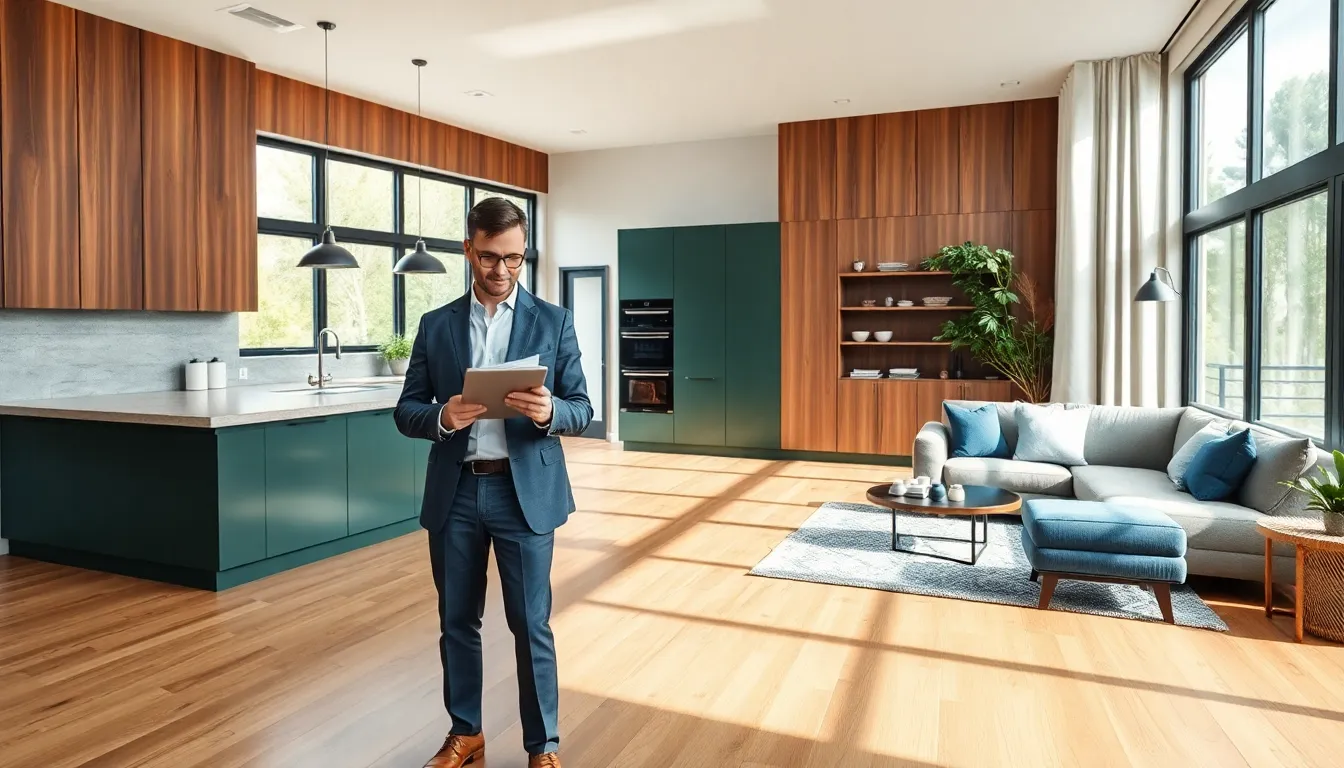
Deep greens, rich blues, and warm terracotta tones dominate current palettes. These colors create atmosphere without overwhelming spaces. Many designers recommend bold colors on cabinetry while keeping walls neutral, this approach allows changes without major expense.
Natural textures balance vivid colors effectively. Stone, wood, linen, and wool add visual warmth and tactile interest. The combination feels grounded rather than clinical.
Textured walls have gained popularity as flat drywall feels increasingly dated. Lime wash, venetian plaster, and clay finishes create depth and movement. These treatments work particularly well in living areas and bedrooms.
Wood tones have shifted warmer. The gray-washed and blonde woods popular in recent years are giving way to honey, walnut, and cherry tones. This shift brings coziness to spaces that previously felt sterile.
Metal accents continue to mix freely. Brass, black iron, chrome, and copper appear together in single rooms. The old rules about matching metals have relaxed considerably.
Pattern has returned to tile design. Geometric shapes, hand-painted looks, and vintage-inspired motifs appear in kitchens and bathrooms. Solid subway tiles still have their place, but homeowners increasingly want visual interest.
Wellness-Focused Design Elements
Health and wellness now influence home renovation ideas significantly. Homeowners want their spaces to actively support physical and mental wellbeing.
Air quality improvements lead this trend. HVAC systems with HEPA filtration, UV air purifiers, and whole-home ventilation systems remove allergens and pathogens. Some renovation projects include air quality monitors that display real-time readings.
Water filtration systems have expanded beyond drinking water. Whole-house systems now remove chlorine and other chemicals from shower and bath water. Proponents cite skin and hair health benefits.
Natural light maximization drives many architectural decisions. Larger windows, skylights, and sun tunnels bring daylight deeper into homes. Studies consistently link natural light exposure to improved mood and sleep quality.
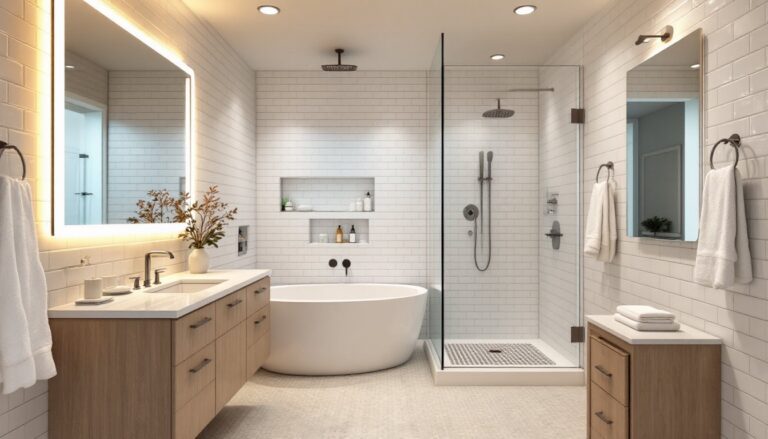
Bathrooms have transformed into spa-like retreats. Steam showers, soaking tubs, and heated floors create resort experiences at home. Many renovations include space for meditation or stretching.
Biophilic design, incorporating natural elements and plant life, influences 2026 home renovation projects. Living walls, indoor planters, and nature-inspired materials connect occupants with the outdoors. Research suggests these elements reduce stress and improve concentration.
Sound management receives increased attention too. Acoustic panels, better insulation, and white noise systems help create peaceful environments. This matters especially for those working from home or living in urban areas.
These wellness features often qualify for energy rebates or tax credits, making them financially sensible as well as beneficial for health.