
Table of Contents
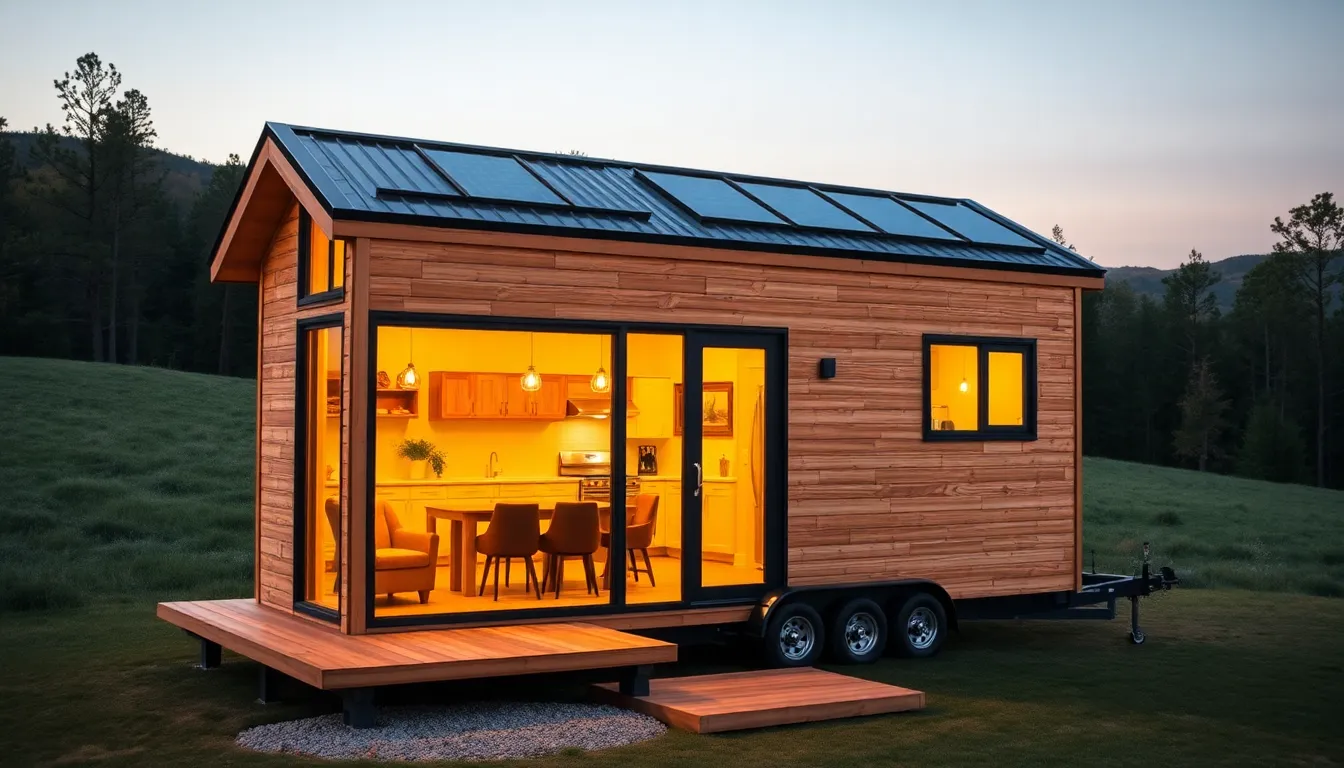
ToggleTop tiny homes have become a practical solution for people seeking simpler, more affordable living. The tiny home movement continues to grow in 2025 as housing costs rise and environmental awareness increases. These compact dwellings, typically under 400 square feet, offer freedom from large mortgages, reduced utility bills, and a smaller carbon footprint.
Whether buyers want mobility, permanence, budget-friendly options, or upscale finishes, the market now offers something for everyone. This guide covers the best tiny homes available today, from road-ready models to stationary structures, and from entry-level builds to luxury designs that prove small doesn’t mean sacrificing style.
Key Takeaways
- Top tiny homes in 2025 offer options for every budget, from DIY kits under $10,000 to luxury builds exceeding $150,000.
- The best tiny homes prioritize space efficiency, durable construction, energy-saving features, and code compliance for easier financing and insurance.
- Mobile tiny homes on wheels like the Escape Traveler and Tumbleweed Roanoke provide flexibility for remote workers and those who prefer a location-independent lifestyle.
- Stationary tiny homes and ADUs from brands like Abodu and Boxabl offer permanent, permit-ready solutions ideal for guest houses or rental income.
- Budget-conscious buyers can save 30-70% by purchasing pre-owned tiny homes, building from kits, or taking the DIY route.
- Luxury tiny homes from builders like New Frontier and Wheelhaus prove that compact living can include high-end finishes and smart home technology.
What Makes a Great Tiny Home
A great tiny home balances functionality with comfort. Space efficiency matters most, every square foot should serve a purpose. Smart storage solutions like built-in cabinets, under-floor compartments, and multi-functional furniture help maximize limited space.
Build quality determines longevity. Top tiny homes use durable materials such as steel framing, high-grade insulation, and weather-resistant exteriors. Buyers should examine construction standards before purchasing.
Energy efficiency also plays a key role. The best tiny homes include features like solar panel compatibility, LED lighting, tankless water heaters, and Energy Star appliances. These additions lower monthly costs and reduce environmental impact.
Customization options separate good tiny homes from great ones. Buyers benefit from floor plan flexibility, finish selections, and upgrade packages. A tiny home should fit its owner’s lifestyle, not force compromises.
Finally, legal compliance matters. Top tiny homes meet building codes and certification standards like RVIA (Recreational Vehicle Industry Association) or local residential requirements. Certification simplifies insurance, financing, and placement options.
Best Tiny Homes on Wheels
Tiny homes on wheels appeal to those who value mobility and flexibility. These structures sit on trailers, allowing owners to relocate without selling property.
Escape Traveler ranks among the top tiny homes on wheels for 2025. This 269-square-foot model features a full kitchen, bathroom with tub, and sleeping loft. Prices start around $63,000 for the base model.
Tumbleweed Roanoke offers a classic design with modern amenities. At 217 square feet, it includes a living area, bedroom loft, and compact kitchen. The starting price sits near $89,000, reflecting premium construction quality.
Land Ark Drake provides a sleeker aesthetic for design-conscious buyers. This 250-square-foot home features floor-to-ceiling windows, a standing-height bedroom loft, and clean Scandinavian styling. Prices begin around $129,000.
Minimaliste Nomad comes from a Canadian manufacturer known for cold-climate performance. The 300-square-foot model handles harsh winters well and offers prices starting at approximately $95,000.
These mobile tiny homes work best for remote workers, retirees, and anyone who prefers changing scenery over permanent roots.
Top Stationary Tiny Homes
Stationary tiny homes sit on permanent foundations. They often qualify as Accessory Dwelling Units (ADUs), making them easier to finance and insure than mobile versions.
Abodu leads the ADU market with permit-ready designs. Their 500-square-foot model includes a full kitchen, bathroom, bedroom, and living space. Prices range from $199,000 to $350,000 depending on location and finishes. Abodu handles permitting, which speeds up installation.
Boxabl Casita gained attention for its folding design that ships in a compact package. This 375-square-foot home unfolds on-site and includes kitchen appliances. Prices start around $50,000, though waitlists remain long.
SHED Tiny Homes builds custom stationary structures with architectural appeal. Their designs feature high ceilings, large windows, and premium materials. Prices typically range from $80,000 to $150,000.
Bunch Microvillage offers modular tiny homes designed for community settings. These units connect or stand alone, with prices starting near $75,000 per structure.
Stationary tiny homes suit buyers who own land and want permanent, code-compliant structures. They work well as primary residences, guest houses, or rental units.
Affordable Tiny Home Options
Budget-conscious buyers can find quality tiny homes without spending six figures. Several manufacturers offer well-built options under $50,000.
Tiny House Listings connects buyers with pre-owned tiny homes. Used models often sell for 30-50% below new prices. A well-maintained used tiny home might cost $25,000 to $40,000.
84 Lumber sells tiny home kits that owners build themselves. Their Roving model starts at $6,884 for materials only. Assembly requires construction skills, but savings reach 50-70% compared to turnkey options.
Jamaica Cottage Shop offers shell kits for tiny homes. Their 16×20 Vermont Cottage shell costs around $10,000. Buyers finish the interior themselves, controlling costs along the way.
Incredible Tiny Homes produces budget-friendly finished models. Their basic 200-square-foot homes start near $35,000 complete. These include kitchen, bathroom, and sleeping areas.
DIY builds remain the most affordable path. Material costs for a basic tiny home run $10,000 to $30,000. Owners who handle construction save on labor, though the process requires time and skills.
These affordable tiny home options prove compact living doesn’t require massive budgets. First-time buyers and those prioritizing debt-free living should explore these lower-cost paths.
Luxury Tiny Homes Worth the Investment
Luxury tiny homes demonstrate that small spaces can include high-end features. These premium options range from $150,000 to $400,000 or more.
New Frontier Tiny Homes builds some of the top tiny homes for discerning buyers. Their Alpha model features cedar siding, copper accents, and chef-quality appliances. Custom builds start around $185,000.
Wheelhaus creates modern tiny homes with luxury finishes. Their Wedge model includes heated floors, quartz countertops, and spa-style bathrooms. Prices begin near $165,000.
Movable Roots focuses on custom luxury builds. They offer features like wine storage, home offices, and outdoor living spaces. Projects typically range from $120,000 to $200,000.
Truform Tiny produces architecturally distinctive homes. Their designs emphasize natural light, premium materials, and integrated smart home technology. Prices vary based on specifications but commonly exceed $150,000.
Luxury tiny homes attract buyers who want compact living without sacrificing comfort. These models suit vacation properties, upscale rentals, and primary residences for those who value quality over quantity.