
Table of Contents
ToggleTiny homes tips can transform a cramped 400-square-foot space into a comfortable, functional dwelling. The tiny home movement has grown significantly, with over 10,000 tiny homes built in the United States each year. Living small doesn’t mean living without comfort. It means living with intention.
This guide covers practical strategies for maximizing every square inch. From vertical storage to foundation choices, these tiny homes tips help new and experienced small space dwellers create homes that work. Whether someone is downsizing by choice or building their first compact dwelling, these strategies deliver real results.
Key Takeaways
- Maximize vertical space with loft beds, wall-mounted desks, and floor-to-ceiling shelving to triple your storage without sacrificing floor area.
- Invest in multi-functional furniture like Murphy beds and storage ottomans—one piece performing multiple jobs is essential for tiny homes tips that actually work.
- Research local zoning laws and foundation options before committing, as location decisions affect legality, utility access, and long-term livability.
- Prioritize hidden storage solutions like stair drawers, under-floor compartments, and door-mounted organizers to keep small spaces clutter-free.
- Design for natural light and airflow using skylights, cross-ventilation, and light-colored walls to make your tiny home feel larger and reduce energy costs.
- Embrace minimalism by focusing on quality over quantity—digital substitutions, capsule wardrobes, and multi-use items simplify tiny home living.
Maximize Vertical Space and Multi-Functional Furniture
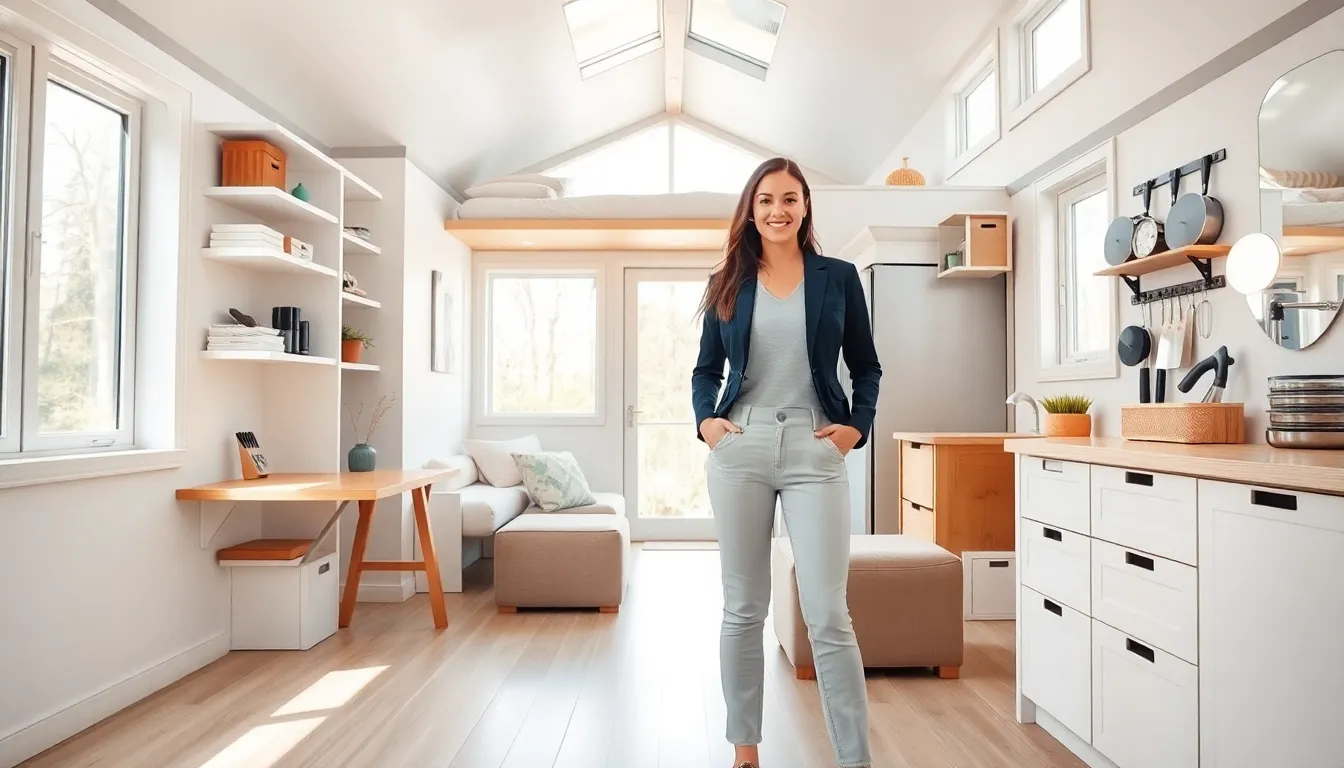
Vertical space is the most underused asset in tiny homes. Walls offer storage and living opportunities that many homeowners overlook. Installing shelving from floor to ceiling can triple available storage without taking up floor space.
Here are effective ways to use vertical space:
- Loft beds: Sleep elevated and reclaim floor space for a living area or home office
- Wall-mounted desks: Fold-down work surfaces disappear when not in use
- Hanging pot racks: Kitchen storage moves up, freeing cabinet space
- Vertical gardens: Grow herbs on wall-mounted planters
Multi-functional furniture is another key element of tiny homes tips that actually work. A sofa bed serves two purposes. A dining table with built-in storage handles meals and organization. Ottoman cubes provide seating, storage, and sometimes even a coffee table surface.
The Murphy bed remains one of the best investments for tiny living. Modern versions include attached desks, shelving, or sofas. One piece of furniture performs three or four jobs. That’s smart design.
Custom-built furniture often fits tiny spaces better than standard retail options. A bench that fits exactly into a window nook with hidden compartments underneath beats any off-the-shelf solution. Many tiny home dwellers learn basic carpentry skills to create pieces that fit their specific dimensions.
Choose the Right Location and Foundation
Location decisions affect every aspect of tiny home living. Zoning laws vary dramatically between cities, counties, and states. Some areas welcome tiny homes. Others restrict them heavily or ban them outright.
Before purchasing land or a trailer, research local regulations thoroughly. Key questions include:
- Does the area allow tiny homes as primary residences?
- What minimum square footage requirements exist?
- Are there restrictions on wheels versus permanent foundations?
- What utility hookup options are available?
Foundation type determines mobility and permanence. Tiny homes on wheels offer flexibility but face different regulations than permanent structures. They often fall under RV classifications, which can limit where someone can legally live full-time.
Permanent foundations include concrete slabs, pier and beam systems, and basement options. Each has cost and climate considerations. Cold climates benefit from foundations below the frost line. Hot, humid areas often do well with raised pier systems that allow airflow underneath.
Climate also affects location choices. A tiny home in Arizona needs different insulation and ventilation than one in Minnesota. Sun exposure, wind patterns, and rainfall all influence design decisions. Spending time in an area before committing helps reveal seasonal challenges that photos and websites don’t show.
These tiny homes tips about location save money and headaches. Getting location wrong creates problems that expensive renovations can’t always fix.
Prioritize Smart Storage Solutions
Storage makes or breaks tiny home living. Without smart storage, small spaces become cluttered and stressful. With thoughtful organization, even 200 square feet can feel spacious.
The best tiny homes tips for storage focus on hidden and dual-purpose solutions:
- Stair drawers: Each step becomes a drawer for clothes, tools, or pantry items
- Under-floor compartments: Lift-up floor sections reveal storage for seasonal items
- Ceiling storage: Nets or platforms above living areas hold lightweight items
- Door-mounted organizers: The back of every door becomes usable space
Kitchens need special attention. Magnetic knife strips, hanging utensil rails, and stackable containers maximize cabinet efficiency. Pot lids stored vertically take less space than stacked horizontally. Drawer dividers keep utensils organized and accessible.
Bathrooms benefit from over-toilet shelving, shower caddies, and medicine cabinets with deep shelves. Towel hooks work better than towel bars in tight spaces. A small tension rod under the sink creates hanging storage for spray bottles.
The rule of thumb: if something sits unused for a year, it probably doesn’t belong in a tiny home. Regular decluttering sessions keep possessions manageable. Many tiny home residents follow a one-in-one-out policy, when something new arrives, something old leaves.
Design for Natural Light and Airflow
Natural light transforms tiny spaces. Dark, enclosed rooms feel smaller than they are. Bright, well-lit spaces feel open and welcoming. Strategic window placement ranks among the most important tiny homes tips for livability.
Skylights add light without sacrificing wall space for windows. They work especially well in loft sleeping areas. Clerestory windows, placed high on walls, bring light deep into interiors while maintaining privacy.
Window selection matters. Large windows brighten spaces but can create heat loss in winter and heat gain in summer. Double-paned or triple-paned glass improves energy efficiency. Properly sized overhangs shade summer sun while allowing winter sun to enter.
Airflow keeps tiny homes comfortable without relying entirely on mechanical systems. Cross-ventilation requires openable windows on opposite walls. Air enters one side and exits the other, creating natural cooling. Ceiling fans help circulate air in spaces where cross-ventilation isn’t possible.
Light-colored walls and ceilings reflect natural light and make spaces appear larger. Mirrors strategically placed opposite windows double the light effect. Glass or acrylic room dividers maintain separation without blocking light flow.
These design choices reduce energy costs and improve daily comfort. A well-lit, well-ventilated tiny home feels significantly larger than its square footage suggests.
Embrace Minimalism and Intentional Living
Tiny home living requires a different relationship with possessions. The space simply won’t accommodate excess. This limitation becomes freedom for many residents.
Minimalism in tiny homes isn’t about deprivation. It’s about choosing quality over quantity. One excellent chef’s knife beats a drawer full of mediocre blades. A versatile wardrobe of 30 pieces serves better than a closet stuffed with 100 rarely-worn items.
Practical tiny homes tips for embracing minimalism include:
- Digital substitution: E-books, streaming services, and digital photos replace physical media
- Capsule wardrobes: Fewer, better clothes that mix and match
- Multi-use items: Tools and gadgets that serve multiple purposes
- Experience focus: Spending money on experiences rather than objects
Intentional living extends beyond possessions. Tiny home dwellers often report more time outdoors, stronger community connections, and clearer financial priorities. Without a large mortgage payment, many achieve debt freedom faster. Some work fewer hours or pursue passion projects.
The adjustment takes time. Most people moving into tiny homes spend months sorting through belongings, deciding what truly matters. The process reveals habits and attachments that went unexamined for years. It’s challenging but often described as liberating.
These tiny homes tips work together. Smart storage supports minimalism. Good lighting makes small spaces pleasant. The right location provides community and legal peace of mind. Each element reinforces the others.