
Table of Contents
ToggleTiny homes ideas have transformed how people think about living spaces. These compact dwellings prove that square footage doesn’t define comfort or style. Whether someone dreams of a mobile tiny house on wheels or a permanent small footprint home, creative design makes all the difference.
The tiny home movement continues to grow as more people seek affordable housing, simpler lifestyles, and reduced environmental impact. This guide explores practical tiny homes ideas that maximize every inch of available space. From clever storage solutions to multifunctional furniture, these strategies help turn even the smallest dwelling into a functional, beautiful home.
Key Takeaways
- Tiny homes ideas focus on maximizing every inch through vertical storage, hidden compartments, and under-bed solutions.
- Multifunctional furniture like Murphy beds and fold-down tables allows small spaces to serve multiple purposes throughout the day.
- Loft-style layouts remain popular tiny homes ideas because they effectively double usable living space.
- Outdoor living areas such as decks, patios, and outdoor kitchens extend your functional space without increasing the home’s footprint.
- Modular and convertible furniture pieces provide flexibility for entertaining, working, and daily living in compact dwellings.
- Auxiliary structures like sheds and detached offices offer additional functionality for permanent tiny home installations.
Maximizing Space With Smart Storage Solutions
Storage presents the biggest challenge in tiny homes. Smart solutions turn dead space into functional areas without cluttering the living environment.
Vertical Storage Strategies
Walls offer valuable real estate in tiny homes. Floor-to-ceiling shelving units store books, décor, and everyday items without eating into floor space. Pegboard systems work great in kitchens and workspaces, keeping tools and utensils visible and accessible. Hanging pot racks free up cabinet space while adding a rustic aesthetic.
Hidden Storage Opportunities
Tiny homes ideas often focus on hidden compartments. Stairs with built-in drawers provide substantial storage for clothing, linens, or seasonal items. Toe-kick drawers beneath kitchen cabinets capture otherwise wasted space. Hollow ottomans and benches serve double duty as seating and storage.
Under-bed storage remains essential in tiny home design. Platform beds with deep drawers can hold an entire wardrobe. Some designs incorporate hydraulic lifts that raise the mattress to reveal large storage cavities underneath.
Creative Kitchen Storage
Kitchens demand efficient organization in small spaces. Magnetic knife strips and spice racks mount directly to walls. Pull-out pantry systems fit into narrow gaps between appliances. Corner cabinets with lazy Susans maximize awkward spaces that might otherwise go unused.
Nested containers and stackable cookware reduce the footprint of kitchen essentials. Many tiny home dwellers invest in quality multi-purpose items rather than single-use gadgets.
Multifunctional Furniture and Convertible Designs
Furniture that serves multiple purposes defines successful tiny homes ideas. Each piece should earn its place by performing at least two functions.
Murphy Beds and Sleep Solutions
Murphy beds fold up into walls during the day, reclaiming entire rooms for other activities. Modern versions include built-in desks, sofas, or shelving that function when the bed is stored. Some tiny home builders install loft beds to create distinct sleeping and living zones within a single open space.
Convertible sofas have improved dramatically in recent years. Quality sofa beds now offer real comfort for both sitting and sleeping. Pull-out trundle options work well for hosting occasional guests.
Dining and Work Surfaces
Fold-down tables attach to walls and drop when needed. These save significant floor space compared to permanent dining tables. Some tiny homes ideas include countertops that extend on hinges, creating breakfast bars or extra prep space.
Sliding or pivoting room dividers can transform from walls into desks or tables. This approach works particularly well in tiny homes where residents work from home and need dedicated office space.
Modular Seating Options
Modular furniture pieces rearrange to suit different needs. A set of cubes might stack into a bookshelf, spread into seating for guests, or combine into a coffee table. This flexibility proves invaluable in tiny homes where entertaining happens in the same space used for daily living.
Popular Tiny Home Layouts and Floor Plans
The best tiny homes ideas start with thoughtful floor plans. Layout choices depend on lifestyle, climate, and personal preferences.
Single-Story Designs
Single-story tiny homes work well for those who prefer not to climb stairs daily. Open floor plans with combined kitchen-living-dining areas maximize the sense of space. Strategic placement of the bathroom and bedroom at opposite ends creates distinct zones without walls.
Some single-story designs use bump-outs or bay windows to add visual interest and a few extra square feet. These architectural features also increase natural light.
Loft-Style Layouts
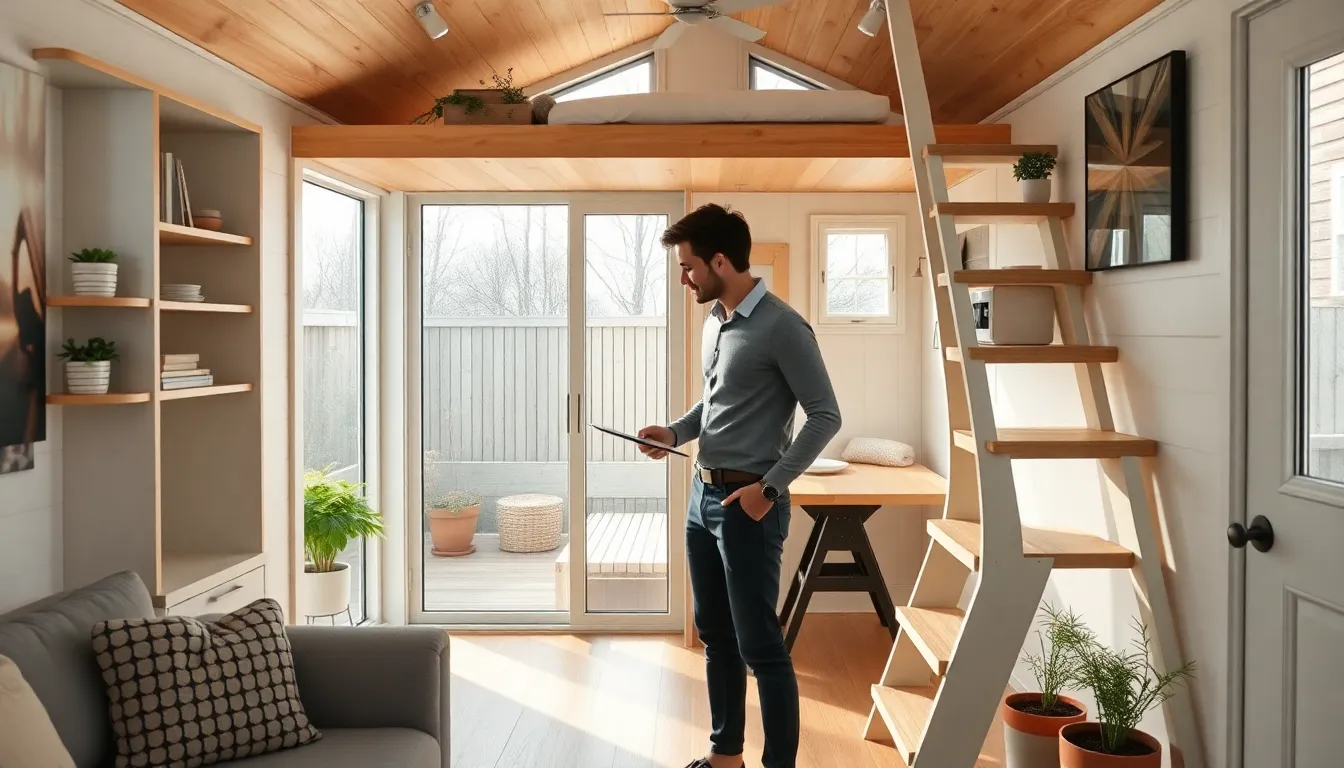
Loft tiny homes ideas remain incredibly popular. Sleeping lofts above living areas essentially double usable space. Ceiling height determines loft comfort, aim for at least 3-4 feet of headroom. Some designs include two lofts for additional sleeping quarters or storage.
Ladders, ship ladders, or alternating tread stairs provide loft access. Each option offers different trade-offs between space savings and ease of use.
Tiny Homes on Wheels
Tiny homes on wheels must comply with trailer width and height restrictions. Most max out around 8.5 feet wide and 13.5 feet tall. These constraints push creative tiny homes ideas, including slide-out sections that expand living space once parked.
Gooseneck trailers allow higher ceilings in the bedroom area by positioning that room over the truck hitch.
Outdoor Living and Expanding Your Space
Smart tiny homes ideas extend living areas beyond four walls. Outdoor spaces effectively increase usable square footage without adding to the home’s footprint.
Decks and Patios
Wrap-around decks create outdoor rooms for dining, relaxing, or working. Covered porches allow year-round use regardless of weather. Some tiny home owners build detached deck platforms that connect to their homes via short walkways.
Folding glass doors or large sliding doors blur the line between indoor and outdoor spaces. When opened, they make interiors feel much larger.
Outdoor Kitchens and Cooking Areas
An outdoor kitchen takes pressure off the tiny indoor cooking space. Simple setups include a grill, prep counter, and storage cabinet. More elaborate versions add sinks, refrigerators, and pizza ovens. This approach keeps cooking odors outside and reduces heat buildup during summer months.
Garden Spaces and Vertical Growing
Container gardens let tiny home residents grow food without permanent garden beds, helpful for those on wheels. Vertical gardens on exterior walls add greenery without sacrificing ground space. Window boxes bring herbs within easy reach of the kitchen.
Auxiliary Structures
Sheds, workshops, and guest houses expand functionality for tiny home properties. A detached office provides separation between work and living spaces. Bathhouses can free up interior square footage in the main dwelling. These tiny homes ideas work best for permanent installations with available land.