
Table of Contents
ToggleLearning how to build a tiny home starts with one question: How much space do you actually need? The tiny home movement has grown from a niche lifestyle choice into a practical housing solution for thousands of Americans. These compact dwellings, typically under 400 square feet, offer financial freedom, environmental benefits, and a simpler way of living.
This guide covers everything beginners need to know about building a tiny home. From planning and foundation choices to budgeting and construction steps, each section breaks down the process into manageable parts. Whether someone wants to escape high rent, reduce their carbon footprint, or simply own a home outright, this article provides the roadmap to get started.
Key Takeaways
- Building a tiny home typically costs $30,000 to $60,000, allowing many owners to live mortgage-free compared to traditional housing.
- Research local zoning laws and permit requirements before starting your tiny home build to avoid fines or forced relocation.
- Choose your foundation type carefully—trailers offer mobility, while permanent foundations provide stability and easier financing options.
- A DIY tiny home build requires 500 to 1,000 hours of labor but can save $20,000 to $65,000 compared to hiring contractors.
- Budget for hidden costs like permits, land rental, utility hookups, and insurance, which can add $2,000 to $10,000 to your project.
- Follow the seven essential construction steps in order—from foundation prep through fixture installation—to avoid structural problems.
What Is a Tiny Home and Why Choose One?
A tiny home is a residential structure that typically measures between 100 and 400 square feet. These homes come in two main varieties: those built on wheels (often called THOWs) and those constructed on permanent foundations. Both options provide full living quarters, including kitchens, bathrooms, sleeping areas, and storage spaces.
People choose tiny homes for several compelling reasons. First, the cost savings are significant. The average tiny home costs between $30,000 and $60,000 to build, compared to the median U.S. home price of over $400,000. This price difference allows many owners to live mortgage-free.
Second, tiny homes reduce environmental impact. Smaller spaces require less energy to heat and cool. Many tiny home builders incorporate solar panels, composting toilets, and rainwater collection systems. These features lower utility bills and carbon footprints simultaneously.
Third, the lifestyle appeals to those seeking simplicity. A tiny home forces its occupants to keep only what they truly need. This minimalist approach often leads to less stress, more savings, and greater mobility.
Finally, tiny homes offer flexibility. Owners can place them in backyards as accessory dwelling units, park them in tiny home communities, or move them to new locations entirely. This adaptability makes tiny home living attractive to remote workers, retirees, and young professionals alike.
Planning Your Tiny Home Build
Successful tiny home construction begins with thorough planning. Before purchasing materials or breaking ground, builders must address several key considerations.
Zoning and Legal Requirements
Local zoning laws determine where someone can legally place a tiny home. Some municipalities classify tiny homes as RVs, while others treat them as accessory dwelling units or single-family residences. Research local building codes, minimum square footage requirements, and permit processes before starting any project. Skipping this step can result in fines or forced relocation.
Design Decisions
Tiny home designs range from rustic cabins to modern minimalist spaces. Key design choices include:
- Layout configuration (open floor plan vs. defined rooms)
- Loft placement for sleeping or storage
- Window sizes and placement for natural light
- Bathroom setup (composting vs. traditional plumbing)
- Kitchen appliances and counter space
Many first-time builders purchase pre-made tiny home plans online. These blueprints typically cost between $200 and $1,000 and save significant design time.
Choosing the Right Foundation Type
The foundation choice shapes every other aspect of a tiny home build. Each option has distinct advantages.
Trailer Foundations
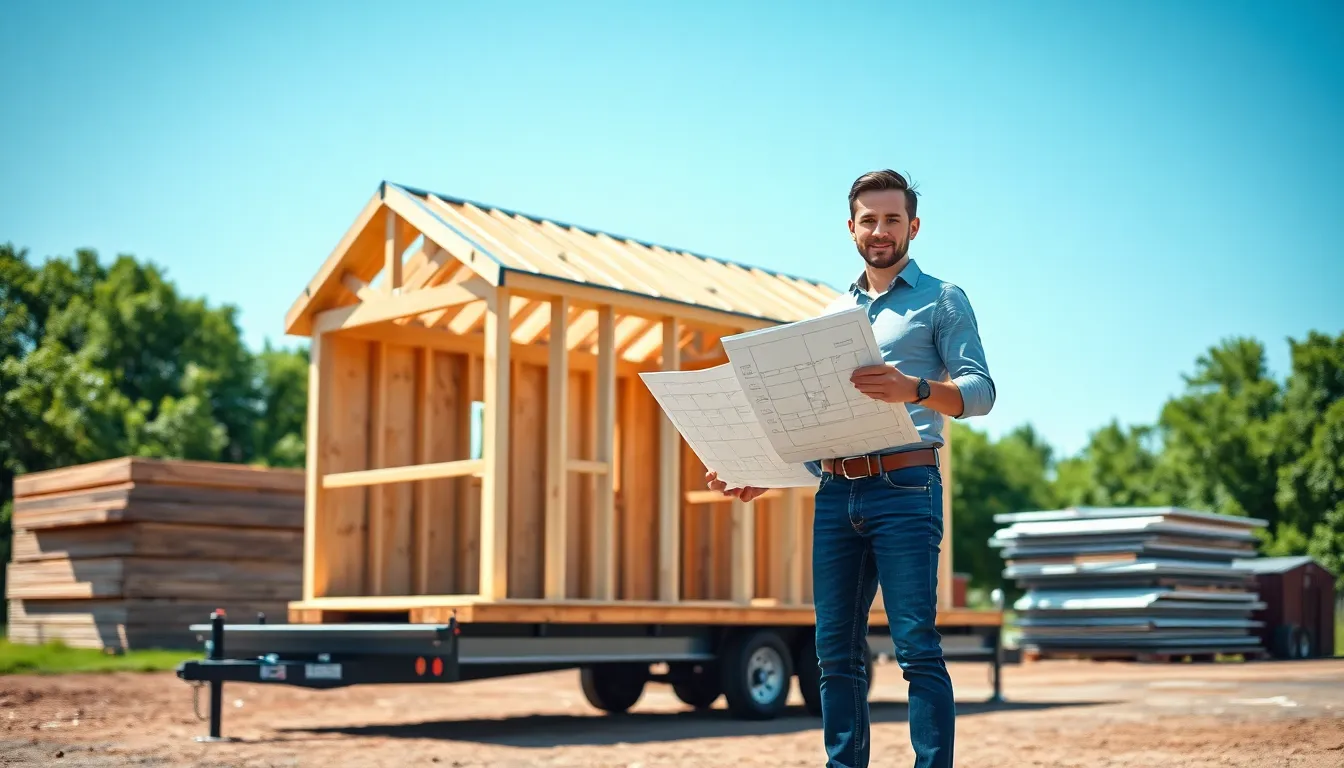
Most tiny homes on wheels sit on flatbed trailers designed for this purpose. A quality tiny house trailer costs $4,000 to $8,000 depending on size and weight capacity. This foundation type offers mobility and often avoids permanent structure regulations. But, trailer-based homes face road width and height restrictions during transport.
Permanent Foundations
Concrete slab, pier, or crawl space foundations anchor tiny homes to one location. These options typically cost more upfront but provide greater stability. Permanent foundations also make financing and insurance easier to obtain.
Skid Foundations
Skid foundations use pressure-treated lumber beams placed directly on the ground. This option works well for those who want a semi-permanent setup without the cost of concrete. Skid foundations allow future relocation with heavy equipment.
Essential Steps to Building a Tiny Home
Building a tiny home follows a logical sequence. Each phase builds upon the previous one.
Step 1: Prepare the Foundation
For trailer builds, this means purchasing and leveling the trailer. For permanent foundations, it involves site preparation, pouring concrete, or setting piers. Proper foundation work prevents structural problems later.
Step 2: Frame the Structure
Framing creates the skeleton of the tiny home. Most builders use 2×4 lumber for walls and 2×6 for floors and roofs. Steel framing offers a lighter alternative for trailer-based builds where weight matters. The framing phase typically takes one to two weeks for experienced builders.
Step 3: Install Sheathing and Roofing
Plywood or OSB sheathing covers the frame, creating exterior walls. Roofing materials range from metal panels to asphalt shingles. Metal roofing costs more but lasts longer and weighs less, an important consideration for mobile tiny homes.
Step 4: Add Windows and Doors
Quality windows and doors improve energy efficiency and security. Many tiny home builders use RV-style windows for their lighter weight and easy installation.
Step 5: Run Electrical and Plumbing
This step requires careful planning. Many jurisdictions require licensed professionals for electrical work. Plumbing choices depend on whether the tiny home connects to municipal services or operates off-grid.
Step 6: Insulate and Finish Interior
Spray foam insulation provides the best R-value per inch, making it popular for space-limited tiny homes. Interior finishing includes drywall or wood paneling, flooring installation, and trim work.
Step 7: Install Fixtures and Appliances
The final construction phase involves adding cabinets, countertops, bathroom fixtures, and appliances. Space-saving appliances designed for RVs or apartments work well in tiny homes.
Budgeting and Cost Considerations
Understanding tiny home costs helps builders avoid financial surprises. The total investment depends on several factors.
DIY vs. Professional Build
Builders who do the work themselves spend $15,000 to $35,000 on materials for a basic tiny home. Hiring contractors increases costs to $50,000 to $100,000 or more for a turnkey build. The DIY approach requires significant time, often 500 to 1,000 hours of labor.
Major Cost Categories
| Category | Typical Cost Range |
|---|---|
| Trailer/Foundation | $4,000 – $10,000 |
| Framing Materials | $3,000 – $6,000 |
| Roofing | $1,000 – $3,000 |
| Windows and Doors | $1,500 – $4,000 |
| Electrical System | $1,000 – $3,000 |
| Plumbing | $1,000 – $3,000 |
| Insulation | $500 – $2,000 |
| Interior Finishing | $3,000 – $8,000 |
| Appliances | $2,000 – $5,000 |
Hidden Costs to Consider
Many first-time tiny home builders forget to budget for permits, land rental fees, utility hookups, and tools. These expenses can add $2,000 to $10,000 to the total project cost. Insurance for tiny homes also varies widely based on foundation type and location.
Financing Options
Traditional mortgages rarely apply to tiny homes. Instead, builders often use personal loans, RV loans, or specialized tiny home financing programs. Some credit unions offer specific tiny home loan products with competitive rates.