
Table of Contents
ToggleTiny homes vs traditional houses represents one of the most debated housing choices today. With rising property costs and shifting lifestyle priorities, more people are questioning whether bigger really means better. A tiny home typically offers under 400 square feet of living space, while traditional houses average around 2,300 square feet in the United States. This difference affects everything from monthly expenses to daily routines. The right choice depends on budget, location preferences, and personal values. This guide breaks down the key differences between tiny homes vs traditional houses so readers can make an well-informed choice.
Key Takeaways
- Tiny homes vs traditional houses differ dramatically in cost—tiny homes range from $30,000–$60,000, while traditional homes exceed $400,000 median price.
- Tiny homes offer significantly lower monthly expenses, with utility bills often under $50 compared to the higher costs of heating and cooling larger spaces.
- Zoning laws and financing options present unique challenges for tiny home buyers, so research local regulations before committing.
- Traditional houses provide better investment potential with strong appreciation, established financing markets, and clear building codes.
- The best choice between tiny homes vs traditional houses depends on your lifestyle—minimalists and singles may thrive in tiny spaces, while families typically need traditional square footage.
- Tiny homes on wheels offer location flexibility, while traditional houses provide stability and room for growing families and changing needs.
What Defines a Tiny Home?
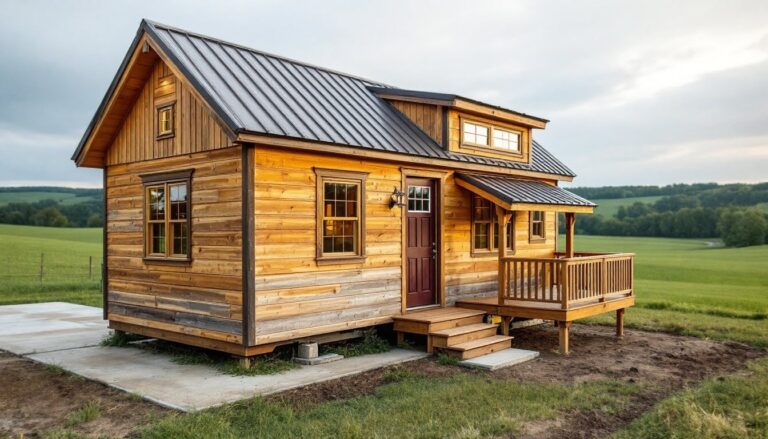
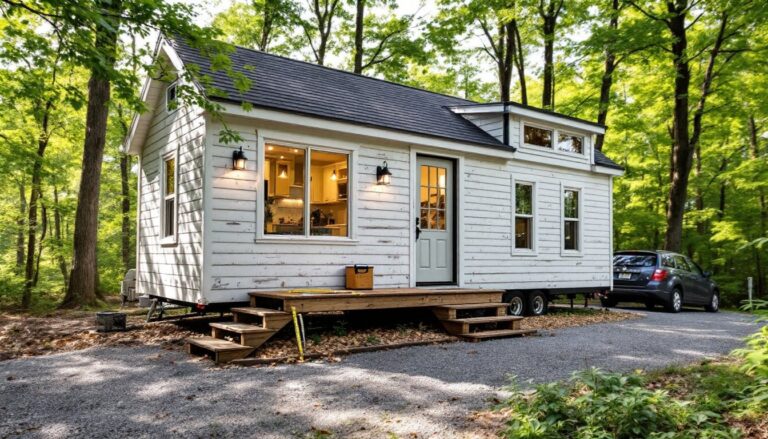
A tiny home is a dwelling that measures under 400 square feet. Some definitions stretch this limit to 600 square feet, but most enthusiasts stick to the smaller end. These compact structures come in several forms: tiny houses on wheels, converted shipping containers, accessory dwelling units (ADUs), and purpose-built micro-cabins.
The tiny home movement gained momentum in the early 2000s. Financial pressures, environmental concerns, and a desire for simplicity pushed many Americans toward smaller living spaces. Today, the tiny home market continues to grow, with an estimated value of over $5 billion globally.
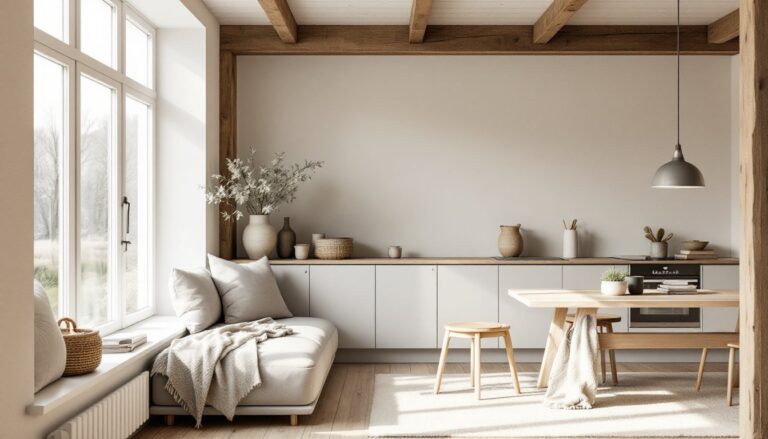
Tiny homes vs traditional houses differ in fundamental ways beyond square footage. Tiny homes often prioritize multi-functional furniture, vertical storage, and open floor plans. A single room might serve as bedroom, living area, and office. Lofted sleeping spaces maximize floor area. Every inch serves a purpose.
Zoning laws present a significant consideration. Many municipalities don’t have clear regulations for tiny homes. Some areas classify them as RVs, while others require them to meet standard building codes. Potential buyers should research local regulations before purchasing or building a tiny home.
Cost Comparison: Tiny Homes vs Traditional Houses
The cost difference between tiny homes vs traditional houses is substantial. A professionally built tiny home typically costs between $30,000 and $60,000. DIY builds can reduce this to $10,000-$30,000, depending on materials and features. Meanwhile, the median price for a traditional home in the U.S. exceeded $400,000 in 2024.
Monthly expenses also diverge sharply. Tiny home owners often report utility bills under $50 per month. Heating and cooling a 300-square-foot space requires far less energy than maintaining a 2,000-square-foot house. Property taxes drop significantly too, if they apply at all. Many tiny homes on wheels avoid property taxes entirely.
Mortgage considerations favor tiny homes for those seeking debt-free living. Traditional houses typically require 15-30 year mortgages with interest payments that can double the total cost. Tiny homes can often be purchased outright or financed through personal loans with shorter terms.
But, tiny homes present unique financial challenges. They don’t appreciate in value like traditional real estate. Finding insurance can prove difficult. And financing options remain limited compared to conventional mortgages. Some lenders won’t finance tiny homes at all.
Maintenance costs favor tiny homes in raw numbers but not always in proportion. A roof replacement costs less on a tiny home, but the per-square-foot expense might be higher. Specialty components and custom solutions can add up quickly.
Lifestyle and Space Considerations
Daily life looks different in a tiny home vs traditional house. Space constraints force intentional living. Every possession must earn its place. This appeals to minimalists but frustrates collectors. Couples and families face particular challenges, shared spaces leave little room for privacy or personal hobbies.
Storage solutions become creative necessities. Stairs double as drawers. Walls hide fold-down desks. Outdoor areas extend living space during fair weather. Successful tiny home dwellers learn to rotate seasonal items and embrace digital alternatives to physical media.
Work-from-home arrangements require extra planning in tiny homes. Dedicated office space rarely exists. Background noise travels easily in compact quarters. Video calls might require scheduling around other household members.
Traditional houses offer separation and flexibility. Spare rooms accommodate guests, hobbies, or changing family needs. Storage space allows for equipment, supplies, and seasonal decorations. Multiple bathrooms reduce morning conflicts.
Location freedom differs between these housing options. Tiny homes on wheels can relocate, offering flexibility for those who want to explore different areas or follow job opportunities. Traditional houses anchor owners to specific communities, which some view as stability and others see as limitation.
Entertainment and social gatherings present obvious constraints in tiny spaces. Hosting dinner parties or holiday celebrations typically requires outdoor space or alternative venues. Traditional houses accommodate larger groups with ease.
Pros and Cons of Each Option
Tiny Homes: Advantages
- Lower purchase price and potential for debt-free ownership
- Reduced utility costs and environmental footprint
- Simplified cleaning and maintenance routines
- Mobility options with homes on wheels
- Forced decluttering leads to intentional consumption
Tiny Homes: Disadvantages
- Limited space for families or couples
- Zoning and legal complications in many areas
- Difficult financing and insurance options
- Poor resale value and appreciation potential
- Storage constraints affect hobbies and possessions
Traditional Houses: Advantages
- Space for growing families and changing needs
- Strong appreciation potential as real estate investment
- Established financing and insurance markets
- Clear zoning regulations and building codes
- Room for guests, hobbies, and home offices
Traditional Houses: Disadvantages
- Higher purchase price requiring long-term debt
- Increased utility costs and maintenance expenses
- More cleaning and upkeep responsibilities
- Fixed location limits flexibility
- Encourages accumulation of unnecessary possessions
The tiny homes vs traditional houses debate doesn’t have a universal winner. Single individuals seeking financial freedom and minimalist living often thrive in tiny spaces. Families with children, home-based businesses, or extensive hobbies typically need traditional square footage.