Table of Contents
ToggleTiny homes have transformed how people think about housing, ownership, and daily life. These compact dwellings, typically under 400 square feet, offer an alternative to traditional real estate that appeals to minimalists, retirees, young professionals, and anyone tired of oversized mortgages. The tiny home movement continues to grow as more people discover the freedom that comes with downsizing. This guide covers everything from what defines a tiny home to the practical challenges of making the switch. Whether someone is curious about tiny homes or ready to take the leap, this article provides the essential information needed to make an well-informed choice.
Key Takeaways
- Tiny homes typically range from 100 to 400 square feet and come in two main types: foundation-based or trailer-based for mobility.
- Living in a tiny home can cost between $30,000 and $60,000 professionally built, with monthly utilities averaging just $50-$100.
- 68% of tiny home owners are mortgage-free compared to only 29% of traditional homeowners, offering significant financial freedom.
- Tiny homes reduce environmental impact through lower energy consumption, less construction waste, and the use of sustainable materials.
- Before going tiny, research local zoning laws and building codes, as many areas have restrictions on minimum square footage or don’t recognize tiny homes as legal dwellings.
- Space limitations, financing challenges, and resale uncertainty are important factors to consider before committing to tiny home living.
What Is a Tiny Home?
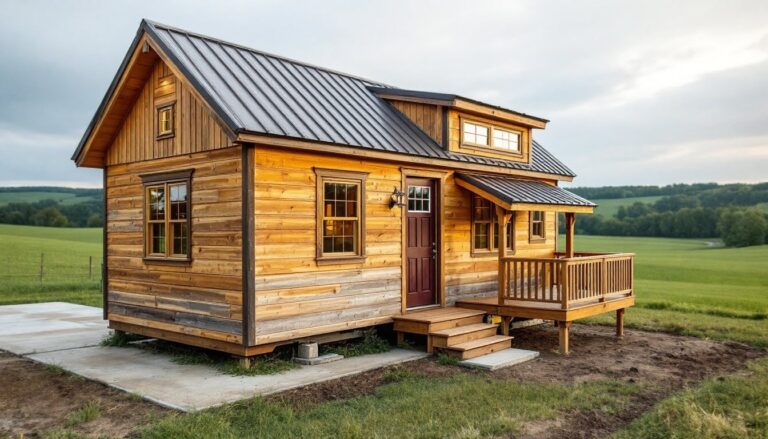
A tiny home is a residential structure that typically measures between 100 and 400 square feet. Some definitions stretch this to 600 square feet, but most enthusiasts agree that anything under 400 qualifies as “tiny.”
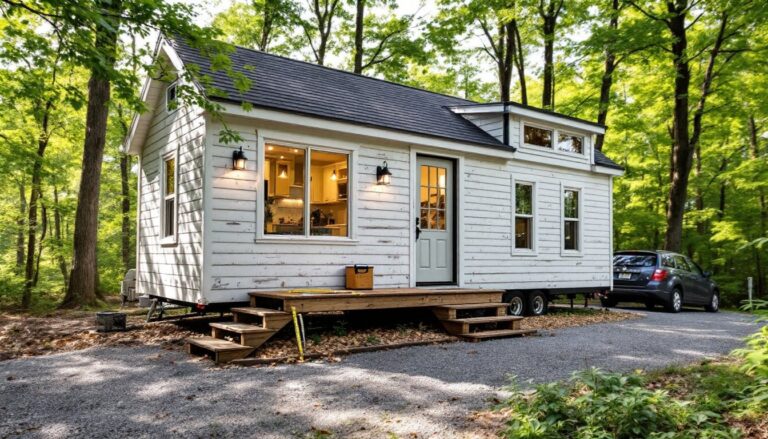
Tiny homes come in two main categories: those built on foundations and those constructed on trailers. Foundation-based tiny homes function like traditional houses but on a smaller scale. Trailer-based tiny homes offer mobility, allowing owners to relocate without selling their property.
The tiny home concept isn’t entirely new. Small dwellings have existed throughout history, think of cottages, cabins, and studio apartments. But, the modern tiny home movement gained momentum in the early 2000s. Rising housing costs, environmental concerns, and a cultural shift toward minimalism all contributed to its growth.
Today, tiny homes serve various purposes. Some people use them as primary residences. Others build them as guest houses, home offices, or rental properties. The flexibility of tiny homes makes them attractive to diverse groups with different goals and lifestyles.
Benefits of Living in a Tiny Home
The appeal of tiny homes extends beyond their size. These compact structures deliver real advantages that traditional housing often can’t match.
Financial Freedom and Lower Costs
Tiny homes cost significantly less than conventional houses. The average tiny home price ranges from $30,000 to $60,000 for a professionally built model. DIY builders can reduce this to $10,000-$30,000 depending on materials and finishes.
Monthly expenses drop dramatically in a tiny home. Utility bills typically run $50-$100 per month, a fraction of what larger homes require. Property taxes decrease with smaller footprints. Insurance costs less. And many tiny home owners eliminate mortgage payments entirely by paying cash upfront.
This financial breathing room creates options. People redirect money toward travel, investments, early retirement, or simply enjoying life without constant financial stress. A 2023 survey found that 68% of tiny home owners have no mortgage compared to just 29% of traditional homeowners.
Environmental Impact and Sustainability
Tiny homes leave a smaller environmental footprint by design. Less square footage means less energy consumption for heating and cooling. Many tiny home owners install solar panels, composting toilets, and rainwater collection systems to further reduce their impact.
Construction waste decreases significantly with tiny homes. A traditional 2,500-square-foot house generates about 8,000 pounds of waste during construction. A tiny home produces a fraction of that amount.
The materials themselves tell a story too. Many builders use reclaimed wood, recycled materials, and sustainable alternatives. The limited space encourages owners to buy less stuff overall, reducing consumption patterns that drive environmental damage.
Types of Tiny Homes to Consider
Not all tiny homes look alike. The market offers several distinct styles, each with unique characteristics.
Tiny Houses on Wheels (THOWs) remain the most popular option. These trailer-based structures can move from location to location. They bypass certain zoning restrictions that apply to permanent structures. Most THOWs measure 8.5 feet wide to comply with road regulations.
Container Homes repurpose shipping containers into living spaces. Standard containers measure 20 or 40 feet long. They’re durable, stackable, and increasingly affordable as surplus containers flood the market. Container homes work well in modern and industrial design schemes.
Prefab Tiny Homes arrive partially or fully constructed from factories. This option saves time and often money compared to custom builds. Companies like Escape Homes, Tumbleweed, and BOXABL offer various models at different price points.
Converted Structures transform buses, vans, sheds, or other buildings into tiny homes. “Skoolies” (converted school buses) have developed their own subculture. These conversions appeal to creative types who want something truly unique.
Accessory Dwelling Units (ADUs) are tiny homes built on existing residential lots. Many cities have relaxed ADU regulations in recent years. These structures provide housing options while generating rental income for property owners.
Challenges and Considerations Before Going Tiny
Tiny home living isn’t perfect for everyone. Several practical challenges deserve serious consideration before making the switch.
Zoning and Legal Issues create headaches in many areas. Some municipalities don’t recognize tiny homes as legal dwellings. Others impose minimum square footage requirements that disqualify most tiny structures. Prospective owners must research local building codes, zoning laws, and parking regulations before investing.
Space Limitations affect daily life in ways people don’t always anticipate. Storage requires creativity and constant management. Hosting guests becomes difficult. Working from home in 200 square feet tests anyone’s patience. Couples and families face amplified tension when personal space disappears.
Financing Difficulties surprise many buyers. Traditional mortgages rarely apply to tiny homes, especially those on wheels. Personal loans, RV loans, and manufacturer financing exist but often carry higher interest rates. Lenders view tiny homes as risky investments.
Resale Uncertainty concerns some owners. The tiny home market remains relatively small. Finding buyers in specific locations can take time. Depreciation patterns differ from traditional real estate, and mobile tiny homes may lose value faster than foundation-based structures.
Climate Considerations matter more in small spaces. Heating and cooling work differently in tiny homes. Extreme temperatures challenge even well-insulated structures. Moisture management requires attention to prevent mold and mildew problems.