Table of Contents
ToggleThis tiny homes guide covers the essentials for anyone considering a smaller way of living. Tiny homes have grown from a niche curiosity into a legitimate housing option. In 2024, the tiny home market reached $5.6 billion globally, and it continues to expand. But downsizing isn’t just about square footage. It’s a lifestyle shift that requires planning, research, and honest self-assessment. This guide breaks down what tiny homes are, their benefits, the different types available, and the critical factors to consider before making the move.
Key Takeaways
- Tiny homes range from 100 to 400 square feet and cost between $30,000 and $60,000—a fraction of traditional home prices.
- This tiny homes guide highlights six main types: tiny houses on wheels (THOWs), foundation-built homes, container homes, prefab/modular units, ADUs, and converted structures.
- Financial benefits include lower utility bills, reduced property taxes, and the possibility of mortgage-free living.
- Zoning laws and building codes are the biggest legal challenges—always research local regulations before buying land or a tiny home.
- Climate, resale value, and financing options should factor into your planning since traditional mortgages rarely apply to tiny homes.
- Tiny home communities offer a practical solution to zoning restrictions with pre-approved lots and shared amenities.
What Is a Tiny Home?
A tiny home is a residential structure that typically measures between 100 and 400 square feet. Some definitions stretch this to 600 square feet, but most tiny home enthusiasts stick to the smaller range. These compact dwellings can be stationary or mobile, professionally built or DIY projects.
The tiny home movement started gaining momentum in the early 2000s. Environmental concerns, rising housing costs, and a cultural push toward minimalism all fueled interest. Today, tiny homes serve various purposes, primary residences, vacation retreats, guest houses, and home offices.
What separates a tiny home from a small apartment? Intent and design. Tiny homes maximize every inch through creative storage solutions, multi-functional furniture, and vertical space usage. A well-designed tiny home doesn’t feel cramped. It feels efficient.
Most tiny homes include the basics: a kitchen, bathroom, sleeping area, and living space. Some feature full-sized appliances. Others use compact or combination units. The layout depends on the owner’s priorities and the home’s intended use.
Benefits of Living in a Tiny Home
The financial advantages of tiny home living attract many first-time buyers. The average tiny home costs between $30,000 and $60,000, a fraction of the median U.S. home price, which exceeded $400,000 in 2024. Lower purchase prices mean smaller mortgages or, in many cases, no mortgage at all.
Monthly expenses drop significantly too. Utility bills shrink when there’s less space to heat, cool, and light. Property taxes decrease with a smaller footprint. Maintenance costs stay low because there’s simply less to maintain.
Environmental benefits matter to many tiny home buyers. Smaller spaces require fewer building materials. They consume less energy. Many tiny home owners add solar panels and composting toilets to reduce their environmental impact further.
Tiny homes also offer freedom. Mobile tiny homes can travel. Stationary ones still provide flexibility, they’re easier to sell or relocate than traditional houses. For people who value experiences over possessions, this lifestyle makes sense.
There’s a psychological component too. Less space means fewer belongings. Fewer belongings mean less time cleaning, organizing, and managing stuff. Many tiny home residents report feeling less stressed and more focused on what actually matters to them.
That said, tiny home living isn’t for everyone. Couples need to communicate well in close quarters. Families with children face space constraints. People who work from home need dedicated areas. Honest evaluation of daily habits and needs is essential before committing.
Types of Tiny Homes to Consider
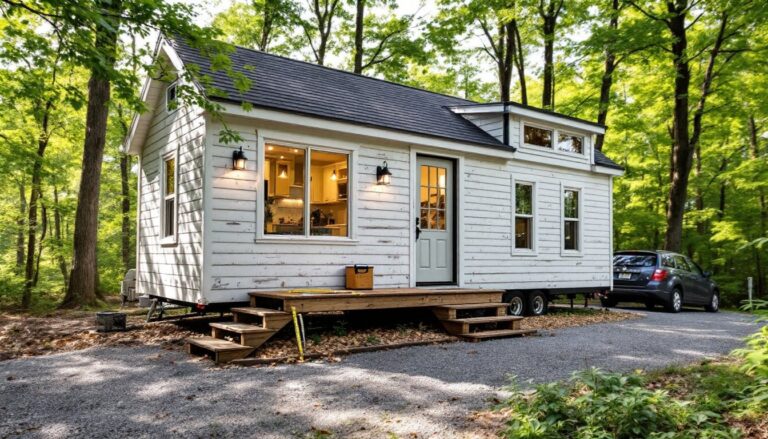
Tiny Houses on Wheels (THOWs) remain the most recognized type. These structures sit on trailers, making them mobile and often easier to permit than permanent structures. THOWs typically range from 100 to 300 square feet. They work well for people who want flexibility or live in areas with restrictive building codes.
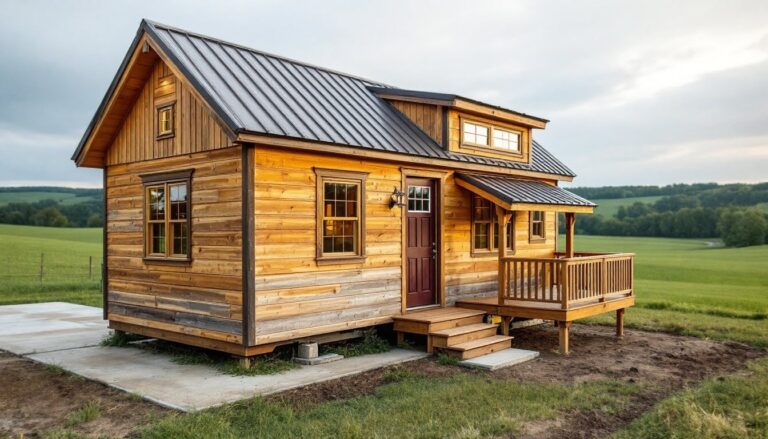
Foundation-Built Tiny Homes are permanent structures on concrete foundations. They follow standard building codes and zoning regulations. These homes often qualify for traditional mortgages and may appreciate in value like conventional real estate. They’re a solid choice for buyers who want stability and a long-term investment.
Container Homes use repurposed shipping containers as their base structure. A single 20-foot container provides about 160 square feet: a 40-foot container offers roughly 320 square feet. Container homes are durable, often cheaper than traditional construction, and have a distinctive industrial aesthetic.
Prefab and Modular Tiny Homes come factory-built and arrive at the site ready for installation. Companies like Escape, Tumbleweed, and Boxabl offer various models. Prefab options save construction time and often include warranties. They’re ideal for buyers who want quality without managing a build process.
Accessory Dwelling Units (ADUs) are small structures built on existing residential properties. They might serve as rental units, guest houses, or homes for aging parents. Many cities have relaxed ADU regulations in recent years, making this option increasingly accessible.
Converted Structures include school buses (skoolies), vans, RVs, and even garden sheds transformed into living spaces. These options typically cost less but require more hands-on work. They appeal to creative DIYers willing to customize their space.
Key Factors Before Buying or Building
Budget planning should come first. The purchase price is just the beginning. Factor in land costs (if buying property), utility hookups, site preparation, insurance, and ongoing maintenance. A tiny home that costs $40,000 to build might require another $20,000 or more for land and setup.
Location determines much of the tiny home experience. Rural areas generally offer more flexibility for tiny home placement. Urban and suburban areas have stricter regulations but better access to amenities. Research specific areas thoroughly before committing.
Climate affects design choices. Cold regions need better insulation and heating systems. Hot climates require ventilation and cooling solutions. Coastal areas demand materials that resist salt air and humidity. Match the home to its intended environment.
Resale considerations matter even if selling seems far off. Tiny homes on foundations hold value better than mobile options. Custom builds may appeal to fewer buyers than standard models. Think about exit strategies during the planning phase.
Financing can be tricky. Traditional mortgages rarely apply to tiny homes, especially mobile ones. Personal loans, RV loans, and specialized tiny home lenders fill the gap. Interest rates and terms vary widely, so comparison shopping pays off.
Zoning Laws and Legal Considerations
Zoning laws present the biggest challenge for many tiny home buyers. Minimum square footage requirements exist in many municipalities. Some areas prohibit full-time occupancy of structures below certain sizes. Others ban tiny houses on wheels entirely.
Building codes add another layer. Foundation-built tiny homes must meet local building standards. THOWs often fall under RV classifications, which brings its own set of rules, including where they can be parked and for how long.
Research local regulations before purchasing land or a tiny home. Contact the local zoning office directly. Ask specific questions about your intended setup. Some buyers have discovered too late that their dream location doesn’t allow their dream home.
Permit requirements vary by structure type and location. Foundation homes need building permits. ADUs require approval processes. Even placing a THOW on private property may need permits depending on local rules.
Tiny home communities offer one solution to zoning challenges. These developments have already secured necessary approvals. Residents own or rent their tiny home and pay lot fees. Communities exist across the country, from Texas to Oregon to Florida.