Table of Contents
ToggleTiny homes techniques have changed how people think about residential construction. These methods squeeze maximum function into minimum square footage. Builders and homeowners now use clever strategies to create comfortable, efficient living spaces under 400 square feet.
The tiny home movement continues to grow in 2025. More people want affordable housing options that reduce environmental impact. Smart building methods make this possible. This guide covers the essential tiny homes techniques that professionals and DIY builders use to create functional small spaces.
Key Takeaways
- Tiny homes techniques maximize function in spaces under 400 square feet through vertical design, lofted sleeping areas, and strategic window placement.
- Multi-functional furniture like Murphy beds, fold-down tables, and storage stairs are essential for making small spaces livable and clutter-free.
- Sustainable materials such as SIPs, reclaimed wood, and metal roofing reduce environmental impact while improving energy efficiency in tiny homes.
- Wet bath designs combine the shower, toilet, and sink in one waterproof room, saving significant square footage compared to traditional layouts.
- Smart storage solutions—including under-floor compartments, ceiling-mounted systems, and vacuum-seal bags—turn every inch into usable space.
- Going digital by using e-readers, streaming services, and cloud storage eliminates the need for physical items and frees up precious living area.
Space-Saving Construction Strategies
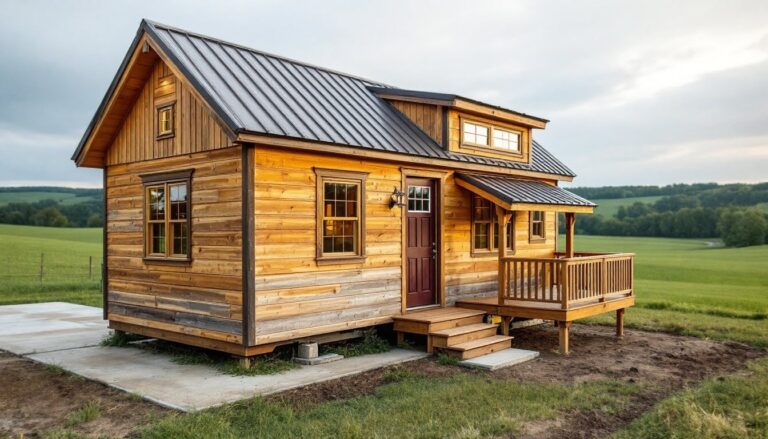
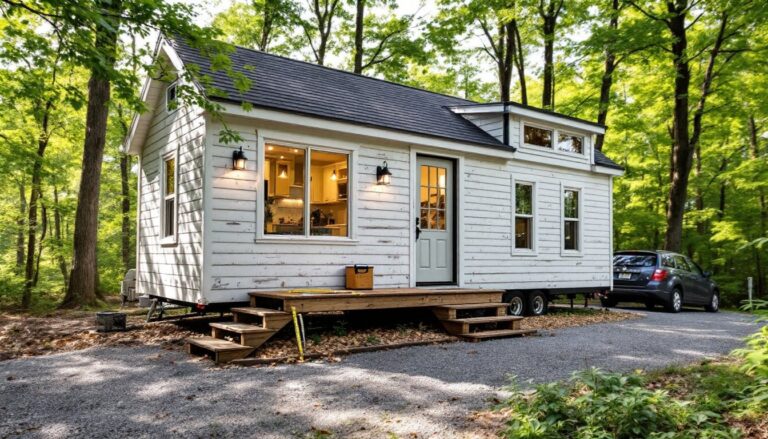
Space-saving construction starts with the building’s foundation. Many tiny homes use trailer bases for mobility. Others sit on concrete slabs or pier foundations. Each option affects the final interior layout and height restrictions.
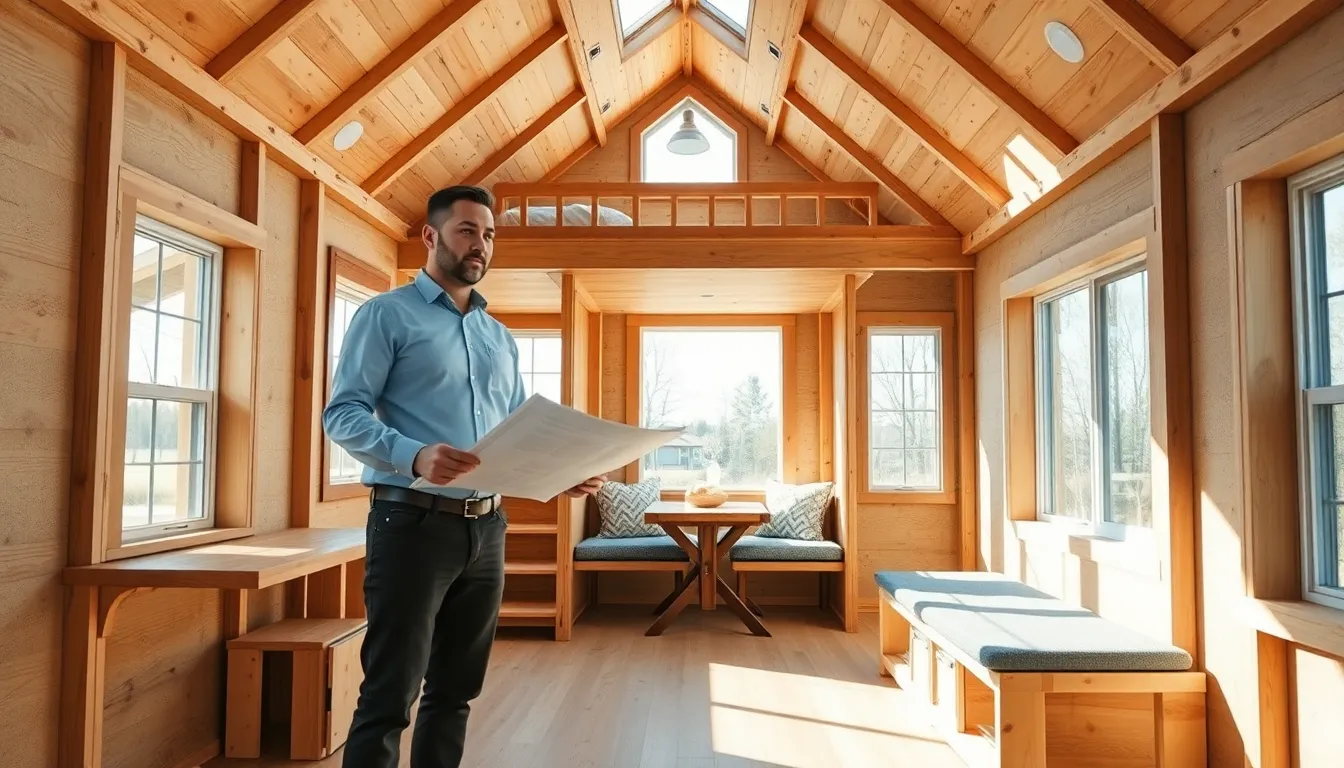
Vertical space matters more than floor space in tiny construction. Builders install lofted sleeping areas to free up the main floor for living activities. These lofts typically measure 4 to 5 feet in height. They work well for bedrooms but require sturdy ladder or stair access.
Wall thickness plays a critical role in tiny homes techniques. Standard 2×6 framing eats into precious interior space. Some builders switch to 2×4 construction with spray foam insulation. This swap can add 4 to 6 inches of usable width across the entire home.
Strategic window placement creates the illusion of larger spaces. Clerestory windows near the roofline bring in natural light without sacrificing wall space. Large windows on opposite walls allow sight lines that extend beyond the interior. This visual trick makes 200 square feet feel much bigger.
Floor plan efficiency depends on traffic flow patterns. Professional tiny home designers eliminate hallways whenever possible. They position doors and openings to serve multiple purposes. A bathroom door might open into the living area rather than requiring a dedicated corridor.
Multi-Functional Design Elements
Multi-functional furniture defines successful tiny homes techniques. A dining table that folds flat against the wall becomes a workspace during the day. The same piece might fold down from the wall to serve as a guest bed at night.
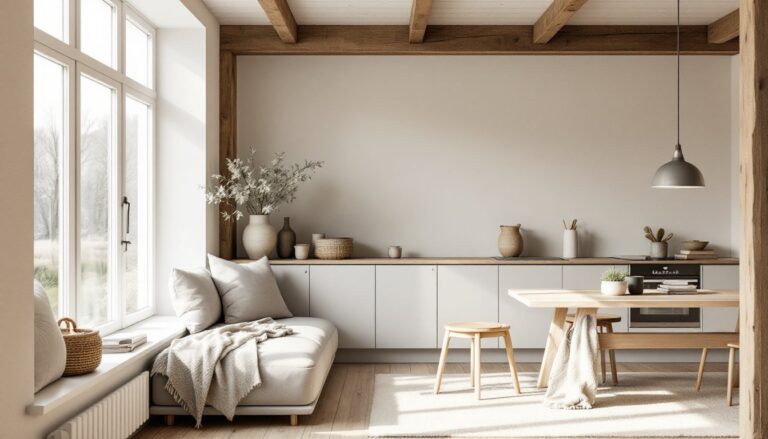
Built-in seating with storage underneath solves two problems at once. Window benches provide seating, storage, and architectural interest. They cost less than buying separate furniture pieces and custom fit the space exactly.
Stairs in tiny homes often double as storage units. Each step becomes a drawer or cabinet. This approach transforms dead space into valuable storage. Some builders create pull-out pantries hidden within stair structures.
Murphy beds remain popular tiny homes techniques for good reason. Modern versions include attached desks, shelving, or sofas. The bed disappears during waking hours. Residents gain a full living room where the bedroom once stood.
Kitchen design requires creative thinking in small spaces. Cutting boards that cover sinks extend counter space when needed. Fold-down tables attached to walls provide prep areas. Magnetic knife strips and hanging pot racks keep tools accessible without using drawer space.
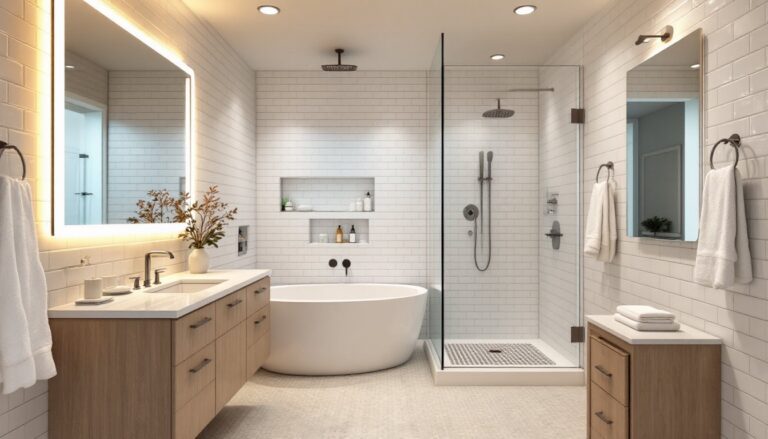
Bathrooms benefit from wet bath designs. These waterproof rooms combine the shower, toilet, and sink in one compact area. The entire bathroom functions as a shower stall. This tiny homes technique saves significant square footage compared to traditional layouts.
Sustainable Building Materials and Methods
Sustainable materials reduce both environmental impact and long-term costs. Reclaimed wood gives tiny homes character while keeping lumber out of landfills. Builders source old barn wood, factory flooring, and demolished building materials for unique finishes.
Structural insulated panels (SIPs) offer excellent insulation in thin profiles. These prefabricated panels combine structure and insulation in one product. They install faster than traditional framing. SIPs create tight building envelopes that reduce heating and cooling needs.
Metal roofing lasts 50+ years compared to 20 years for asphalt shingles. The higher upfront cost pays off in longevity. Metal roofs also collect rainwater more efficiently for off-grid tiny homes techniques.
Cork flooring provides natural insulation and sound dampening. It comes from renewable bark harvesting that doesn’t harm trees. Cork resists mold and mildew, important qualities in compact spaces with limited ventilation.
Solar panel integration starts during the design phase. Roof angles optimize for local sun exposure. Electrical systems accommodate battery storage and inverters. Many tiny home builders now include solar as a standard tiny homes technique rather than an add-on.
Low-VOC paints and finishes improve indoor air quality. Small spaces concentrate airborne chemicals more than larger homes. Non-toxic finishes matter more when residents live in 300 square feet instead of 2,000.
Storage Solutions for Tiny Living
Storage planning determines whether tiny living feels cramped or comfortable. Every wall, floor, and ceiling should serve a storage function. Professional tiny home builders think in three dimensions.
Under-floor storage works well on trailer-based tiny homes. The space between floor joists holds seasonal items, tools, and bulk supplies. Access hatches in the floor make retrieval simple. This tiny homes technique adds dozens of cubic feet without affecting living space.
Ceiling-mounted storage keeps items accessible but out of the way. Hanging bike hoists, overhead nets, and suspended shelving use air space that would otherwise go empty. Lightweight items work best for ceiling storage.
Door-mounted organizers multiply storage capacity without taking floor space. Shoe racks, spice holders, and bathroom organizers attach to the backs of doors. Even cabinet doors can hold additional items on their interior faces.
Vacuum-seal bags compress clothing, bedding, and soft goods by 75%. This tiny homes technique makes seasonal rotation practical. Winter coats shrink to a fraction of their normal size during summer months.
Digital solutions reduce physical storage needs entirely. E-readers replace bookshelves. Streaming services eliminate DVD collections. Cloud storage removes the need for filing cabinets. Smart tiny home residents digitize whatever they can.